Every year, dozens of volunteers travel to Jaipur, India, to help with educational projects that aim to expand opportunities for children and young people. Teaching English is one of the most direct ways to contribute to their future, since mastering this language can open doors to better studies, jobs, and development opportunities.
India has no single official national language. At the central government level, the official languages are Hindi and English, while the Constitution also recognizes 22 official or “scheduled” languages used across different states.
The number of people able to communicate in English is around 125-130 million, roughly 9-10% of India’s population. Yet English has far greater influence than that percentage suggests:
- It’s the usual language of higher education.
- It’s widely used in business, technology, public administration, and the justice system.
- It serves as a common language between people who speak different regional languages.
Although Hindi is the most widely spoken language in India, English plays a fundamental role in education, business, and job opportunities, which makes learning it a key tool for many students’ futures.
But beyond the classes and the books, this experience becomes a journey of personal growth that’s hard to forget. Here’s what our experience was like volunteering as English teachers in Jaipur.
Why decide to go to India?
We hear from many people who want to do international volunteering, looking for an experience that lets them discover a different culture while contributing something useful to a community.
When they discover the English teaching project in Jaipur, they feel they’ve found the perfect fit. English is a fundamental tool for the future of many children in India, and knowing they can help improve their educational and professional prospects is a huge motivation.
India has also always fascinated people with its cultural diversity, its traditions, and the energy of its cities. These volunteers wanted to step out of their comfort zone and live an authentic experience that would help them grow both personally and professionally.
The first day at the project
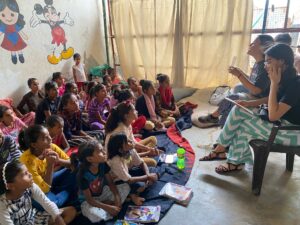
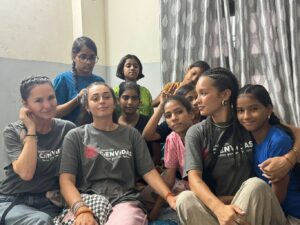
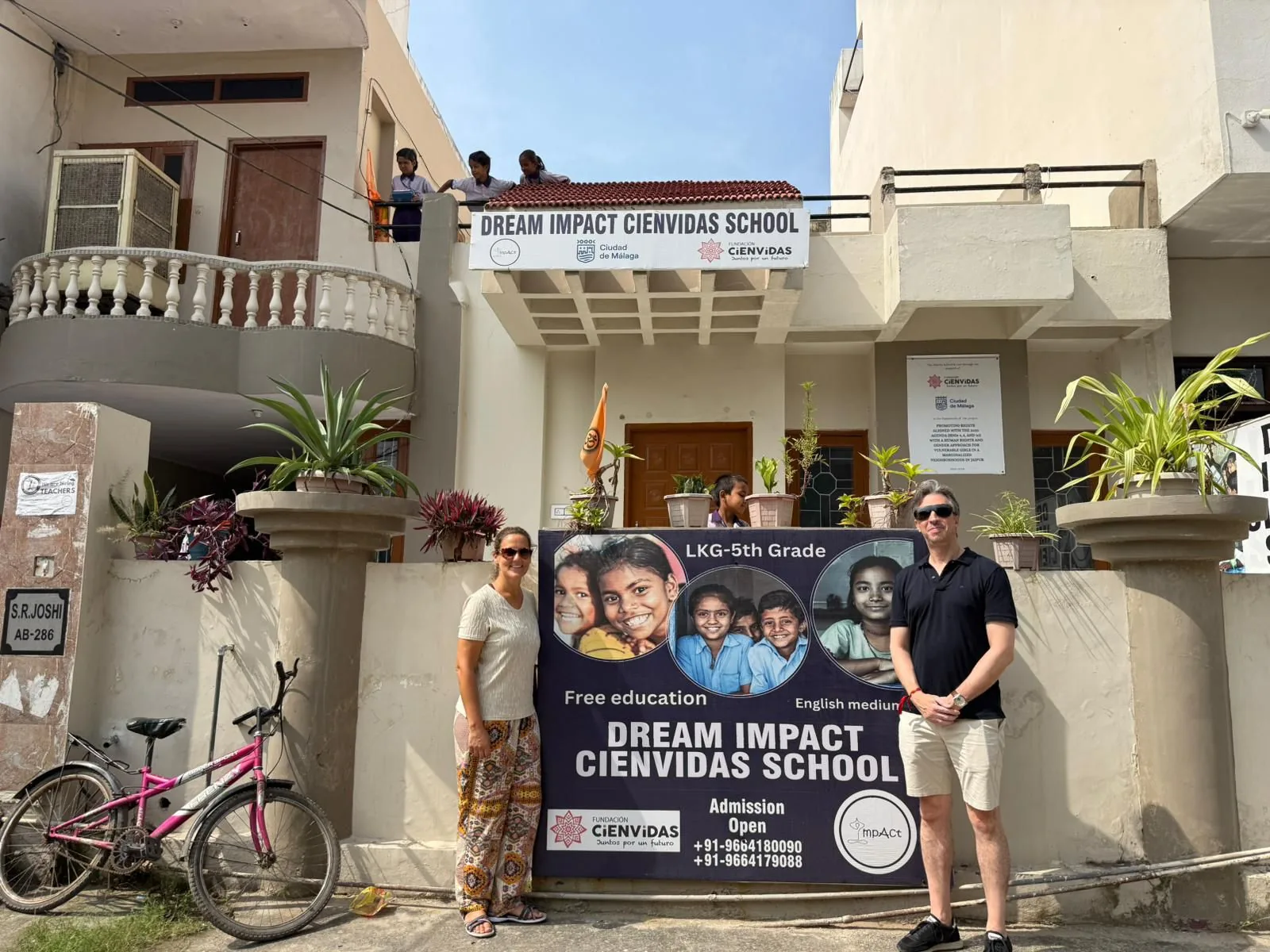
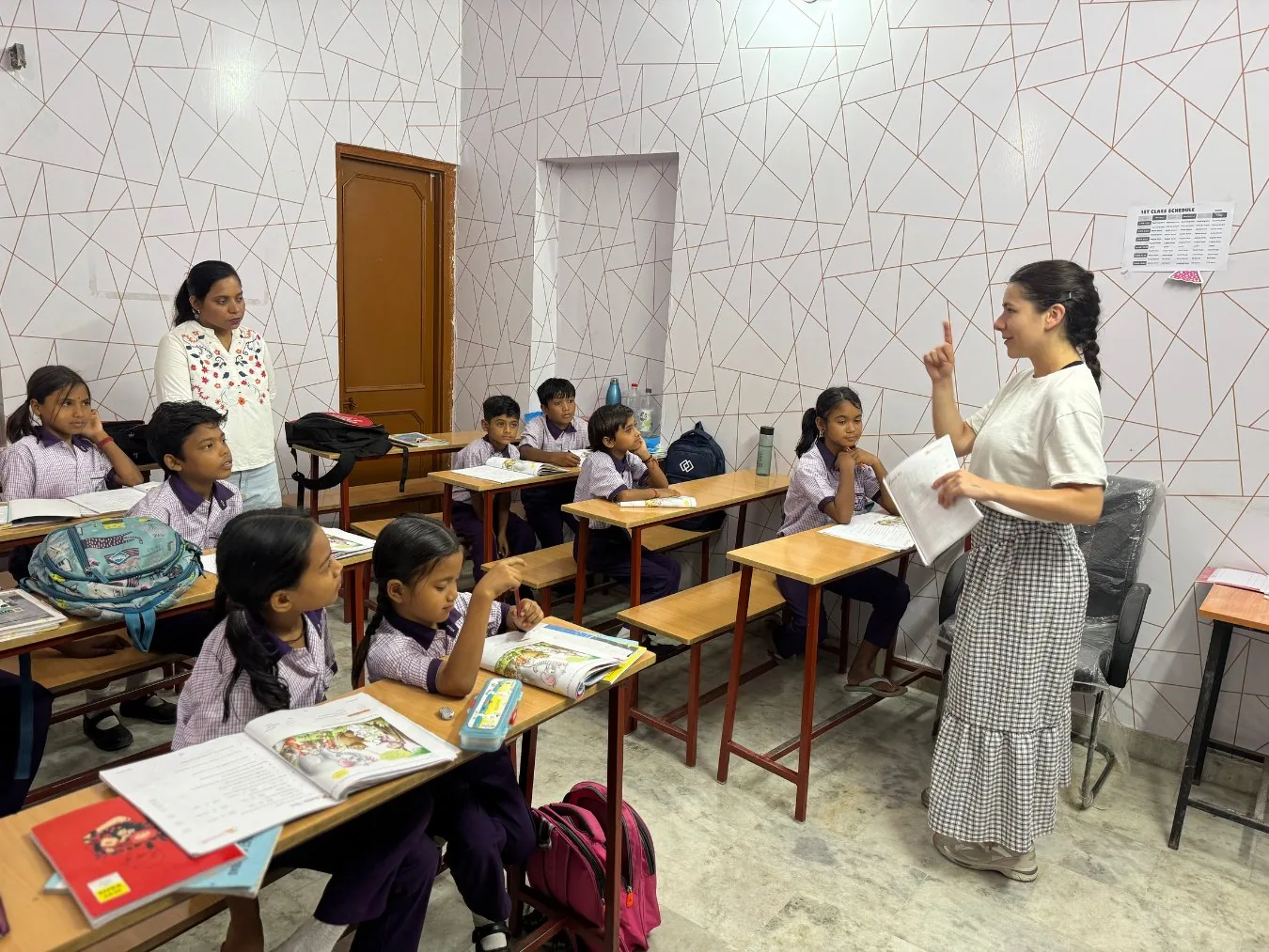
The first day at the Dream Impact CiENViDAS School is full of excitement and nerves. After an orientation on how the project works, volunteers meet the local teachers and the students they’ll be working with.
The welcome is much warmer than expected. The children show enormous curiosity and enthusiasm for learning. Although the language barrier seems like a challenge at first, you soon discover that smiles, games, and creativity are universal languages.
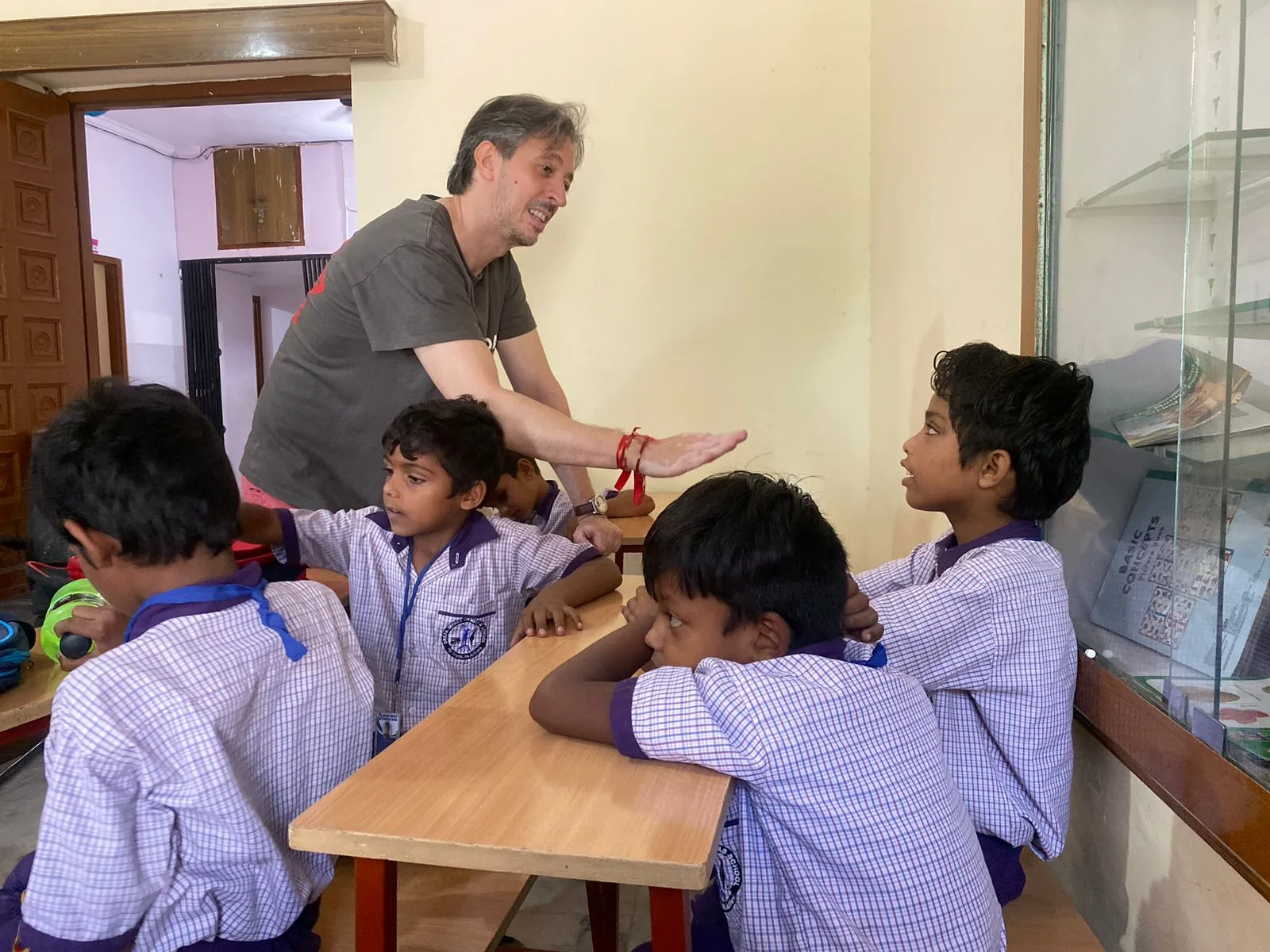
During the first classes, volunteers take time to observe, gauge the students’ level, and understand how they can best adapt to their needs. It’s usually an intense day, full of learning and new emotions.
A typical day
Each day starts early. After breakfast, volunteers head to the school to prepare the day’s activities.
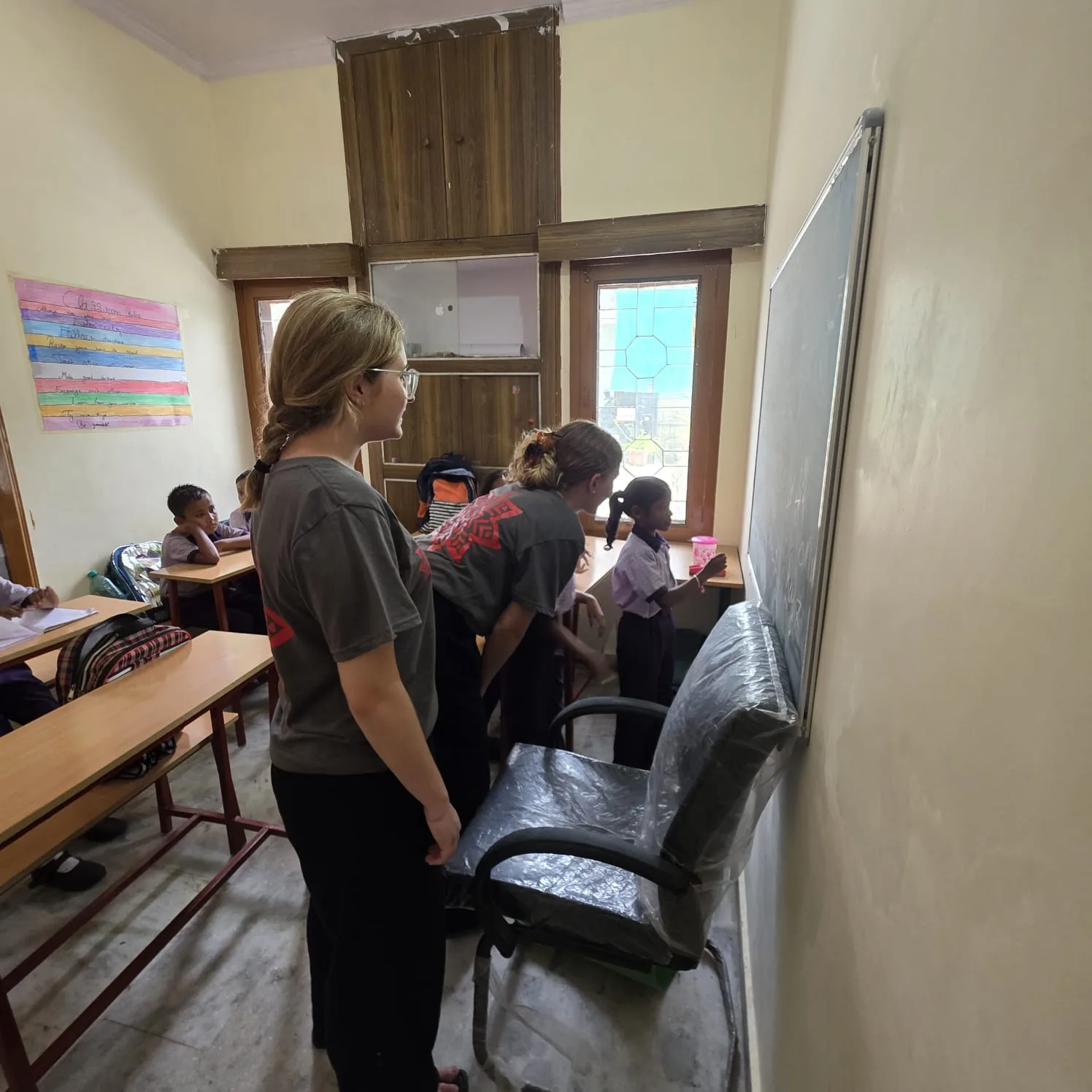
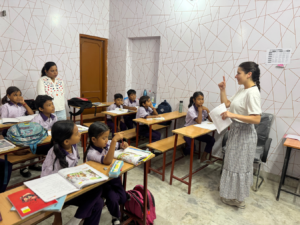
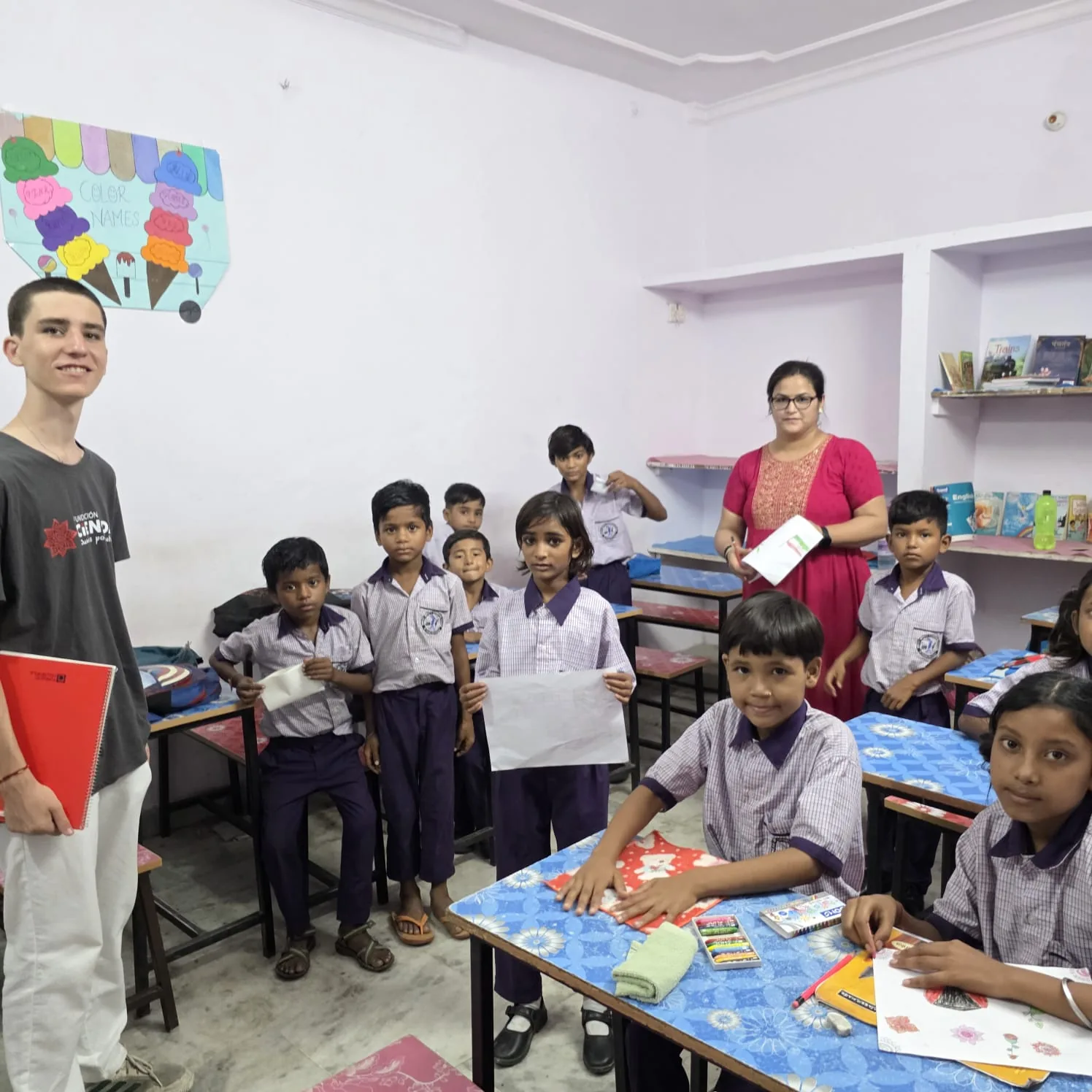
English classes are dynamic and participatory. Songs, games, simple conversations, pronunciation exercises, and group activities are used to encourage learning. The goal isn’t only to teach grammar, but to help students gain confidence communicating in English and lose their fear of doing so in front of new people.
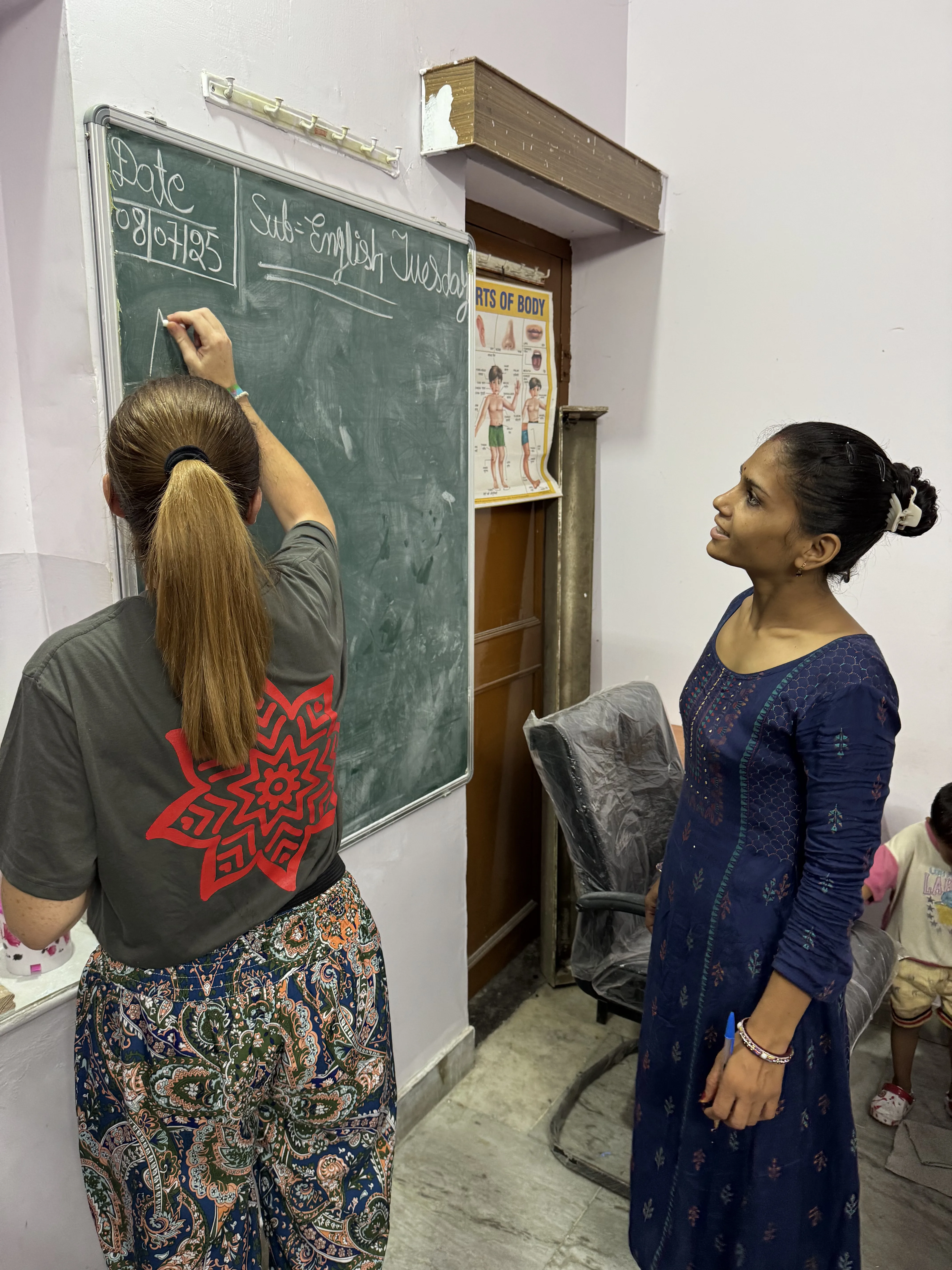
During breaks, it’s common to spend time with the students, hear their stories, and join in recreational activities. These interactions are just as enriching as the classes themselves.
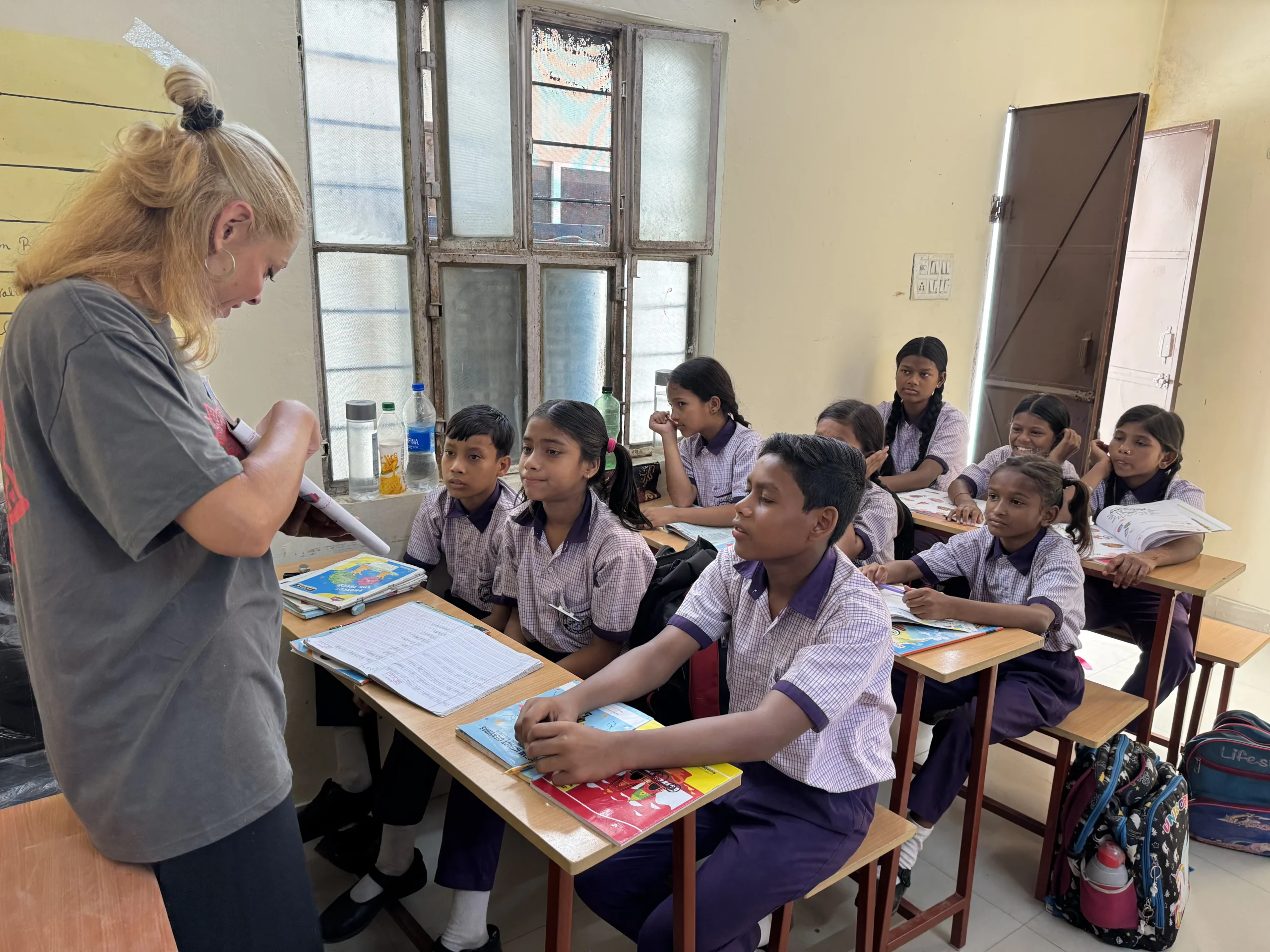
In the afternoons, many volunteers take the chance to explore Jaipur, visit its markets, see historic monuments, or share experiences with other international participants.
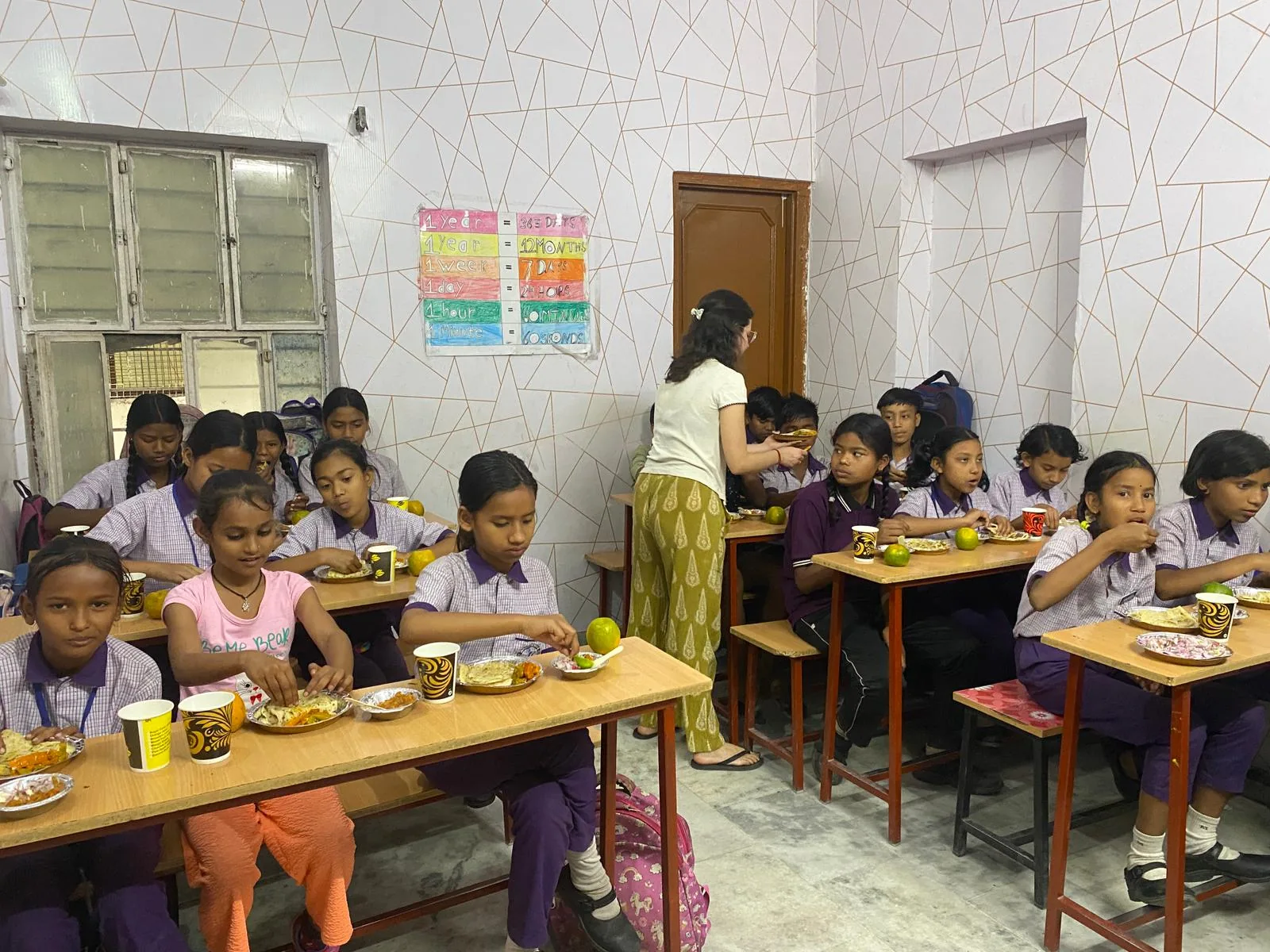
What makes the biggest impression
What’s most striking is the students’ motivation. Despite the resource limitations that may exist in some schools, the children come to class eager to learn and with an extraordinarily positive attitude, full of joy and always with a smile on their faces.
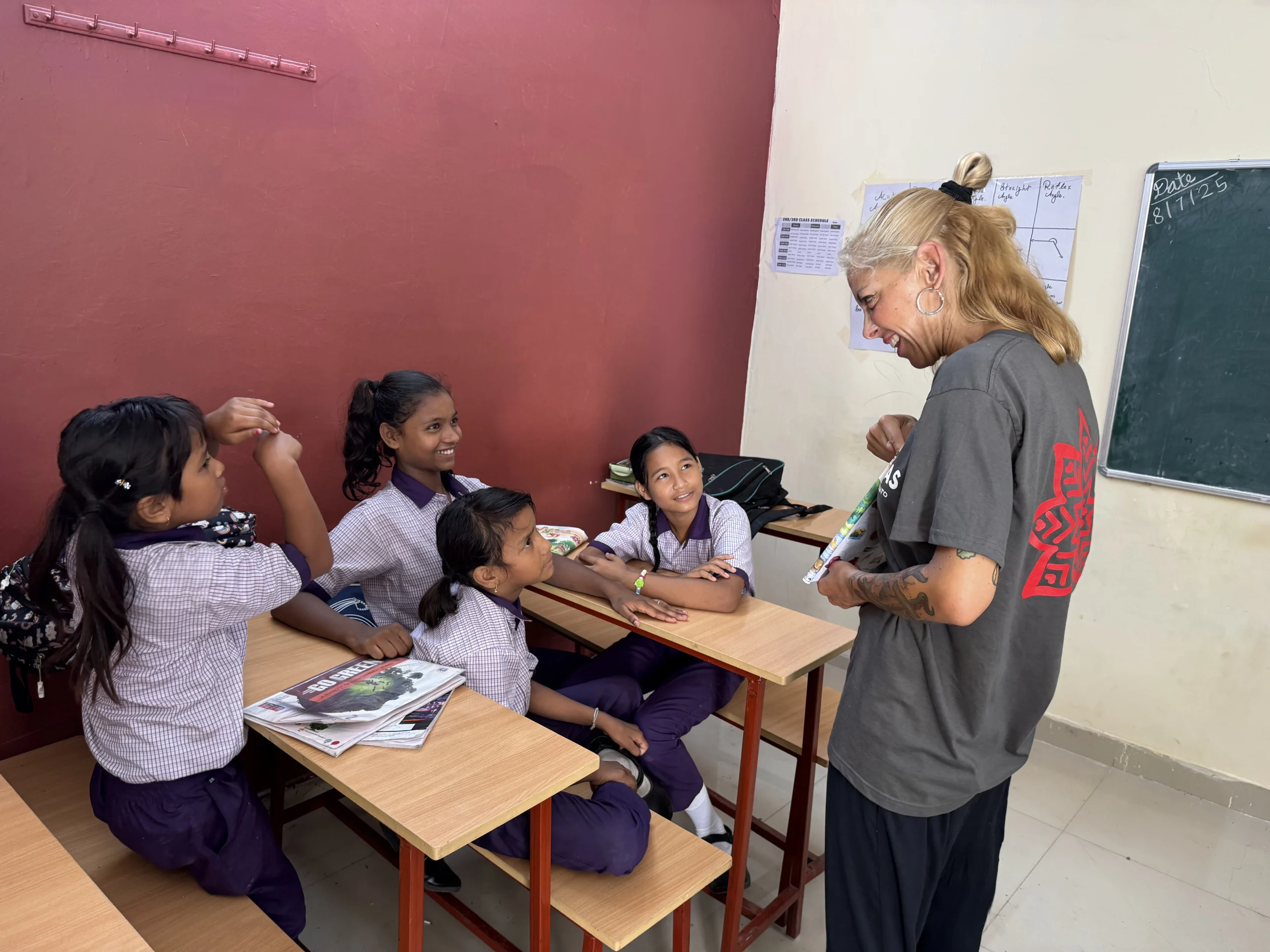
Another thing that often surprises volunteers is the hospitality of the local community. From the very first moment, volunteers feel welcomed and valued. Families, teachers, and coordinators show deep gratitude for the time and effort volunteers put into the project.
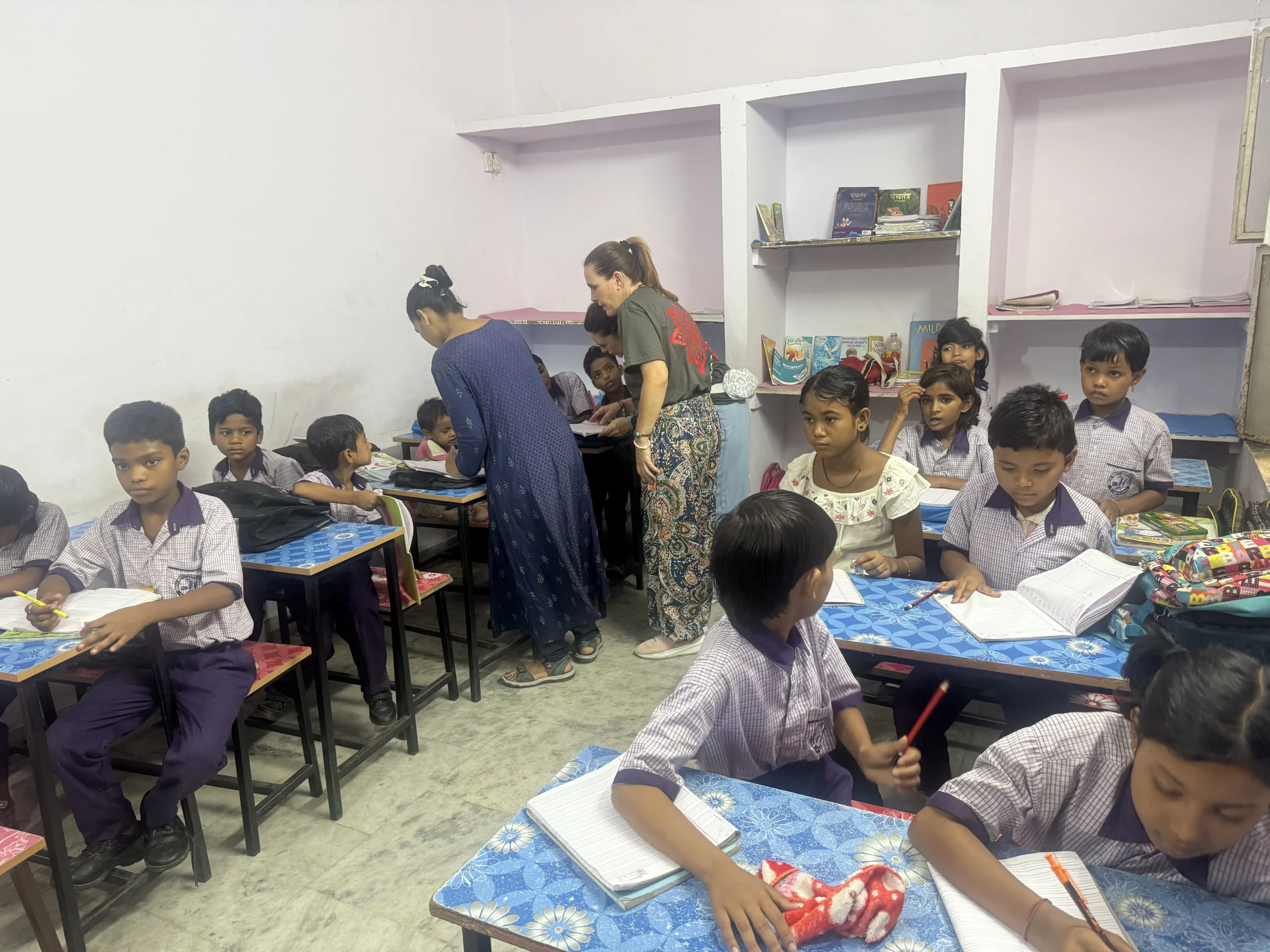
But the greatest impact is understanding how small gestures can bring about meaningful change. A conversation, an explanation, or a word of encouragement can make a real difference in a student’s confidence, self-esteem, and development.
Tips for future volunteers
If you’re thinking about volunteering to teach English in Jaipur, these tips can help:
- Keep an open, flexible attitude.
- Don’t worry if you have no prior teaching experience; motivation and a desire to help are what matter most.
- Prepare dynamic, participatory activities.
- Be patient and adjust your pace to the students’ needs.
- Take the chance to learn about Indian culture.
- Bring comfortable clothing that respects local customs.
- Get involved in the community and build bonds with students and teachers.
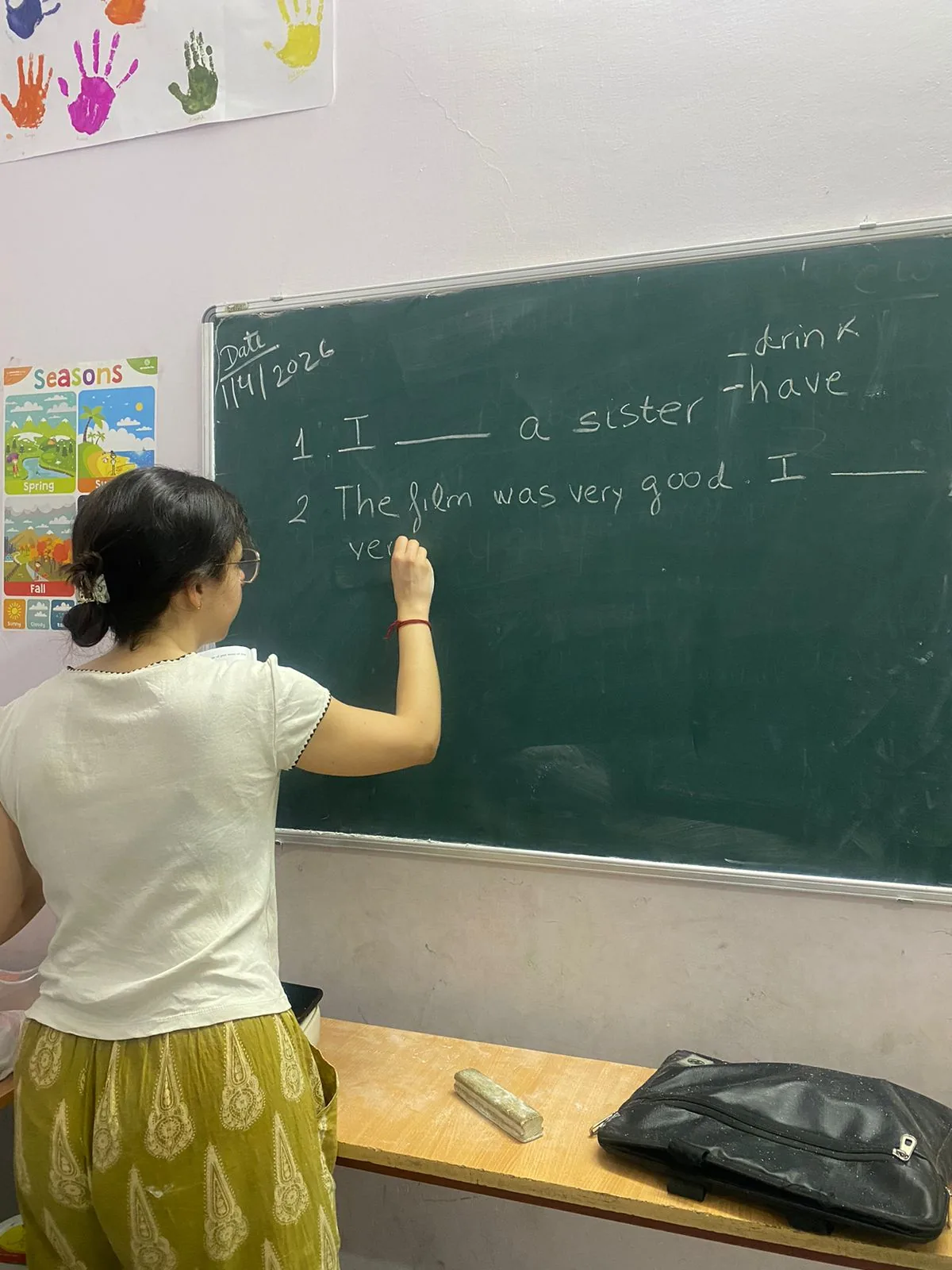
Remember that you won’t just be teaching — you’ll also learn a great deal from the people you meet during your stay.
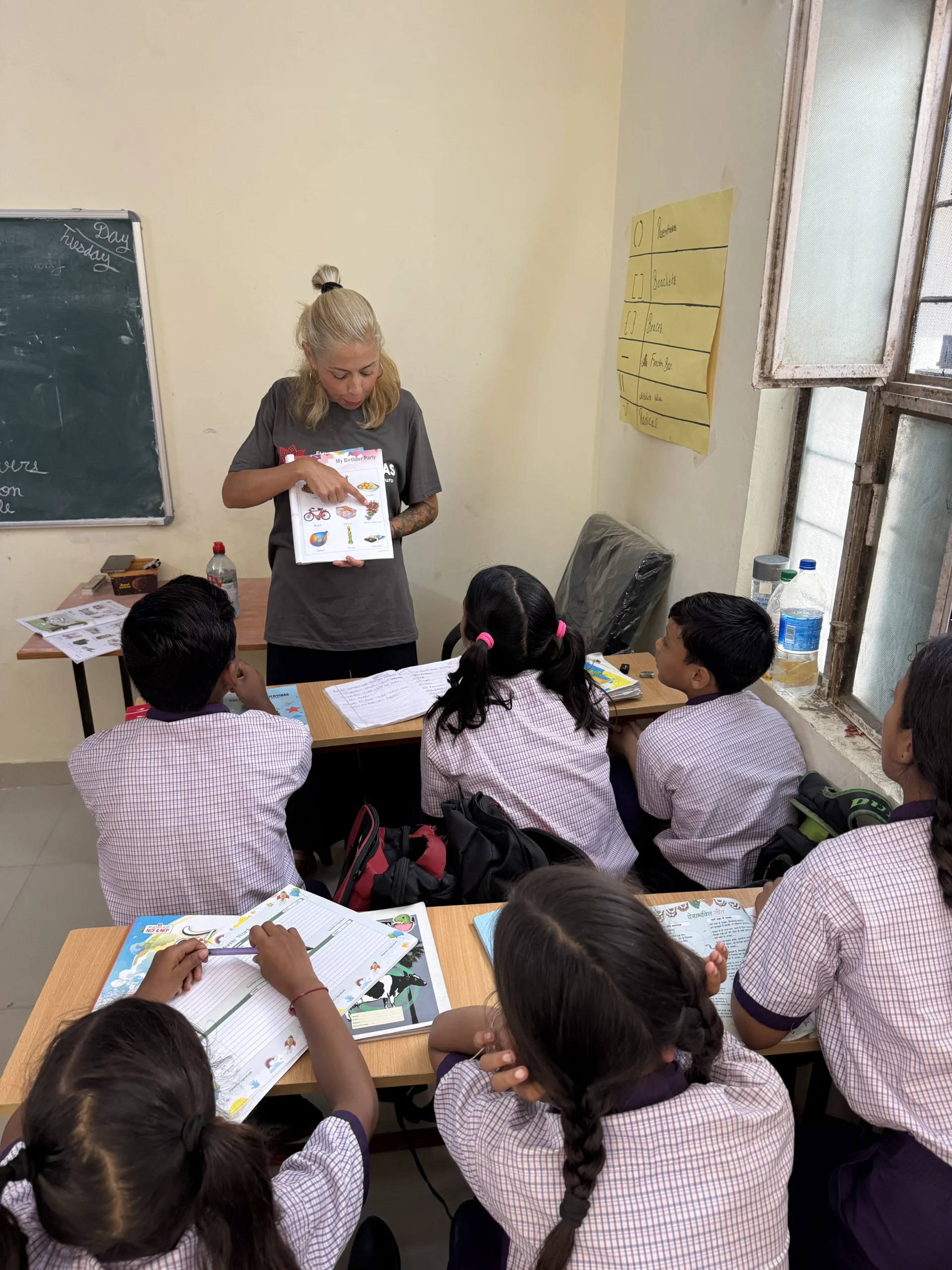
How to sign up
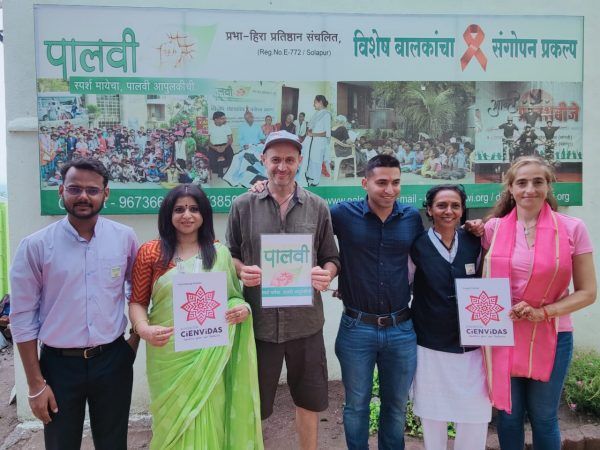
If you’d like to live a similar experience and contribute to the educational development of children and young people in India, you can join CiENViDAS’s volunteer programs in India.
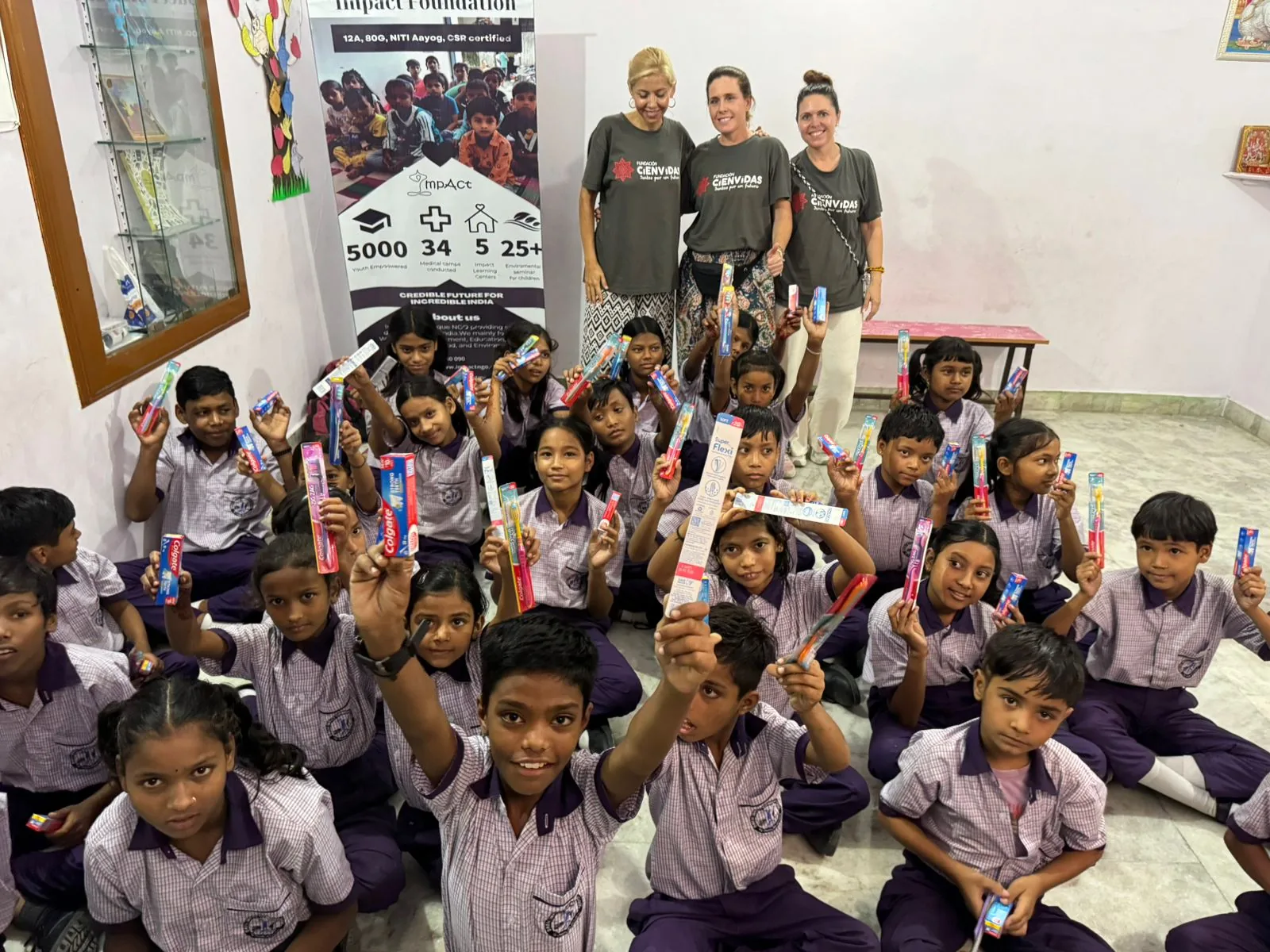
Our team will support you throughout the entire process, from registration to your arrival at the project. You’ll receive pre-trip orientation, local support, and all the information you need to make your experience safe, enriching, and transformative.
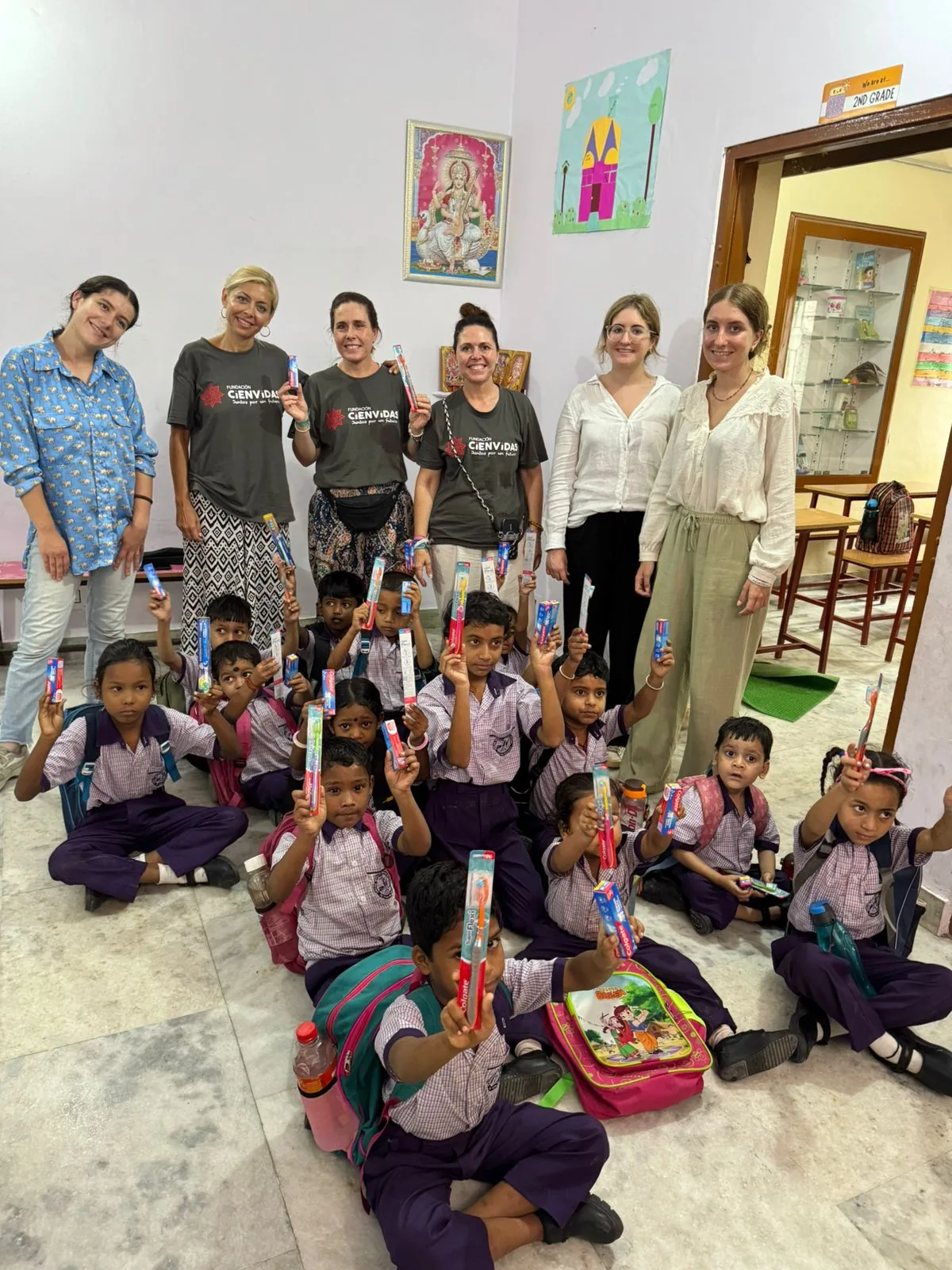
Taking part in international volunteering doesn’t just change the lives of those who receive your help — it changes yours too. Jaipur is waiting with open arms for you to be part of an experience you’ll remember forever.
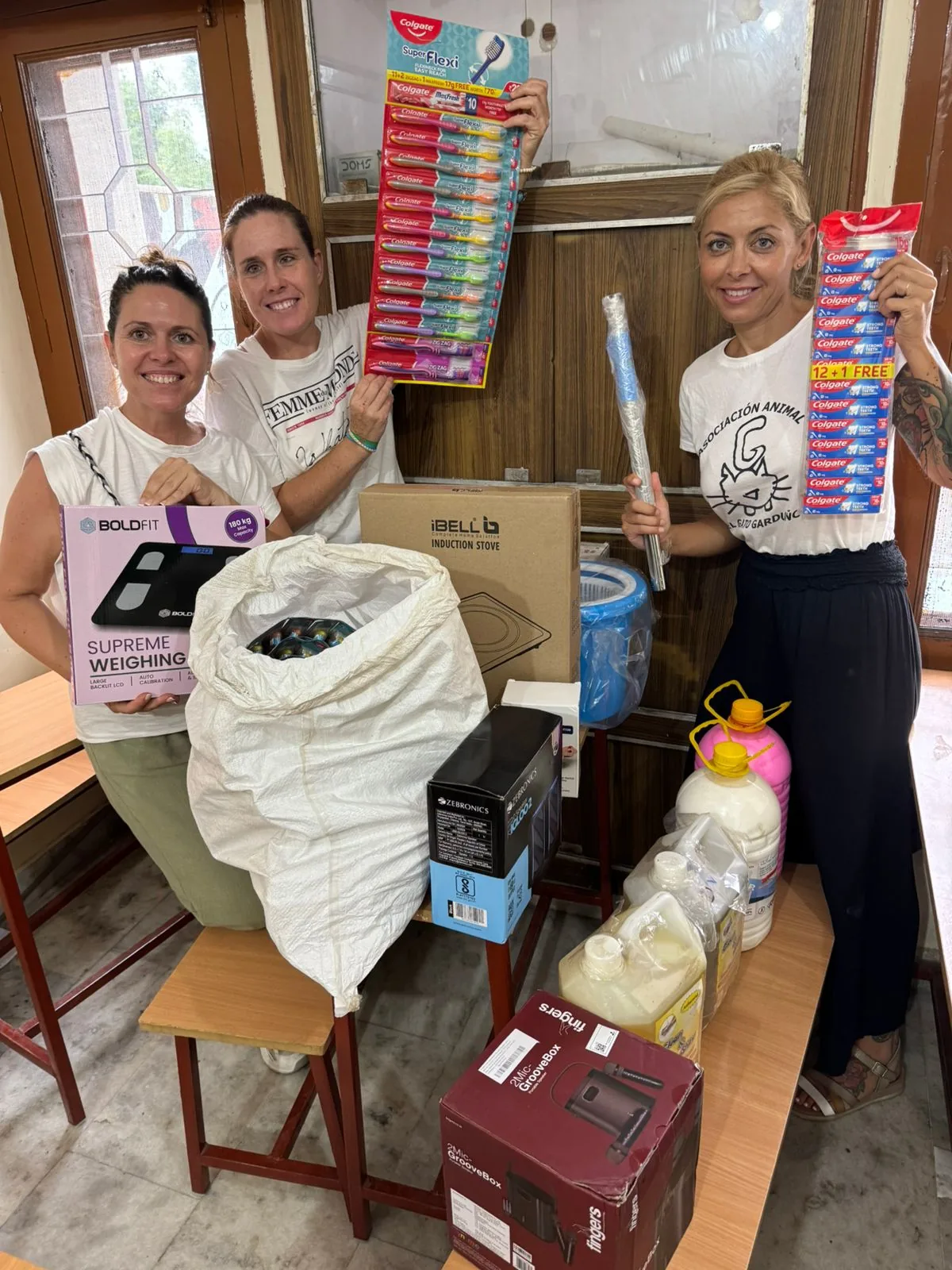
Would you like to teach English in Jaipur and live a one-of-a-kind international volunteer experience? Get in touch with CiENViDAS and discover how you can take part in our upcoming projects in India.