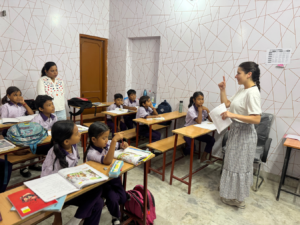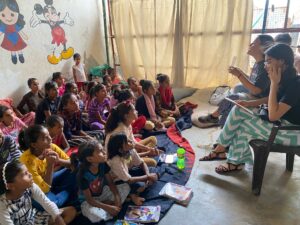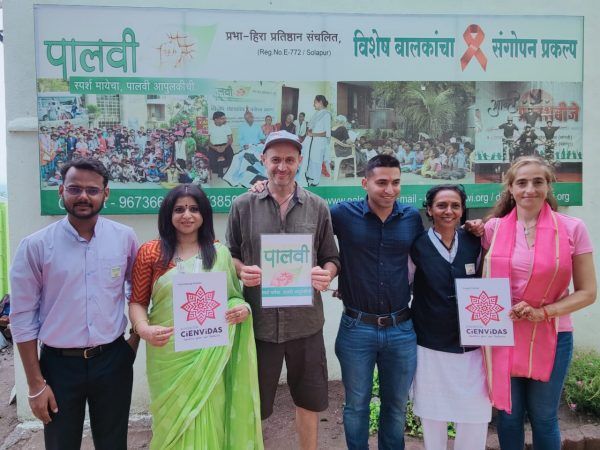
Traveling to India as a volunteer is much more than tourism: it’s a transformative experience that lets you discover a fascinating culture, live alongside local communities, and do your part in social projects with real impact. But before you board the plane, it’s important to organize a few key things so your experience is safe, comfortable, and free of surprises.
In this guide, we’ll tell you everything you need to know to prepare for a volunteer trip to India — from the visa and recommended vaccines to the approximate budget, travel insurance, and some cultural tips that will help you adapt to your destination.

Paperwork: visa and passport
What visa do I need to travel to India as a volunteer?
To travel to India and take part in a volunteer program, you’ll need to apply for a tourist visa (e-visa). The process is completely online and is usually quite simple.
How do you apply for the India e-visa?
The usual process is as follows:
- Go to the official Indian government website to apply for the e-visa.
- Fill out the online form with your personal and travel details.
- Upload a recent photo and a scanned copy of your passport.
- Pay the corresponding fees.
- Wait for visa approval, which usually arrives by email within a few days.
Once approved, you just need to print it or keep it downloaded on your phone to show when you enter the country.
Why a tourist visa and not an NGO visa?
Technically, you’ll be taking part in a travel program that includes cultural activities, excursions, and interactions with the local community.
The “volunteer work” that the Indian embassy refers to for an NGO-type visa involves a different kind of activity and requires far more complex, slow, and specific procedures. For this reason, asking about an NGO visa can cause confusion at the visa office and may even lead to your application being rejected.
That’s why the right visa for these programs is the tourist visa (e-visa).
Valid passport
It’s essential that your passport is valid for travel. We recommend checking it well in advance and making sure it has blank pages and at least six months’ validity from your date of entry into the country.
Recommended vaccines for traveling to India
Are vaccines mandatory?
In general, no vaccine is mandatory to travel to the areas of India where our programs take place. However, vaccination is a personal decision, and from our experience, we recommend protecting yourself against certain risks that are common at the destination.
The most common vaccines are:
- Tetanus-Diphtheria: advisable to avoid complications from cuts or wounds.
- Hepatitis A and B: help prevent diseases common in some international destinations.
- Polio: prevents serious infections that can cause motor paralysis.
- Typhoid fever: especially recommended in places where hygiene conditions or food and water control may be limited.
- Rabies: advised for long-stay travelers or people who will be in contact with animals.
- Cholera: recommended for trips to endemic areas or very basic living conditions.
- Malaria: antimalarial prophylaxis isn’t 100% protective, but it significantly reduces the risk.
Consult a specialist before traveling
We recommend checking your country’s official travel-health service and booking an appointment at your nearest travel clinic for personalized advice. In the United States and Canada, the CDC Travelers’ Health resource is a reliable starting point.
CDC Travelers’ Health – India →
Budget
How much does it cost to prepare a volunteer trip to India?
Your budget can vary depending on the destination, the length of the program, and the project you choose. Still, it’s important to keep a few basic items in mind.
On one hand, there’s a base program contribution, which covers the costs for the two-week stay, accommodation, coordination, and local support.
In addition, there’s a €200 solidarity contribution to the social project, which goes directly toward developing and maintaining the initiatives on the ground.
As a Foundation, we issue a donation certificate for this contribution so you can include it in your tax return (in Spain) and benefit from any applicable tax deductions.
It’s also a good idea to budget for other additional expenses such as:
- Flights
- Medical and travel insurance
- Visa
- Vaccines and preventive medication
- Personal expenses during the trip
What to pack
What should I take to India for a volunteer trip?
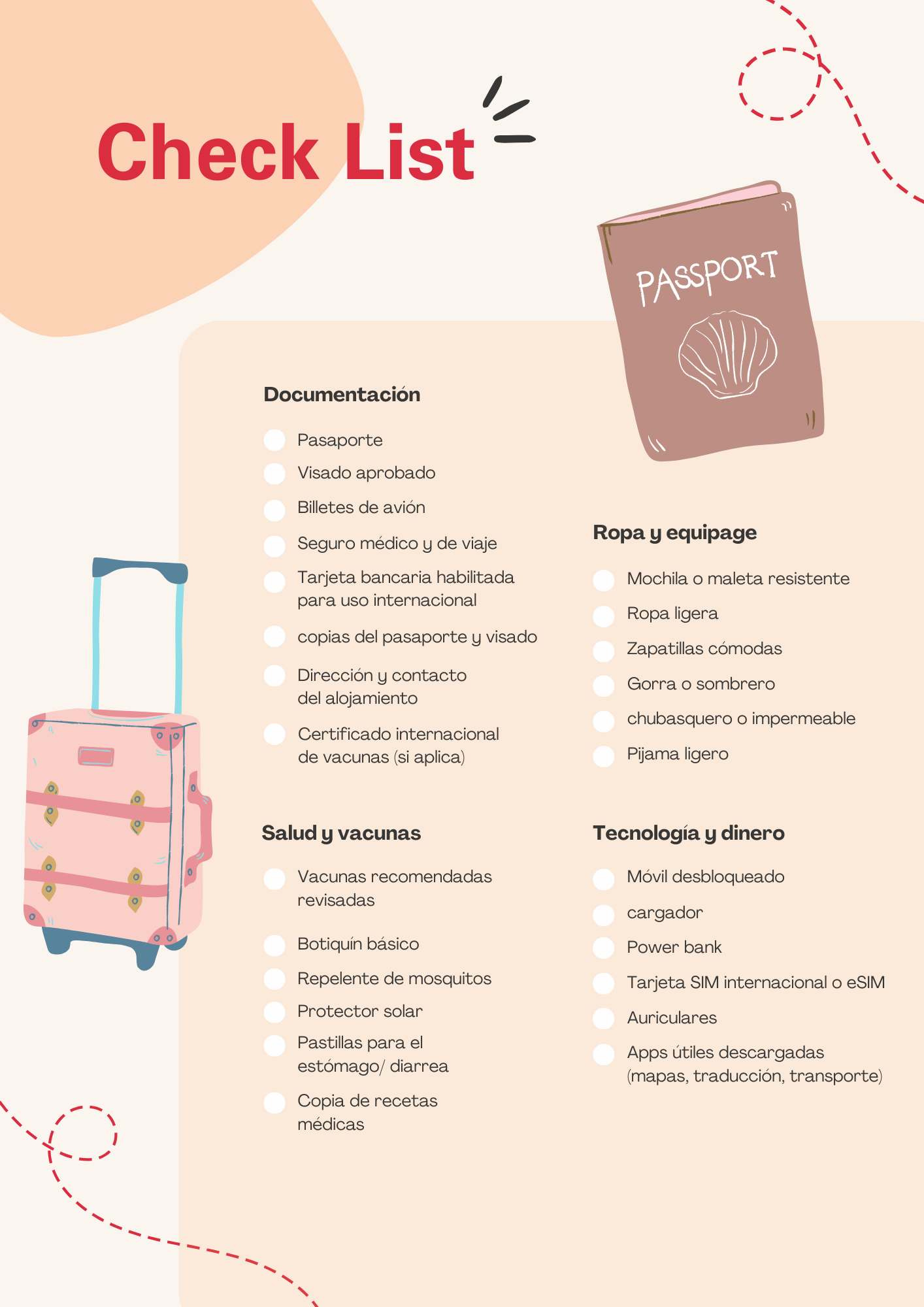
Packing well will make your experience much more comfortable. Some basic recommendations are:
- Light, breathable clothing
- Long garments for visiting temples or rural areas
- Comfortable, sturdy footwear
- Sunscreen and mosquito repellent
- Personal medication and a small first-aid kit
- Universal adapter
- Reusable water bottle
- A copy of important documents
We also recommend bringing an open, flexible, and respectful attitude: it’ll be one of the most important tools during your trip.
International travel insurance
Do I need to take out travel insurance?
Yes, traveling with international travel insurance is essential. In our case, we have medical and travel insurance designed specifically for volunteers, built to provide assistance and coverage throughout the entire experience.
This insurance includes protection against medical incidents, travel assistance, and other important coverage so you can enjoy your volunteer experience with peace of mind.
Cultural survival tips for India
How can I adapt better to Indian culture?
India is an incredibly diverse, intense country, and very different from what many people are used to. Keeping an open mind will be key to fully enjoying the experience.
Some useful tips are:
- Respect local customs and traditions.
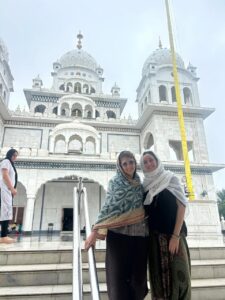
- Dress appropriately, especially at religious sites.
- Avoid drinking tap water.
- Be ready for chaotic traffic and a different pace of life.
- Be patient: in India, many things work differently.
- Try the local food, but use common sense at first.
- Learn a few basic words in English or Hindi.
- Always keep a humble, observant attitude.
Beyond the volunteering itself, India is a human experience that transforms the way you see the world. Going prepared will let you live it with greater safety, peace of mind, and connection to the people you’ll meet along the way.