Every summer, thousands of people decide to spend part of their holidays living a different kind of experience. Among all the international volunteering options, educational projects stand out for their ability to generate a real and lasting impact, both on local communities and on those who take part in them.
At the CiENViDAS Foundation we believe that education is one of the most powerful tools for breaking the cycle of inequality and creating future opportunities. That is why more than 60% of our volunteers choose to take part in teaching programs, working with children in different countries.
But what does educational volunteering really mean? How can you contribute responsibly? In this article we answer these questions and explain why summer may be the best time to take the leap.
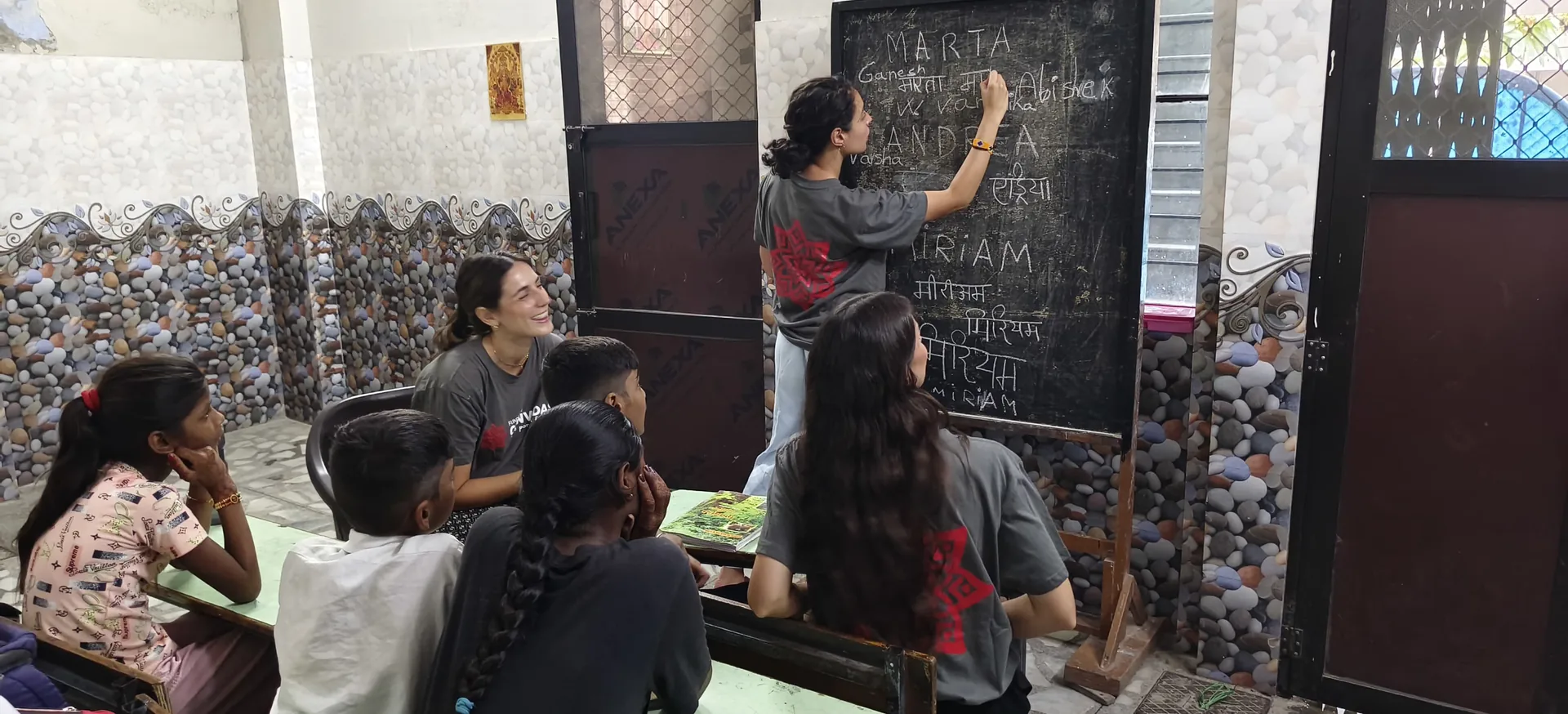
What educational volunteering is (and what it should not be)
Educational volunteering means collaborating with projects that seek to improve access to and the quality of education for children. It is not only about teaching classes, but also about supporting learning, reinforcing knowledge, fostering skills and accompanying the personal development of students.
It is important to understand that a volunteer does not replace a teacher or take a local job. Their work should always complement the work of professionals and adapt to the real needs of the community.
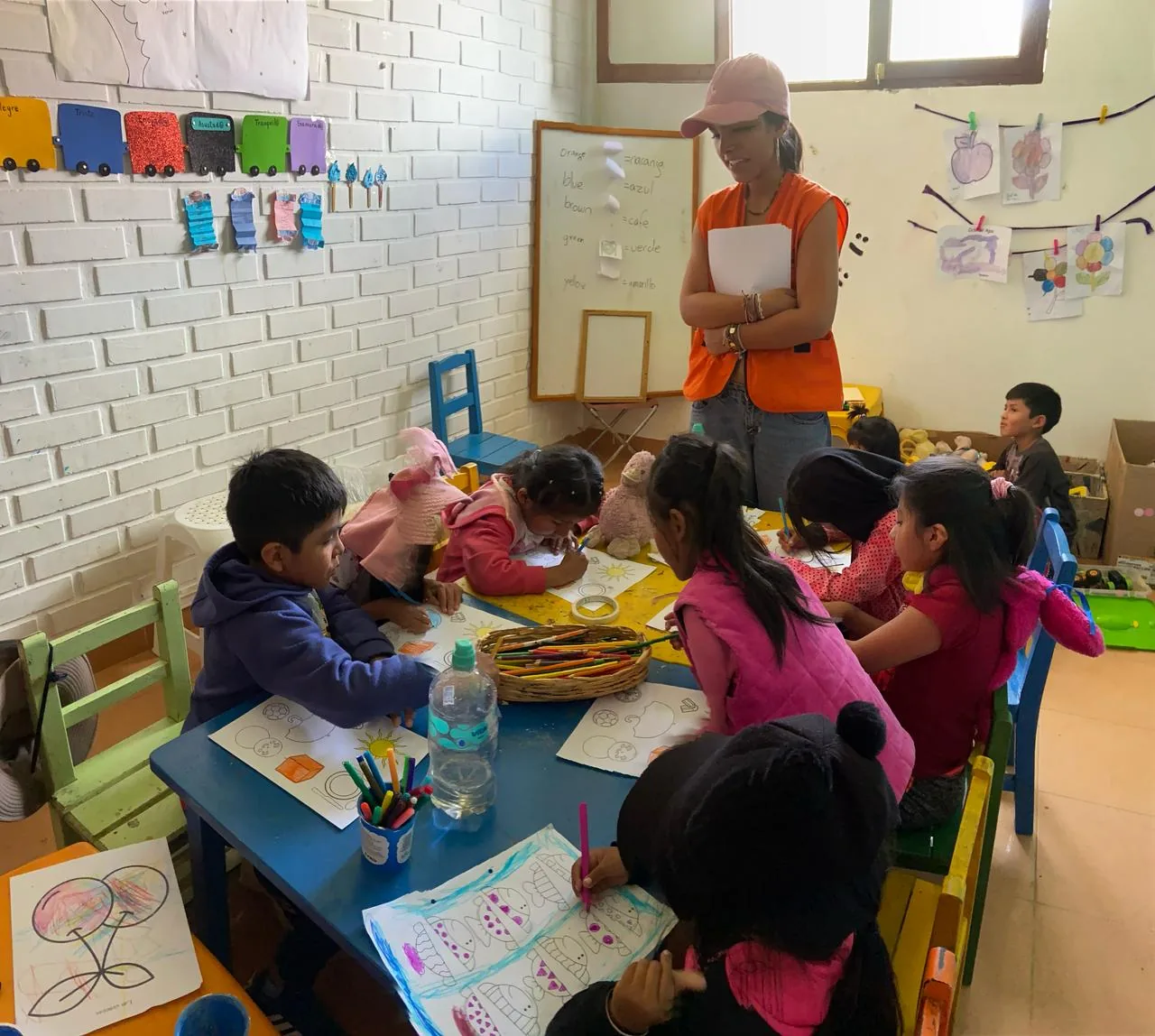
At the CiENViDAS Foundation we are committed to responsible volunteering, where each participant receives guidance and works alongside local teams to ensure that their collaboration has a positive and sustainable impact.
It is no coincidence that more than 60% of our volunteers choose an educational volunteering program. Many discover that sharing knowledge, time and motivation is one of the most rewarding ways to contribute during their international experience.
Why summer is a key time to get involved
Summer is the ideal time for those who want to do international volunteering without interfering with their studies or work. Summer holidays offer the perfect opportunity to dedicate several weeks to a project with a social impact.
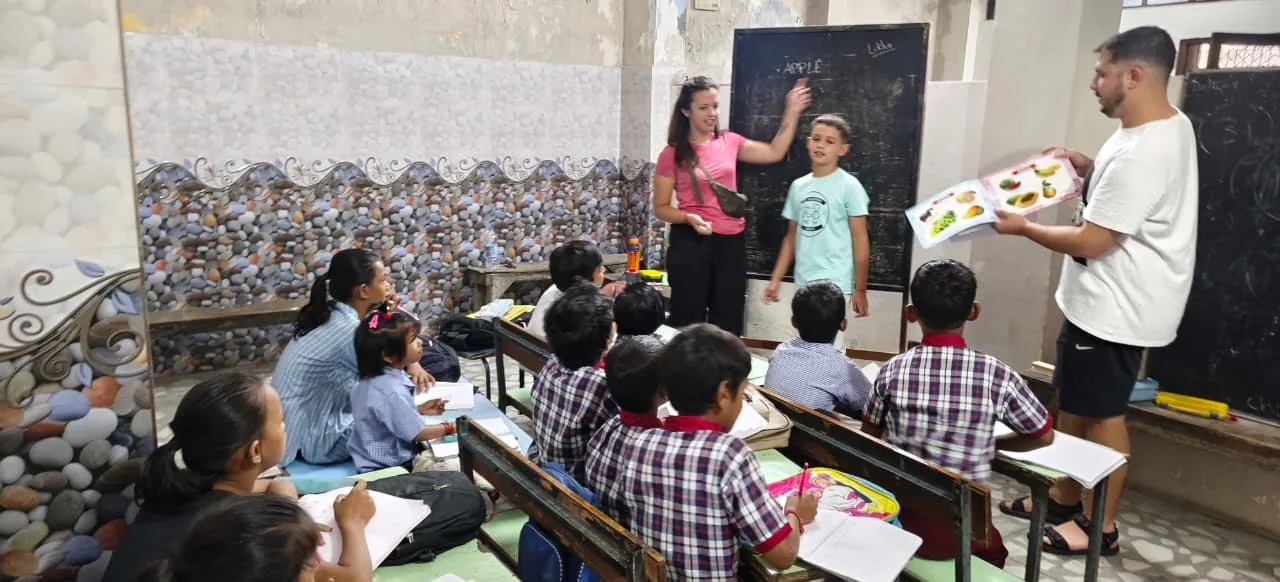
In addition, during these months many educational projects organise complementary activities for children, such as summer camps, workshops, cultural activities or extra tuition programs. The participation of volunteers makes it possible to offer more personalised attention and to broaden learning opportunities.
For many volunteers, summer is the chance to turn a holiday into a transformative experience where, in addition to getting to know another culture, they can make a meaningful contribution to the development of a community. If you are looking for ideas, take a look at our guide to summer volunteering and its best destinations.
What can you contribute to an educational project?
One of the most frequently asked questions is: “Do I need to be a teacher to take part?” The answer is no.
What matters most is not having teaching experience, but rather commitment, empathy, a willingness to learn and a collaborative attitude. Volunteers bring new perspectives, motivation and day-to-day support to the projects.
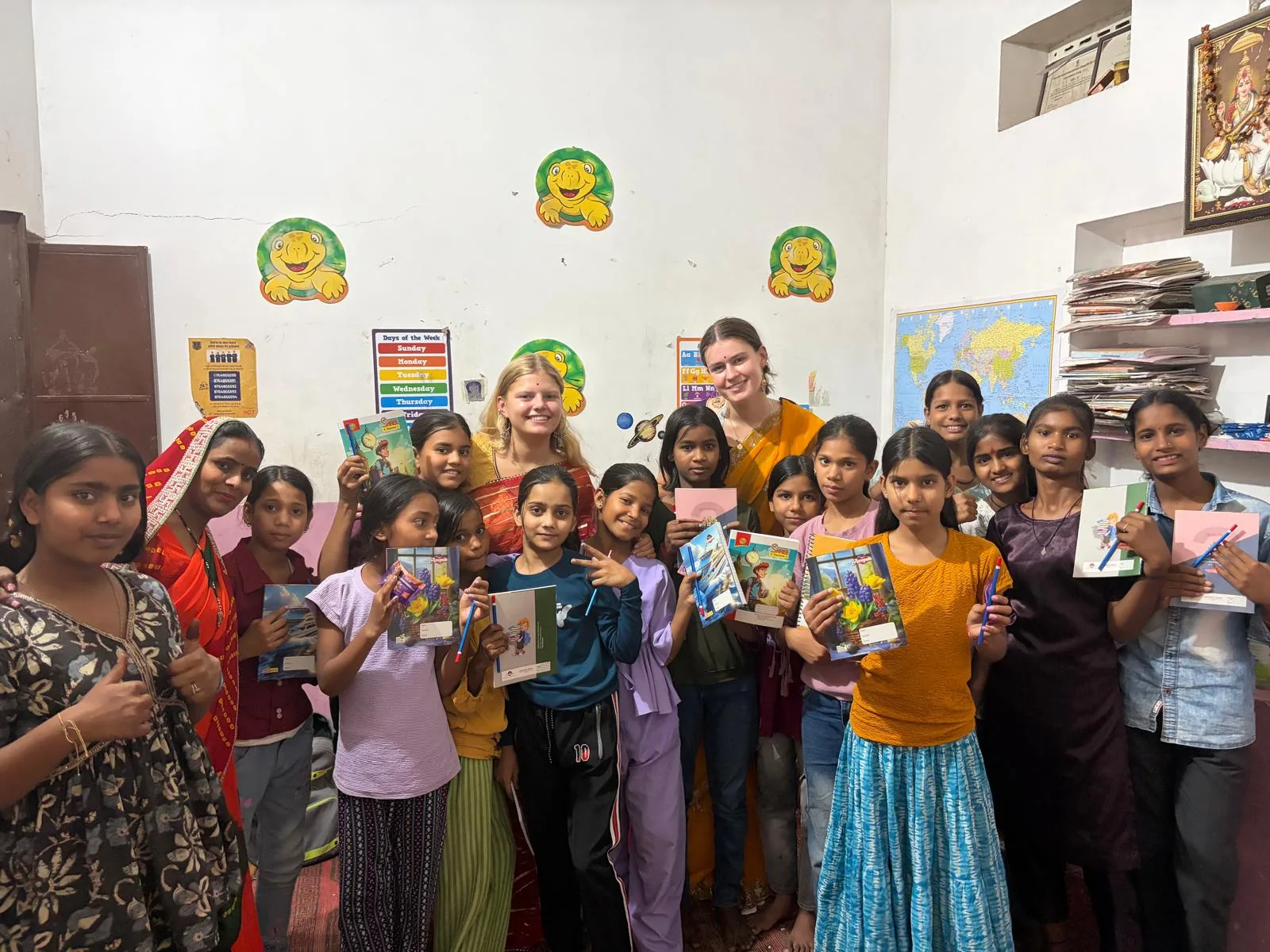
Education opens doors, creates opportunities and helps children build a future with more possibilities. Every activity, every conversation and every shared moment can become valuable learning.
When a child improves their reading comprehension, overcomes their fear of speaking another language or discovers new skills, opportunities are created that can stay with them throughout their life.
School support, English, workshops and mentoring
Within educational volunteering there are many ways to collaborate. Depending on the destination and the project, volunteers can take part in activities such as:
- School support in different subjects.
- English classes and conversation.
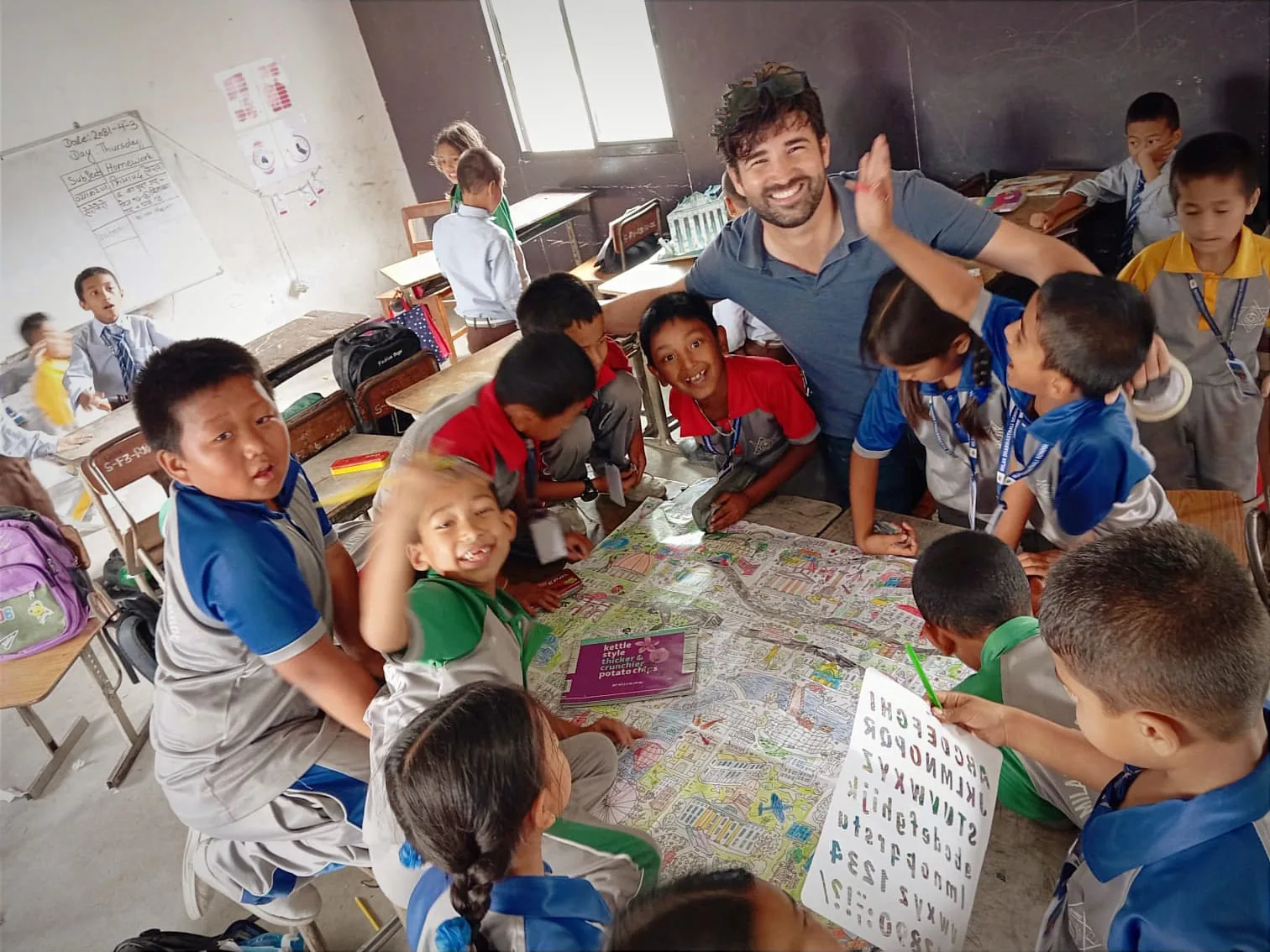
- Workshops on creativity, sport, music, art or environmental education.
- Educational games and interactive activities.
- Mentoring and building children’s confidence and motivation.
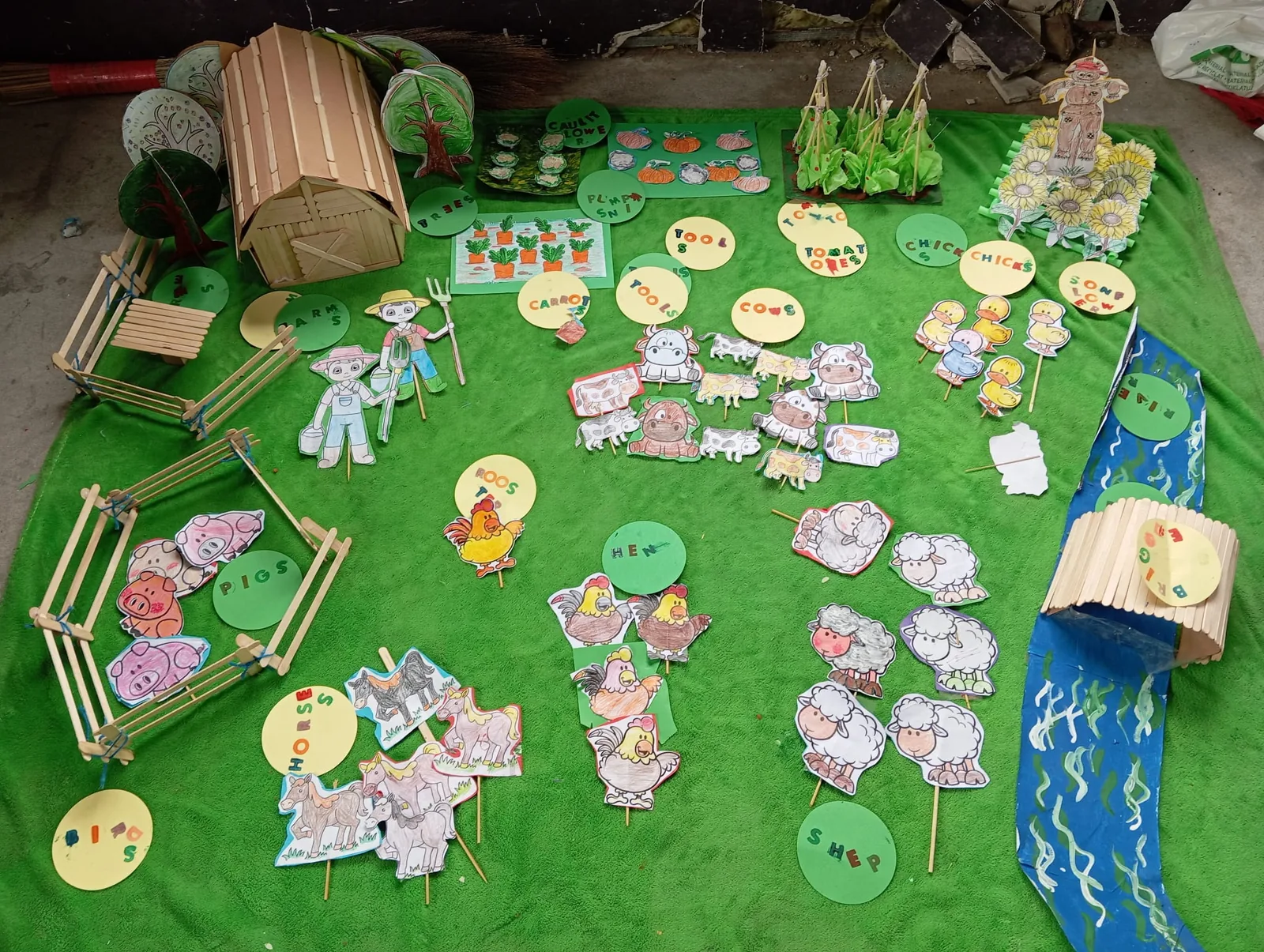
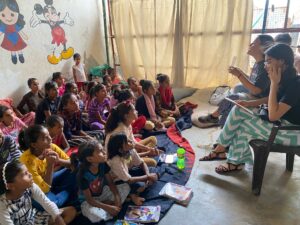
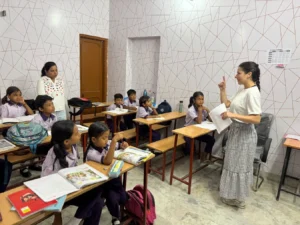
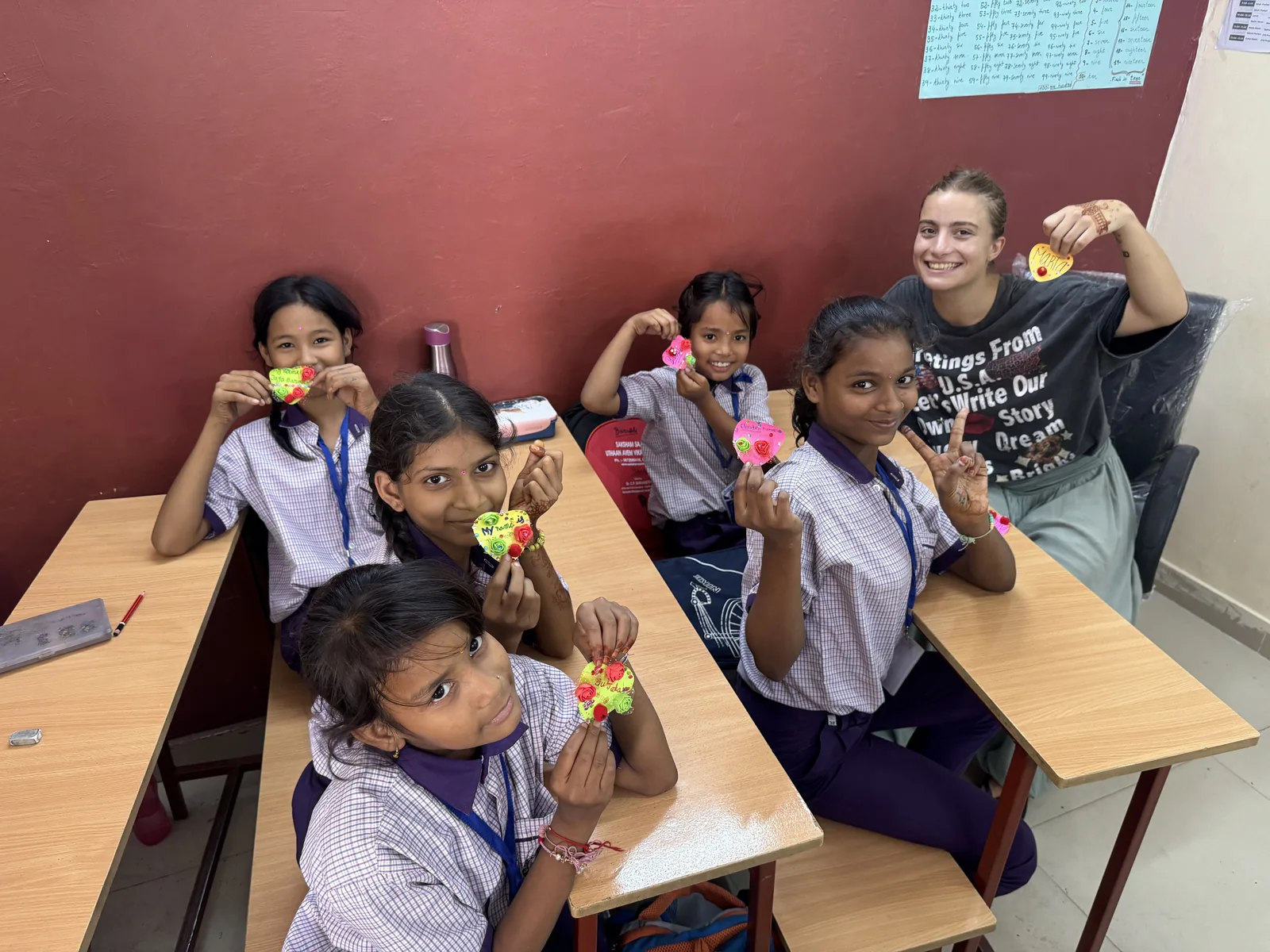
In many cases, learning goes far beyond academic content. Sharing time, listening, motivating and creating a positive environment are also part of the educational process. One of the most popular options is teaching English in the schools of Jaipur.
How to prepare before you travel
Good preparation is essential to make the most of the experience and to contribute responsibly. Before travelling, we recommend that you:
- Learn about the culture, customs and social context of the country.
- Keep an open and respectful attitude towards local teaching methods.
- Understand that the goal is to collaborate, not to impose new methodologies.
- Prepare simple, interactive activities that can be adapted to different ages.
- Have realistic expectations and understand that impact is built little by little.
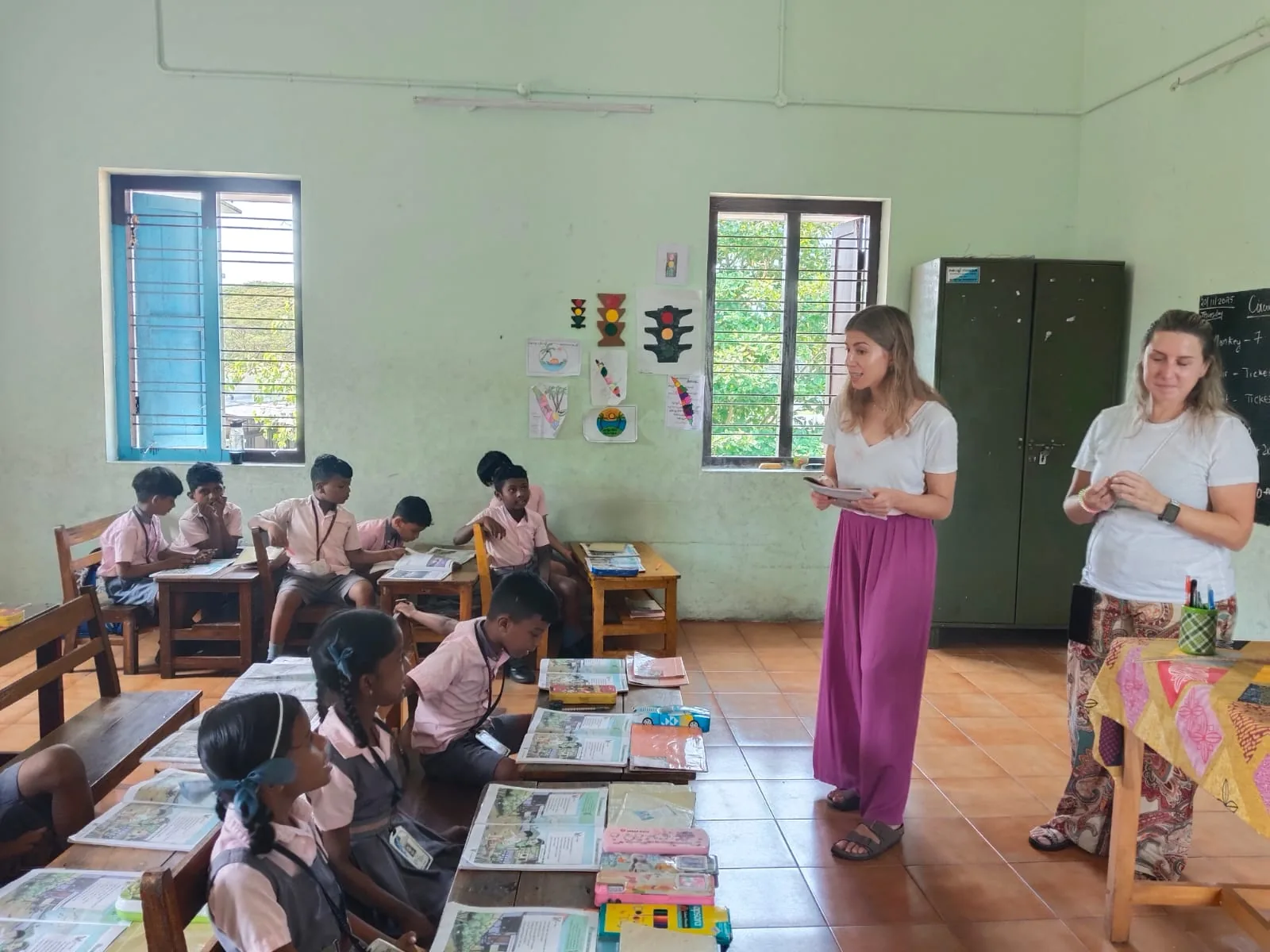
At the CiENViDAS Foundation we support all our volunteers before, during and after their experience. Our team offers training, guidance and support so that each participant arrives prepared and can integrate easily into the project.
Educational volunteering with the CiENViDAS Foundation
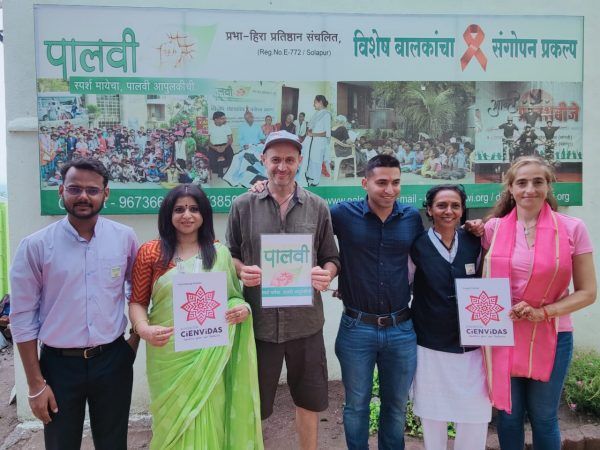
At the CiENViDAS Foundation we run educational volunteering programs in all our destinations: India, Nepal, Thailand, Bolivia and Peru. We are committed to education because we firmly believe it is one of the main ways to improve children’s quality of life and generate future opportunities.
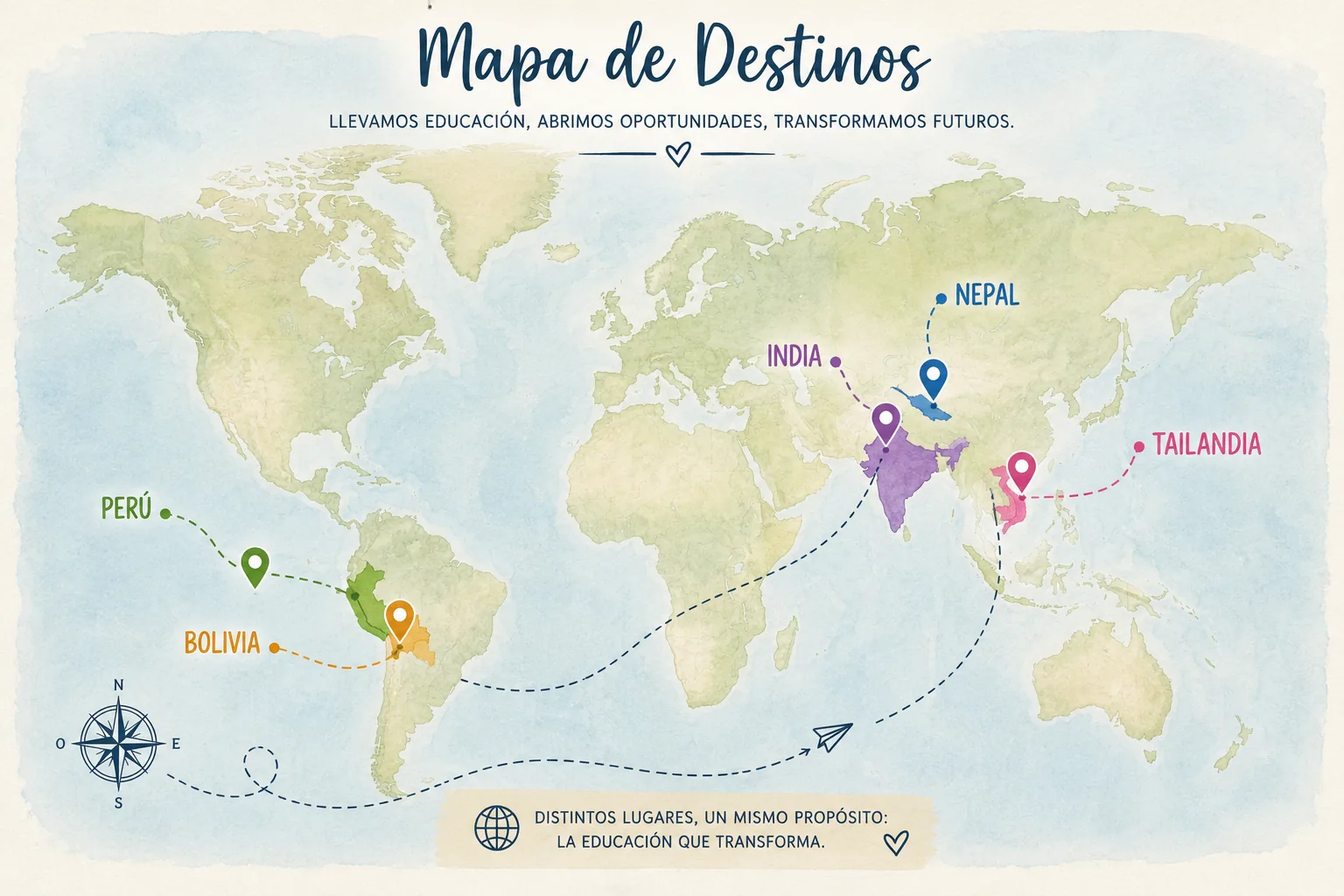
Our volunteers play a very important role within these projects. In addition to daily support in the classroom, they bring new activities and ways of learning that enrich the students’ educational experience and complement the work of the local teams. Many of them collaborate on our volunteering programs in India, one of the most in-demand destinations.
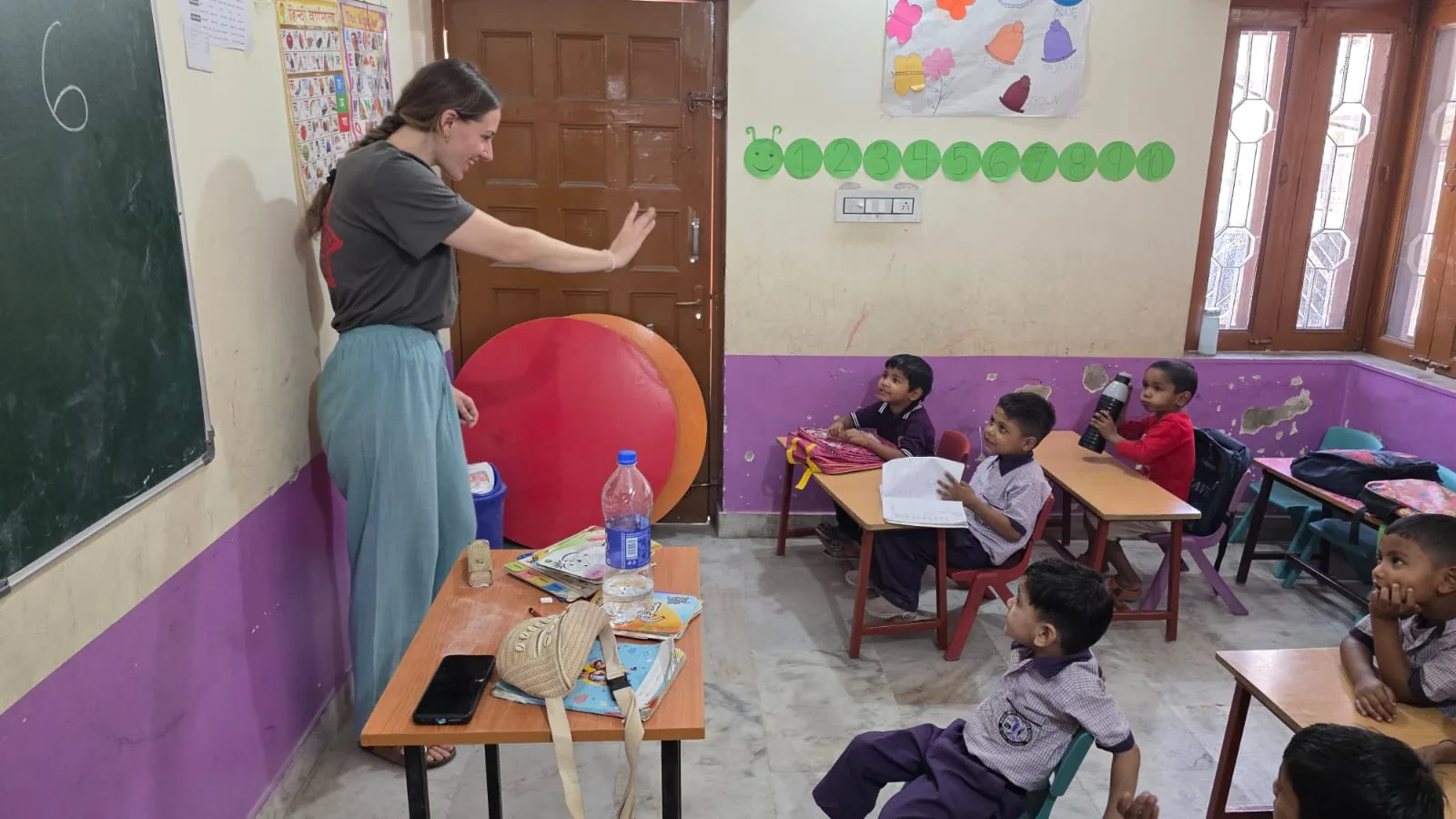
One of the projects we are most excited to share began last year with the opening of our school in Jaipur (India). Thanks to this project, 100 children who had never before had access to education can attend school free of charge and start building a future with more opportunities. It is an example of how schooling breaks the cycle of poverty.
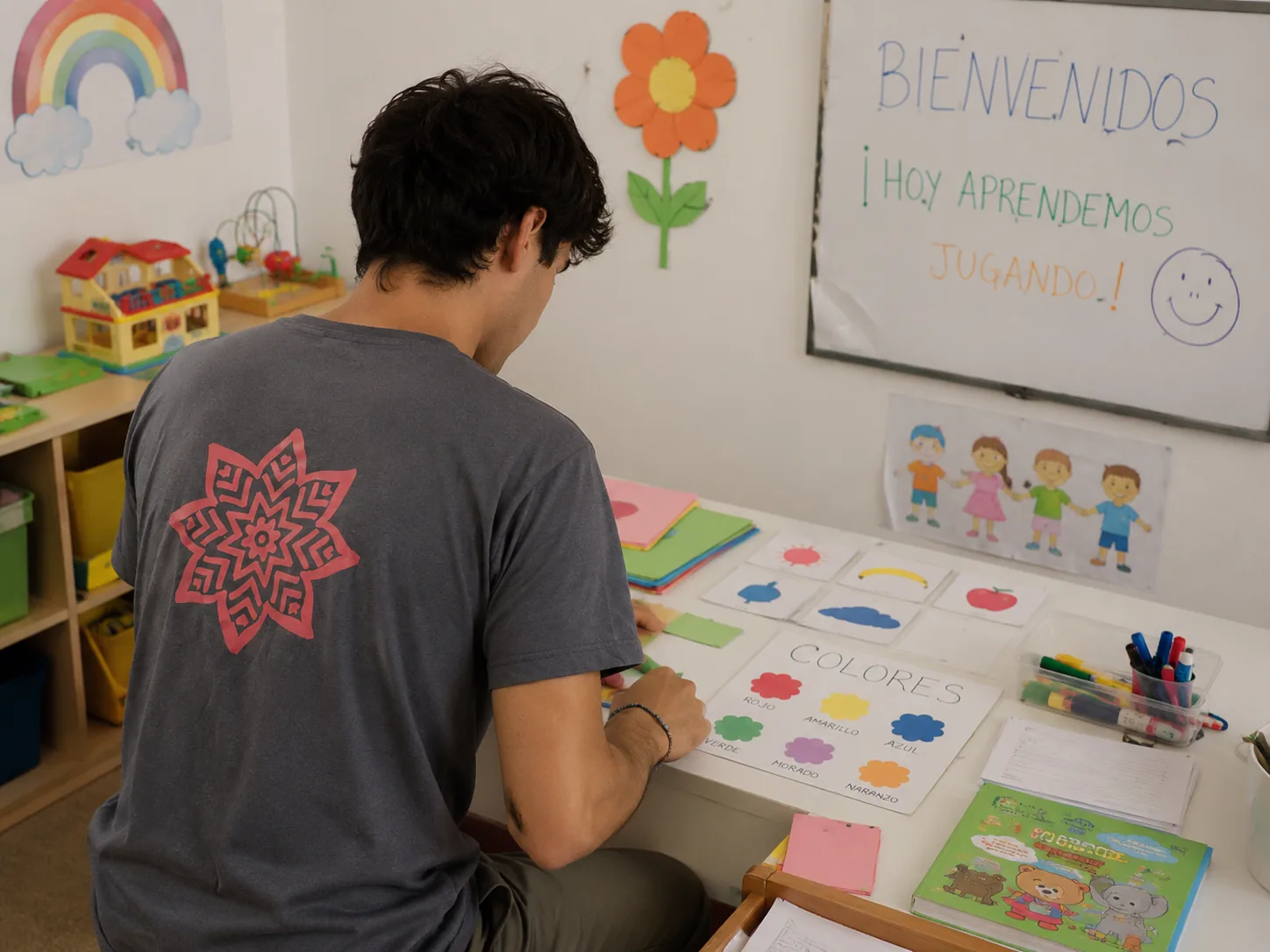
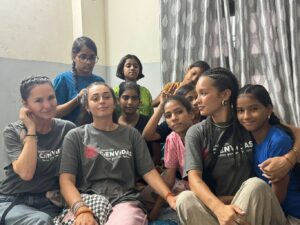
Every volunteer who takes part in our programs helps make this change possible. They share not only knowledge, but also time, motivation and confidence, all essential elements for the development of any child. In addition to volunteering, you can also help by sponsoring a girl to guarantee her education.
Frequently asked questions
Do I need experience as a teacher?
No. What matters most is the willingness to collaborate, commitment and a positive attitude. Before you start you will receive guidance to develop the activities.
How long do the programmes last?
We offer programmes of different durations, so that each volunteer can adapt them to their availability, especially during the summer months.
In which countries can I do educational volunteering?
We currently offer educational projects in India, Nepal, Thailand, Bolivia and Peru.
What kind of activities will I do?
You will be able to help with school support, English classes, workshops, educational games, creative activities and mentoring children, always according to the needs of each project.
Why choose educational volunteering?
Because education transforms lives. Contributing to a child’s learning means helping them develop skills, broaden their opportunities and build a future with more possibilities. At the same time, you will live an experience of personal growth, intercultural learning and social commitment that you will hardly ever forget.
If this summer you want your trip to leave a positive mark, educational volunteering can be the first step towards changing the lives of others… and your own too. At the CiENViDAS Foundation we would be delighted to accompany you on that journey.