International volunteering has become one of the most rewarding ways to travel, learn, and make a positive impact on vulnerable communities. If you’re looking for an authentic experience in South America, volunteering in Cochabamba (Bolivia) is a unique opportunity to combine solidarity, cultural exchange, and personal growth.
Cochabamba, known as “the city of eternal spring,” offers a welcoming environment for those who want to get involved in social, educational, and health projects. From programs with children and teens to community health initiatives, volunteering in this Bolivian region means being part of real projects that transform lives.
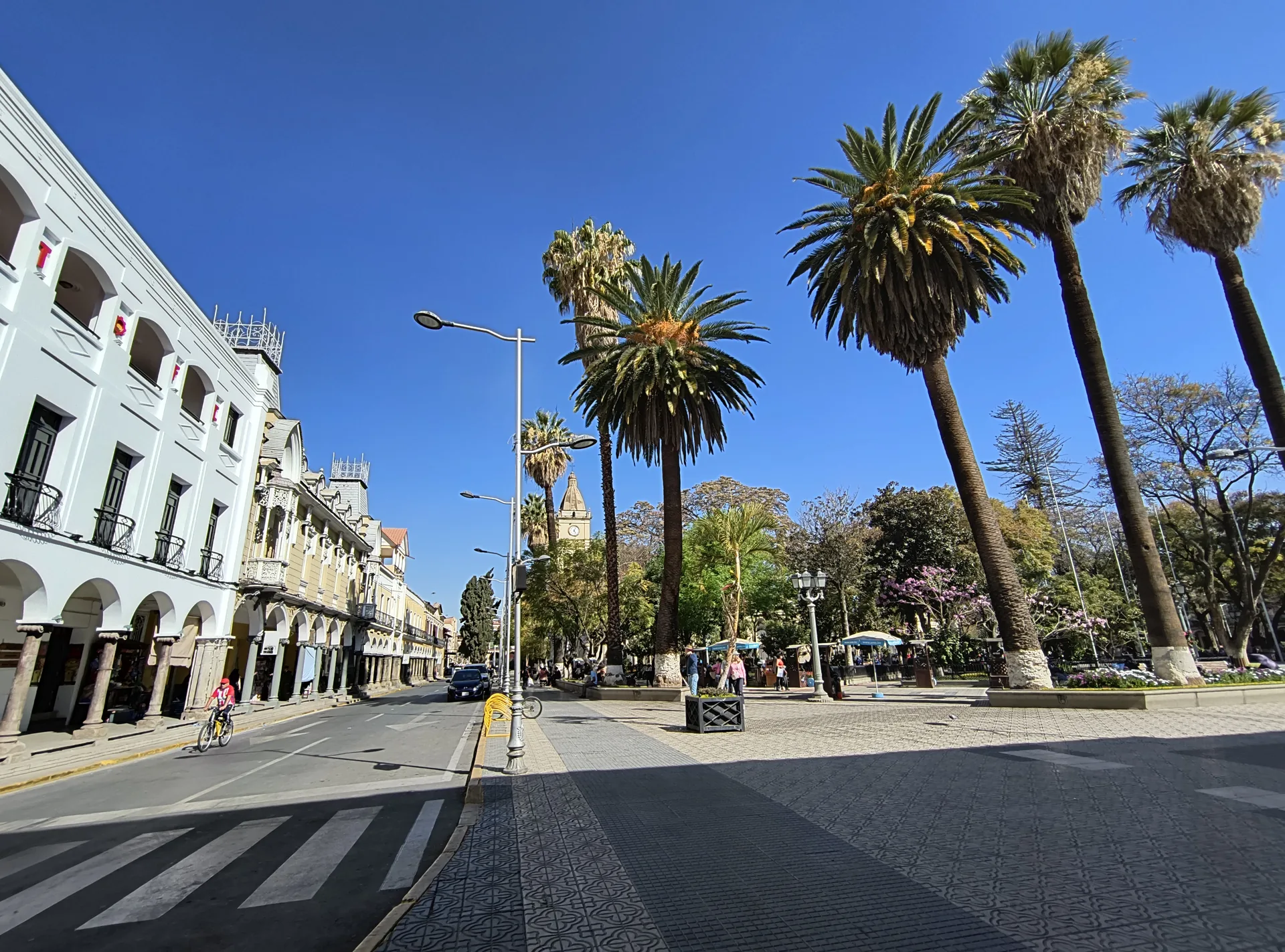
Why volunteer in Bolivia?
Bolivia is one of the most authentic and culturally rich countries in Latin America. Its geographic diversity, Indigenous traditions, and social reality make it an ideal destination for those seeking a transformative volunteer experience.
Volunteering in Bolivia allows you to:
- Get to know local communities and their culture up close.
- Actively take part in social projects with real impact.
- Develop personal and professional skills.
- Learn about international cooperation and community work.
- Step out of your comfort zone while contributing to the well-being of others.
Bolivia also continues to face significant social challenges related to access to healthcare, education, and opportunities for vulnerable children and families. That’s why the support of international volunteers is especially valuable.
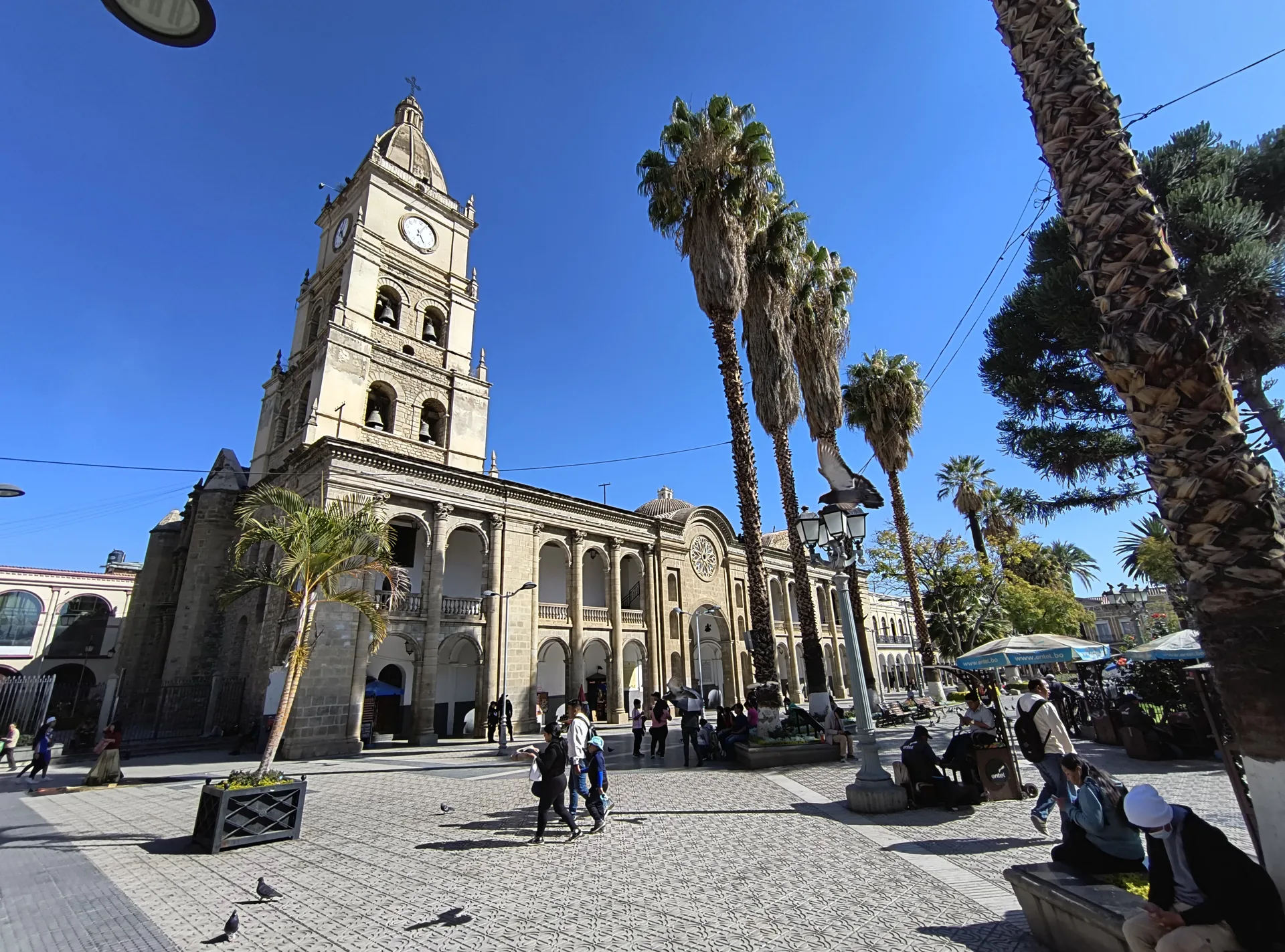
Cochabamba: city, culture, and context
Cochabamba is one of Bolivia’s most important cities and stands out for its mild climate, its cuisine, and the friendly nature of its people. Located in the center of the country, it blends tradition and modernity in a setting surrounded by mountains and nature.
The city has a strong cultural identity influenced by Indigenous Quechua roots and deeply rooted mestizo traditions. Its markets, festivals, music, and cuisine make living in Cochabamba an immersive cultural experience.
Although Cochabamba is considered a growing city, many families still live in situations of social vulnerability. Some of the main social challenges are:
- Economic inequality.
- Limited access to specialized healthcare services.
- Child labor and educational exclusion.
- Families affected by violence, poverty, or incarceration.
- A shortage of resources in rural and peripheral communities.
For this reason, many social projects work every day to improve the quality of life of children, teens, and families at social risk.
Available volunteer programs
The volunteer program offers different areas of collaboration to match each participant’s interests, skills, and calling.
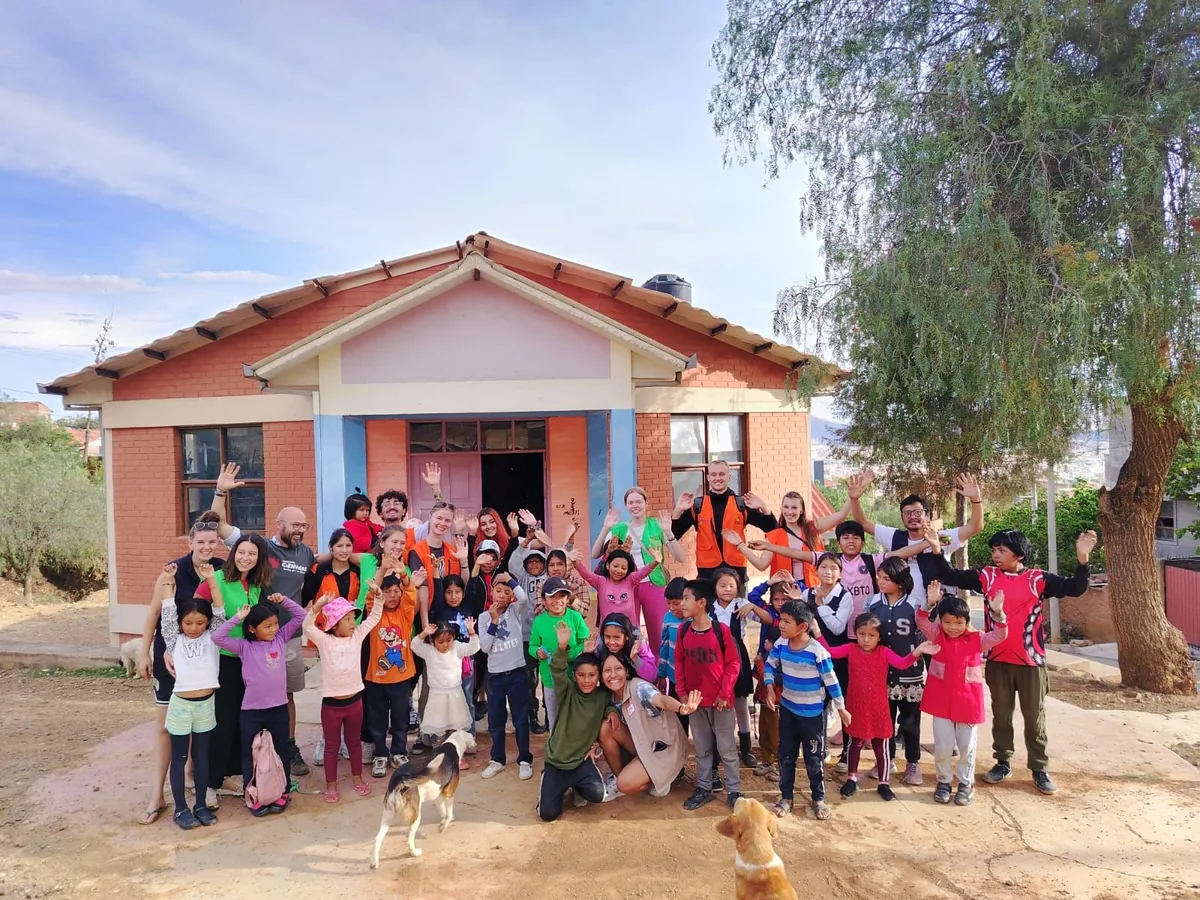
Supporting children in the hospital: Smile therapy
Just a few blocks from the main volunteer house is the “Manuel Ascencio Villarroel” Children’s Hospital, the main pediatric referral center in the Cochabamba department.
In coordination with the Pediatrics, Infectious Diseases, Oncology, and Burns units, volunteers share play time, entertainment, and emotional support with hospitalized children and teens.
This project, known as Smile Therapy, aims to remind both children and their families that they’re not alone, and that even in the hardest moments, a smile can become a powerful tool of emotional support.
Activities include:
- Games and recreational activities.
- Artistic and creative activities.
- Emotional support.
- Play spaces adapted to the patients.
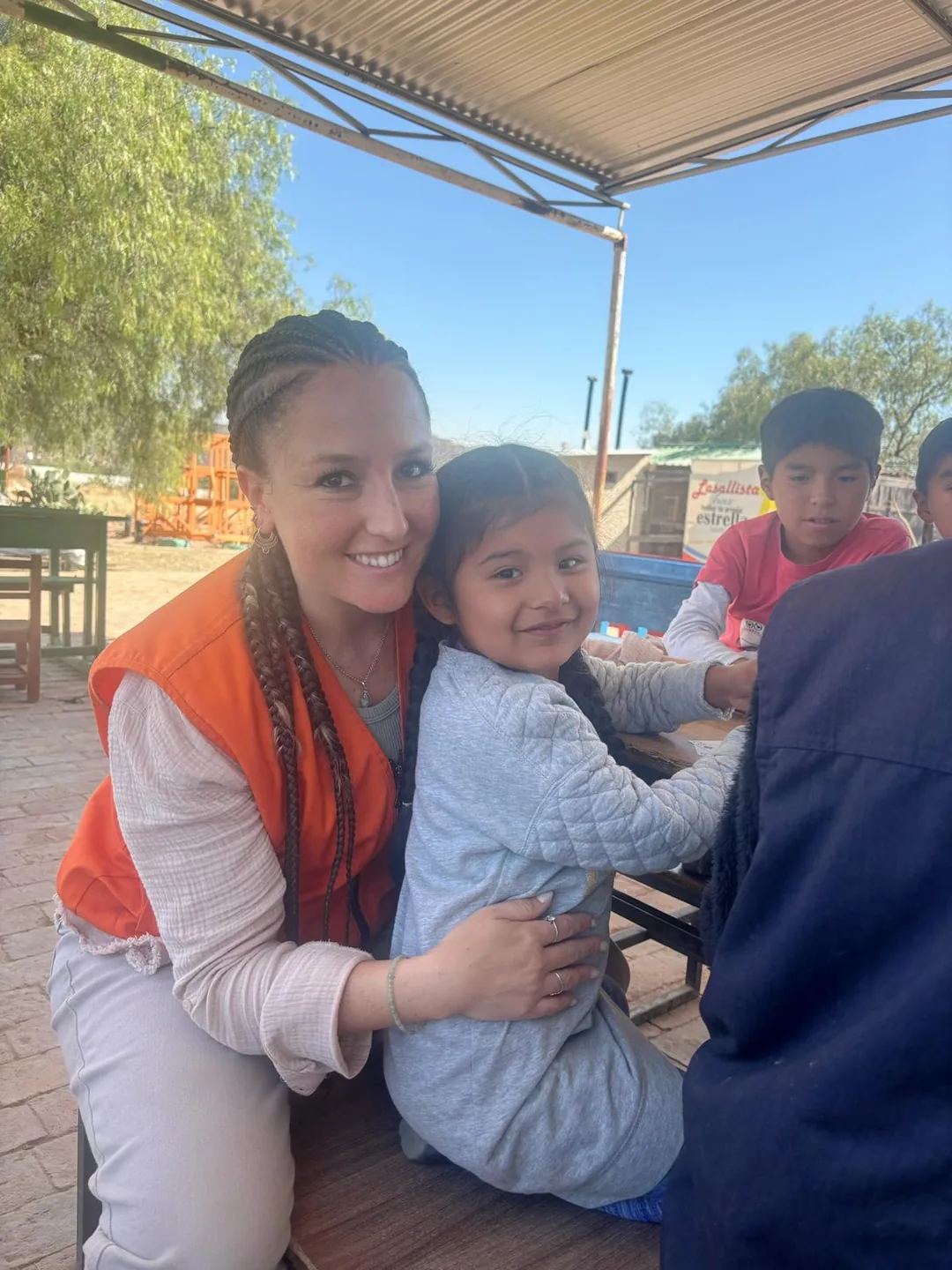
Casa de la Amistad Day Center
Volunteering at the Casa de la Amistad Day Center means working with children and teens whose parents are facing incarceration or extreme social vulnerability.
The project offers comprehensive care in:
- Education.
- Health.
- Food.
- Psychological support.
- Spiritual and family strengthening.
The center currently serves more than 153 children and teens connected to the San Sebastián (men’s and women’s), San Antonio, and El Abra prisons in Cochabamba.
Since it was founded in 1994 by missionary Dennis Shermann, the project has helped hundreds of children build a better future, many of whom are now professionals with stable families.
As a volunteer, you can:
- Help with schoolwork.
- Organize recreational activities.
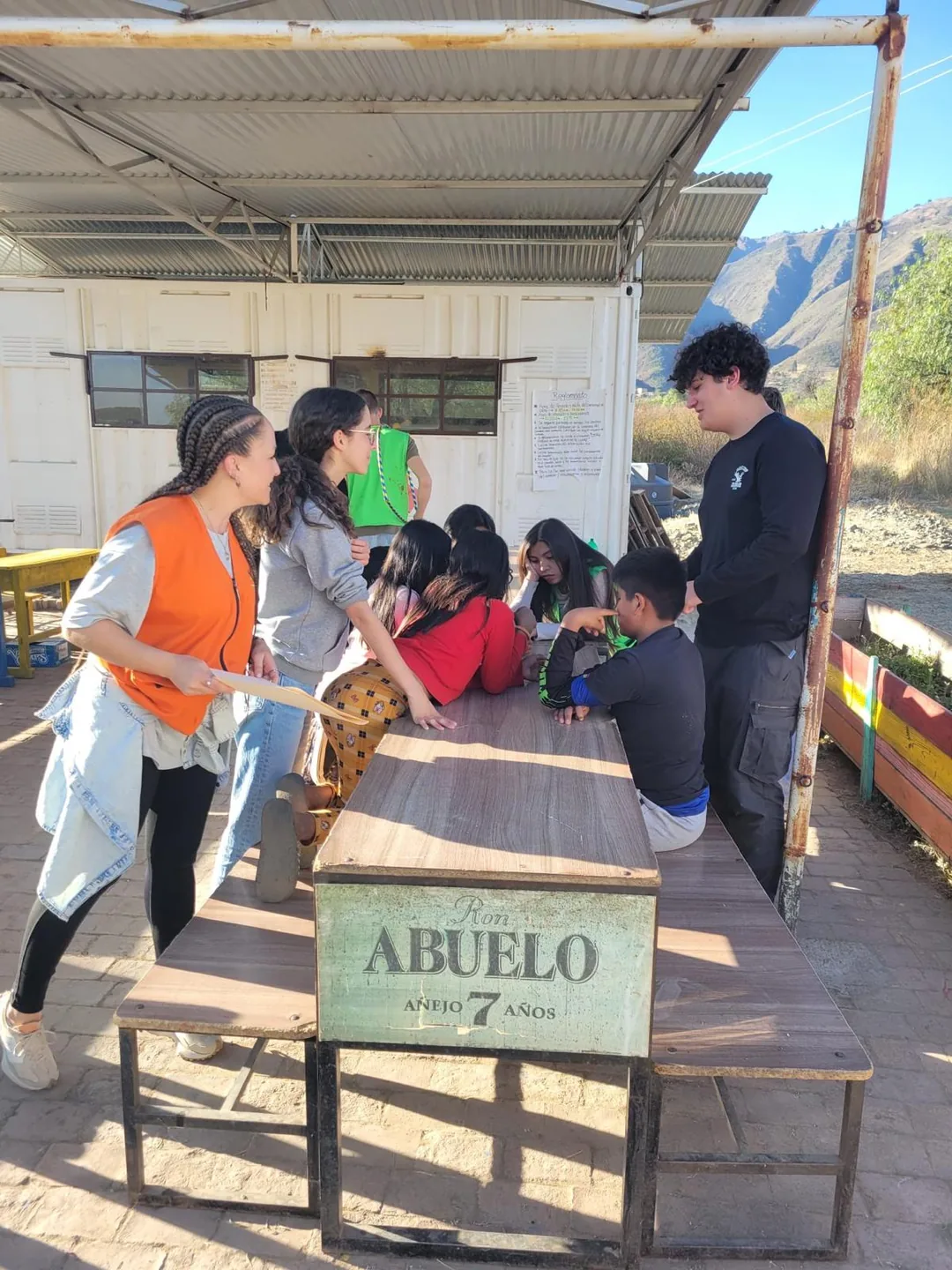
- Run educational workshops.
- Provide emotional support.
- Take part in social integration activities.
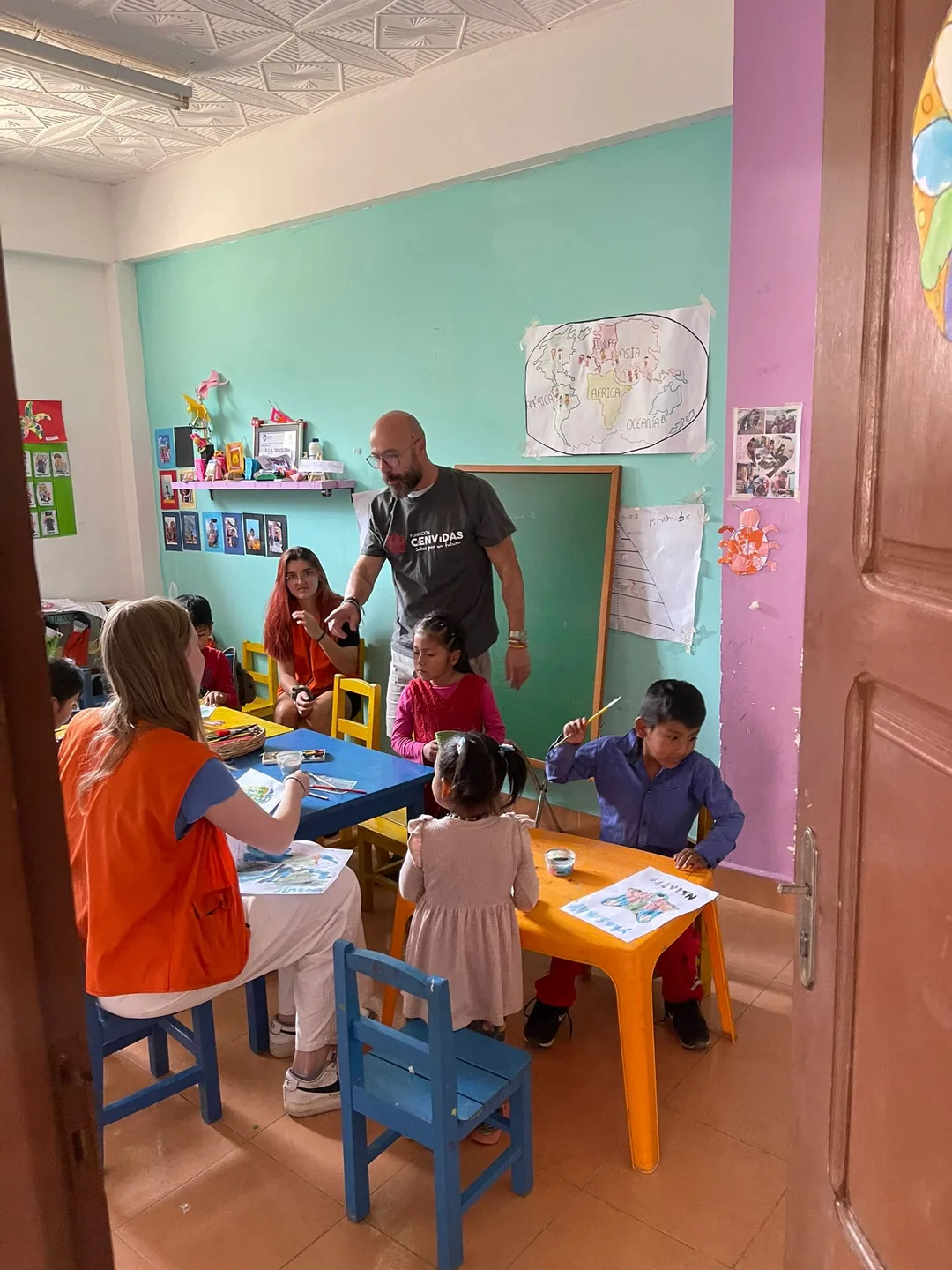
Medical volunteering – Medicine and health
The CASA DE LOS NIÑOS project welcomes children and families in situations of extreme social vulnerability, offering health, educational, and human support.
This solidarity community currently houses more than 80 families and around 300 minors, many of them affected by serious illnesses, disabilities, or extreme exclusion.
Within the project there’s a health post that provides primary care, health education, and prevention.
At the health post:
- Basic medical care for children and adults.
- Support for patients with HIV/AIDS and other serious illnesses.
- Educational support in classrooms.
- Guidance for families.
- Family reintegration and the search for foster homes.
- Educational and financial counseling.
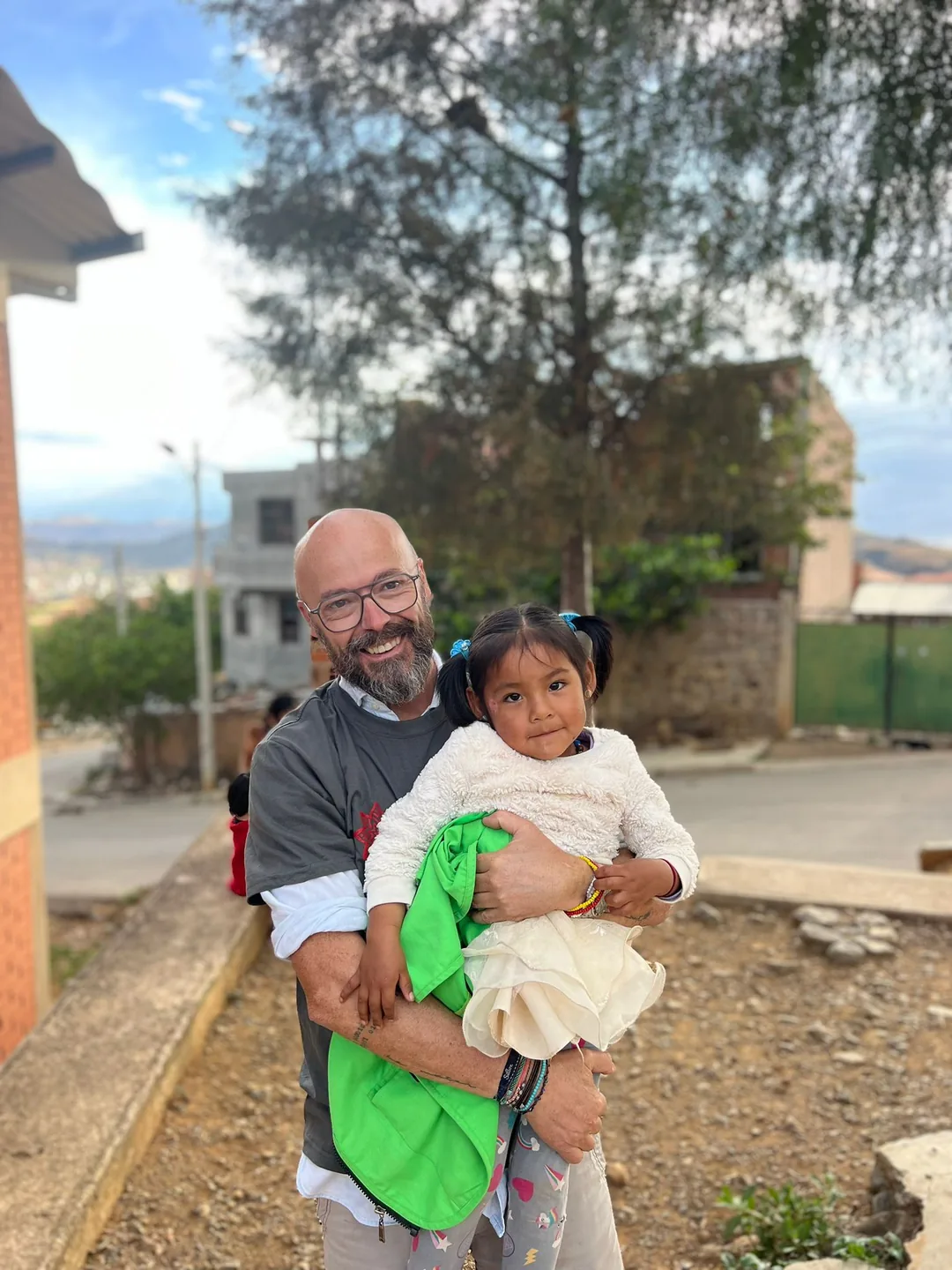
In the community:
- Preventive home visits.
- Participation in public health campaigns.
- Organizing community workshops.
- Health education and disease prevention.
- Creating educational materials.
- First-aid and disaster-prevention activities.
Visits to rural health centers alongside local staff can also be arranged.
This program is especially geared toward advanced students or professionals in Medicine and Nursing who want to gain international and social experience.
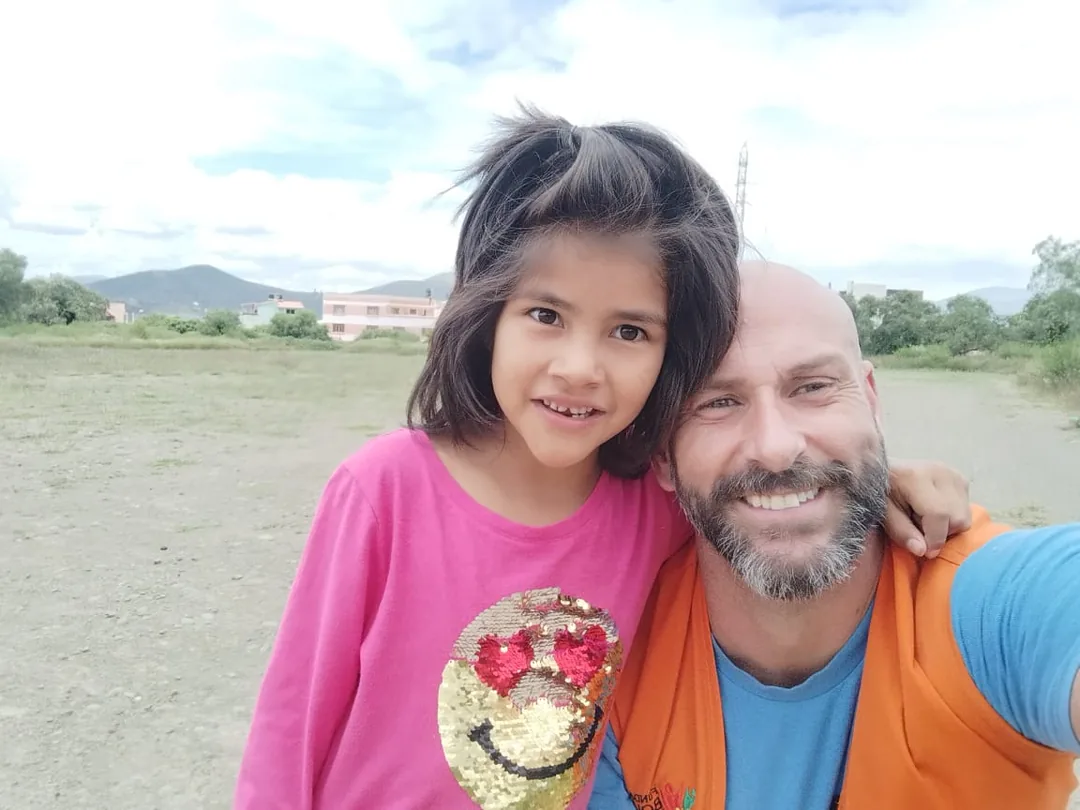
Tackoloma Day Center and Arocagua farmers’ market – Teaching
This program combines education, community development, and child support in vulnerable settings.
Volunteers take part in many activities aimed at the overall well-being of children, teens, and older adults. You can learn more about this teaching program in Cochabamba on our dedicated page.
Main activities:
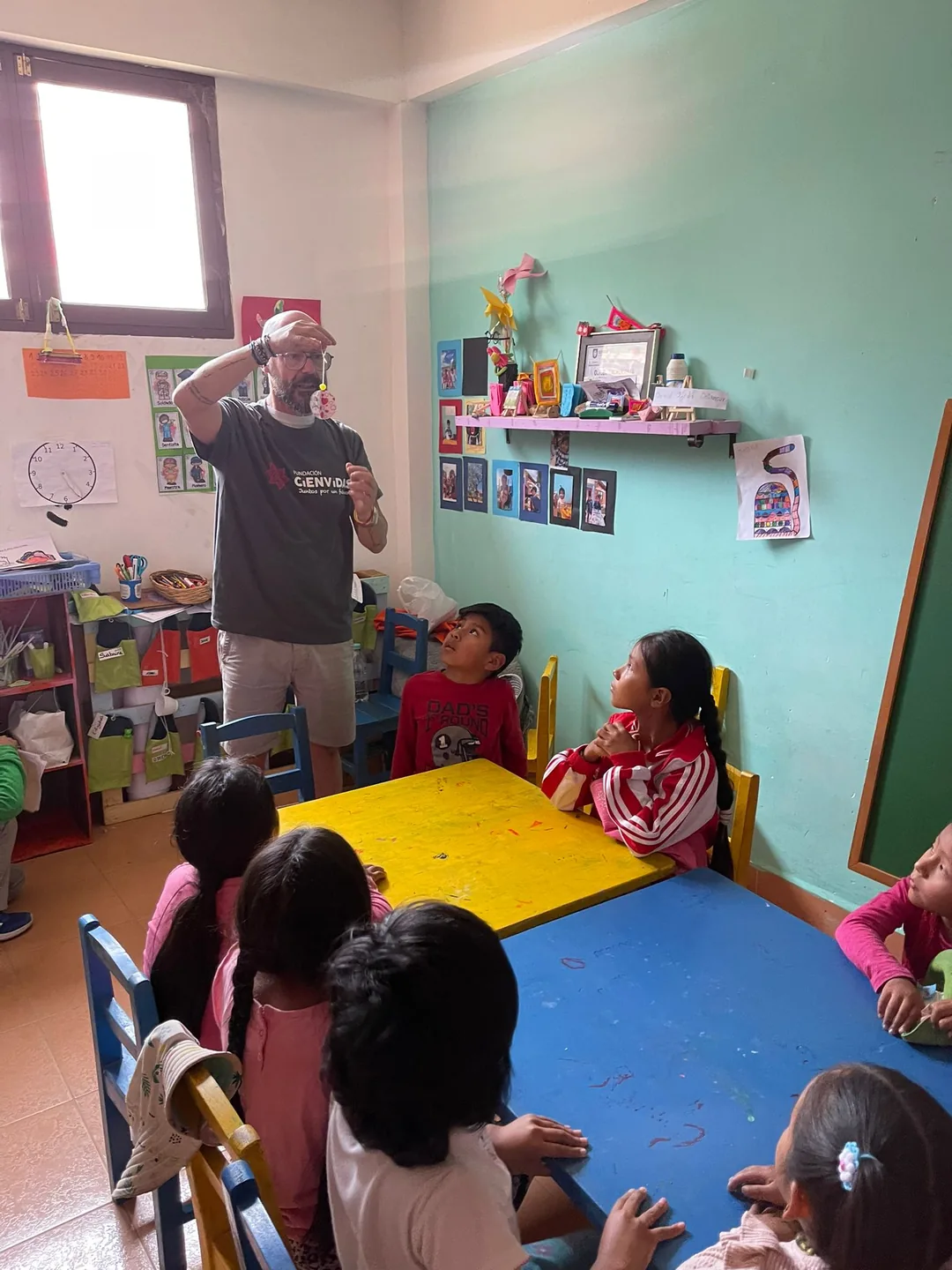
- Preschool activities for children ages 2 to 6.
- English school with games and activities.
- Daily help with schoolwork.
- Sports activities to build self-esteem and values.
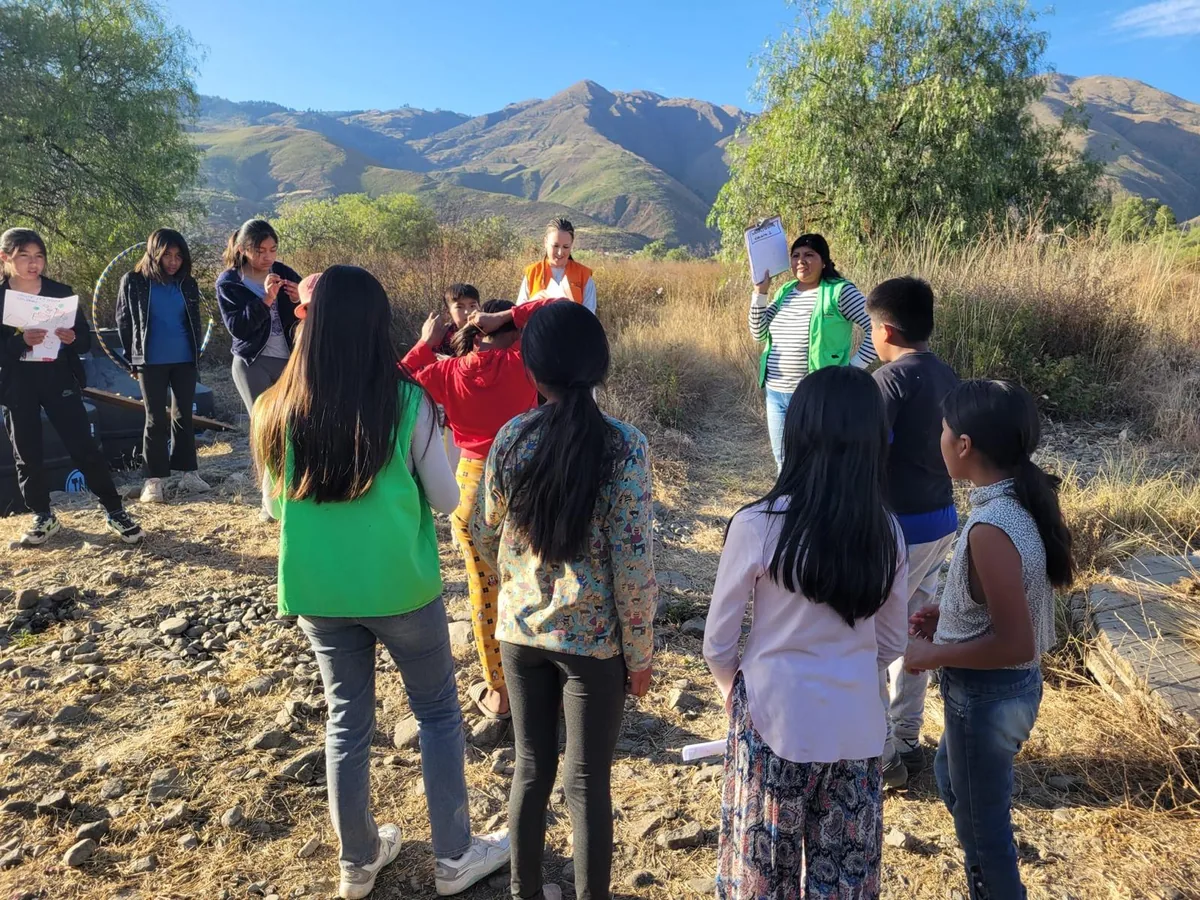
- Artistic and creative projects: music, theater, dance, painting, puppets, and circus arts.
- Health and hygiene education.
- Community projects: gardens, reforestation, cleanup, and infrastructure improvements.
- Helping at the solidarity dining hall.
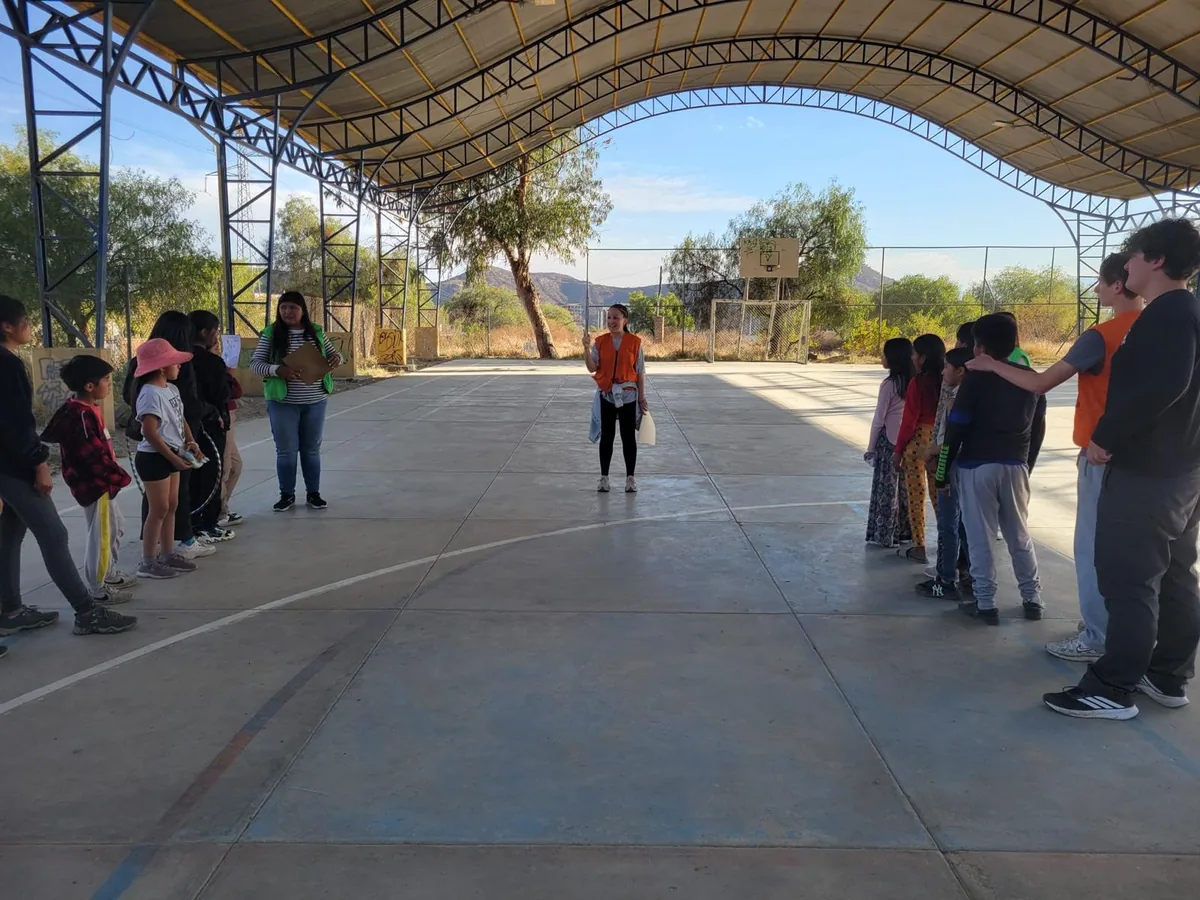
It’s an excellent option for people interested in education, childhood, and community work.
Requirements, visa, and budget
Requirements
To take part in the volunteer program in Cochabamba you’ll need:
Prior training
No prior experience is required — just commitment, motivation, and a desire to help.
Minimum age
- Be 18 years old at the start of the program.
- Minors must present authorization signed by a parent or guardian.
Required documents
- Résumé (CV).
- An up-to-date sexual-offender background check.
- An up-to-date criminal background check.
Attitude
- A caring spirit.
- Adaptability.
- An open mind.
- Interest in learning about and living alongside other cultures.
Specific requirements for medical volunteering
Participants in the Medicine and Health program must have training in Medicine or Nursing, either as students in their final years or as graduates.
Visa
Visa requirements for Bolivia depend on your nationality. Citizens of the European Union, the UK, and Canada generally don’t need a tourist visa for stays of up to 90 days, while US citizens do require a tourist visa (available on arrival or at a Bolivian consulate, with a fee). Always confirm the latest requirements with the nearest Bolivian consulate before traveling.
Entry is usually granted initially for 30 days and can later be extended within Bolivia up to the maximum allowed.
Documents needed to enter Bolivia
- Valid passport: valid for at least 6 months from your date of entry into the country.
- Return/onward ticket: a return ticket or proof of onward travel to another country.
- Accommodation address: we’ll provide you with the address of the accommodation in Cochabamba.
Budget
The base program has a minimum duration of 2 weeks:
- Program: €250
- Solidarity contribution to the project: €200
The program includes
- Personalized pickup at Jorge Wilstermann Airport in Cochabamba.
- Orientation and training about the city and the project.
- Accommodation in a volunteer hostel.
- Daily transportation to the project.
- Two meals a day, Monday to Friday.
- Local coordinator and 24-hour support.
- Administrative costs.
- Final transfer to the airport.
- Certified €200 contribution to the CiENViDAS project.
- International Volunteering Certificate.
Best time to go
Cochabamba enjoys pleasant weather for much of the year, which is why it’s known as “the city of eternal spring.”
The best time to volunteer is usually between April and October, when rain is less frequent and temperatures are more stable.
That said, the programs run year-round, so you can take part in any season depending on your availability.
Why choose CiENViDAS?
Choosing CiENViDAS means being part of projects committed to the social and human development of vulnerable communities in Cochabamba.
The organization stands out for:
- Its experience in international volunteering.
- Close support before and during the program.
- Transparency in solidarity contributions.
- Direct collaboration with real social projects.
- A positive, sustainable impact on the community.
What’s more, volunteers don’t just help — they also live a transformative experience that changes the way they see the world.
If you’re looking for an authentic, human, and enriching experience, the volunteer program in Cochabamba can become one of the most important experiences of your life. You can explore all of our volunteer programs and choose the destination that inspires you most.