Volunteering in Peru or Bolivia offers different ways to support education and community projects in South America. At CiENViDAS, the choice is between placements in Cusco, Peru, and Cochabamba, Bolivia, with activities ranging from classroom support to arts, community work and recreational support for hospitalized children.
The right destination depends on your interests, practical skills, budget and available time. Compare the project itself alongside accommodation, meals, language requirements and the support you will receive.
This guide explains the programs, participation conditions and published costs so you can decide which placement fits you. For the wider regional overview, visit our guide to volunteering in South America.
Peru or Bolivia: what should you compare first?
Project activities
Start with the kind of work you can contribute to responsibly. Do you enjoy supporting school lessons, helping with languages, organizing sports or taking part in community activities?
The Cusco options covered here focus on school support and artistic or sporting skills. The Cochabamba options include early learning, educational and community activities, and non-medical recreational support at a children's hospital.
Your available budget
The published two-week base fee and project contribution are lower for the Cochabamba placements than for the Cusco placements described below. However, flights, insurance and uncovered meals can change the difference in your full trip budget.
Compare current travel quotes from your own departure airport. All program amounts in this guide are in euros; confirm the applicable payment and any currency conversion costs.
Duration and arrival dates
Both destinations have a minimum stay of two weeks for the programs discussed here. The current listings indicate Friday or Saturday arrivals. Agree your arrival day, project calendar and availability with the team before booking flights.
Accommodation and food
Cusco listings describe accommodation in a volunteer house or hostel and three meals a day, seven days a week. Cochabamba provides a volunteer house with breakfast and lunch five days a week. Budget separately for dinners and meals on days not covered in Bolivia.
Local coordination
A local coordinator helps you understand the placement, settle into the destination and resolve practical questions. Ask about the support arrangements for the specific project and dates you choose.
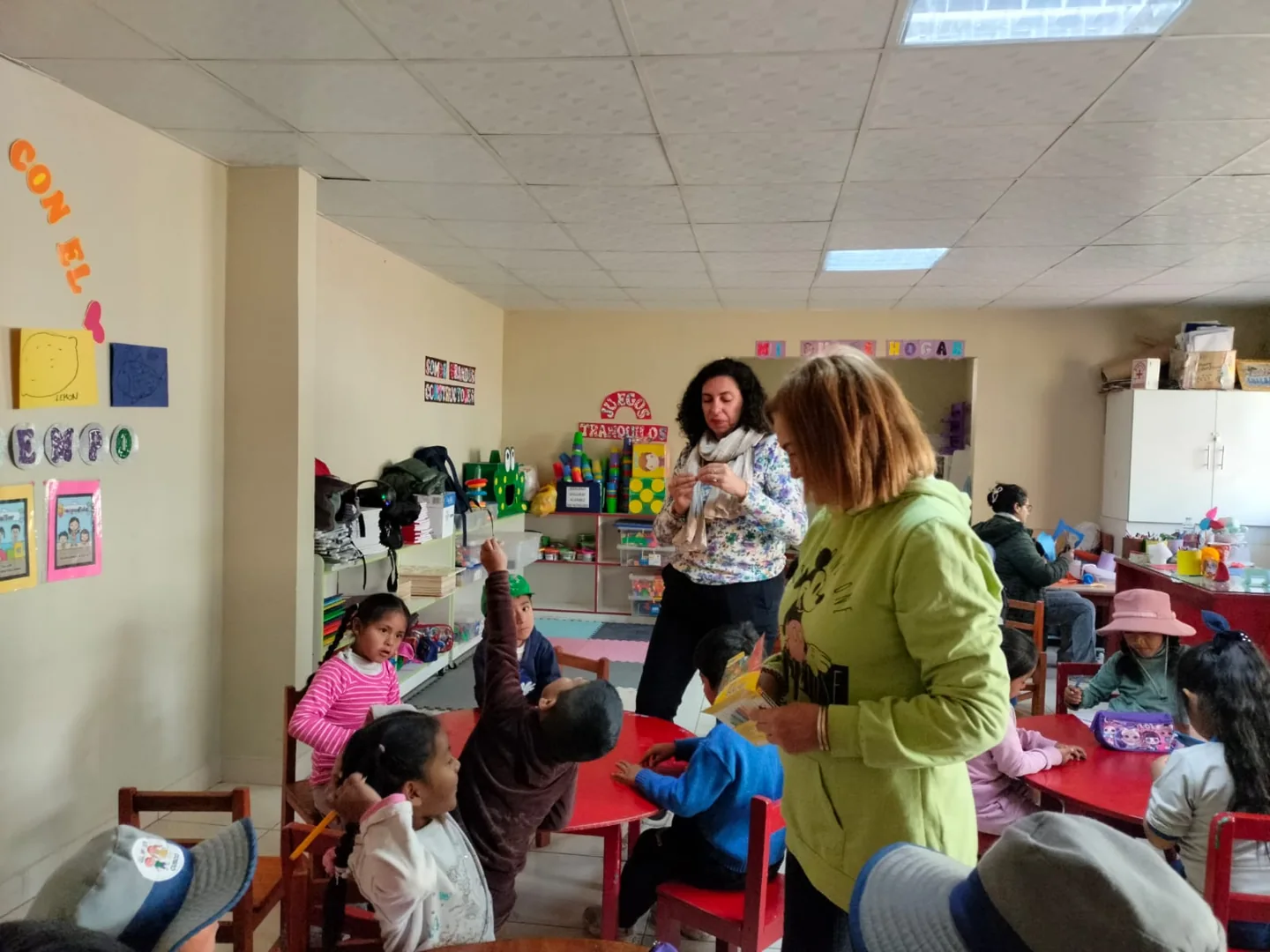
Volunteering programs in Cusco, Peru
Cusco combines Andean culture and historical surroundings with opportunities to support children's learning and creative development. Among the published options are school teaching support and Ruway Mano, an arts, music and sports placement.
For more background on the destination, read our complete volunteering guide to Cusco.
School teaching support
The public-school teaching placement in Cusco supports children aged approximately 3 to 12 at Patrón San Sebastián or Bolivariano schools.
Volunteers assist teachers and help children take part in educational and recreational activities. Your work supports the local team and responds to the needs of the classroom.
- School support: help with mathematics exercises and learning activities adapted to the children.
- Creative work: drawing, painting, modeling clay and other activities that encourage expression.
- Fine motor skills and concentration: worksheets, games and practical exercises.
- Basic English: support lessons using the school's teaching material, songs and poems.
- Educational games: group activities that encourage learning and participation.
- Friday workshops: help prepare an approximately one-hour group session with the coordinator's support.
You may also help prepare the classroom and support fundraising or communications activities, following the project's guidance and permissions.
The placement begins and ends in Cusco, with a two-week minimum. The practical information lists weekday sessions around 09:00–12:30 between March and December, while the daily description also mentions afternoon work. Confirm your assigned schedule and the school calendar before traveling.
Ruway Mano: creativity, art and sport
The arts, music and sports placement in Cusco, also described as “Making by Hand,” helps children explore their abilities through practical and creative activities.
Depending on your skills and the local team's priorities, activities can include:
- Music: assistance with guitar, saxophone, keyboard, violin and drums.
- English: support for lessons at different levels.
- Sport: football and volleyball activities for age groups ranging from under-8 to under-17.
- Cloth dolls: learning and sharing design, cutting, sewing, painting and assembly skills.
- Wooden toys: helping with sanding, assembling and painting small toys.
- Christmas cards: designing and making cards linked to the project's seasonal activities.
This option may suit volunteers with educational, artistic or sporting interests. Your tasks depend on the children's needs and the project calendar, so a particular workshop is not guaranteed on every placement.
The project is based at Casa de Voluntarios Patrón San Sebastián, in a neighborhood near central Cusco. It starts and ends in Cusco, has a two-week minimum and lists weekday activities around 15:00–17:30. Confirm dates and hours with the team.
Accommodation and meals in Cusco
The two listings describe a volunteer house or hostel near the city center, with shared rooms for up to two people. A single room may be available for an additional charge, subject to confirmation.
Three meals a day are included seven days a week, with local Peruvian food. Ask about the accommodation allocated to your dates, dietary needs and any room supplement before confirming your place.
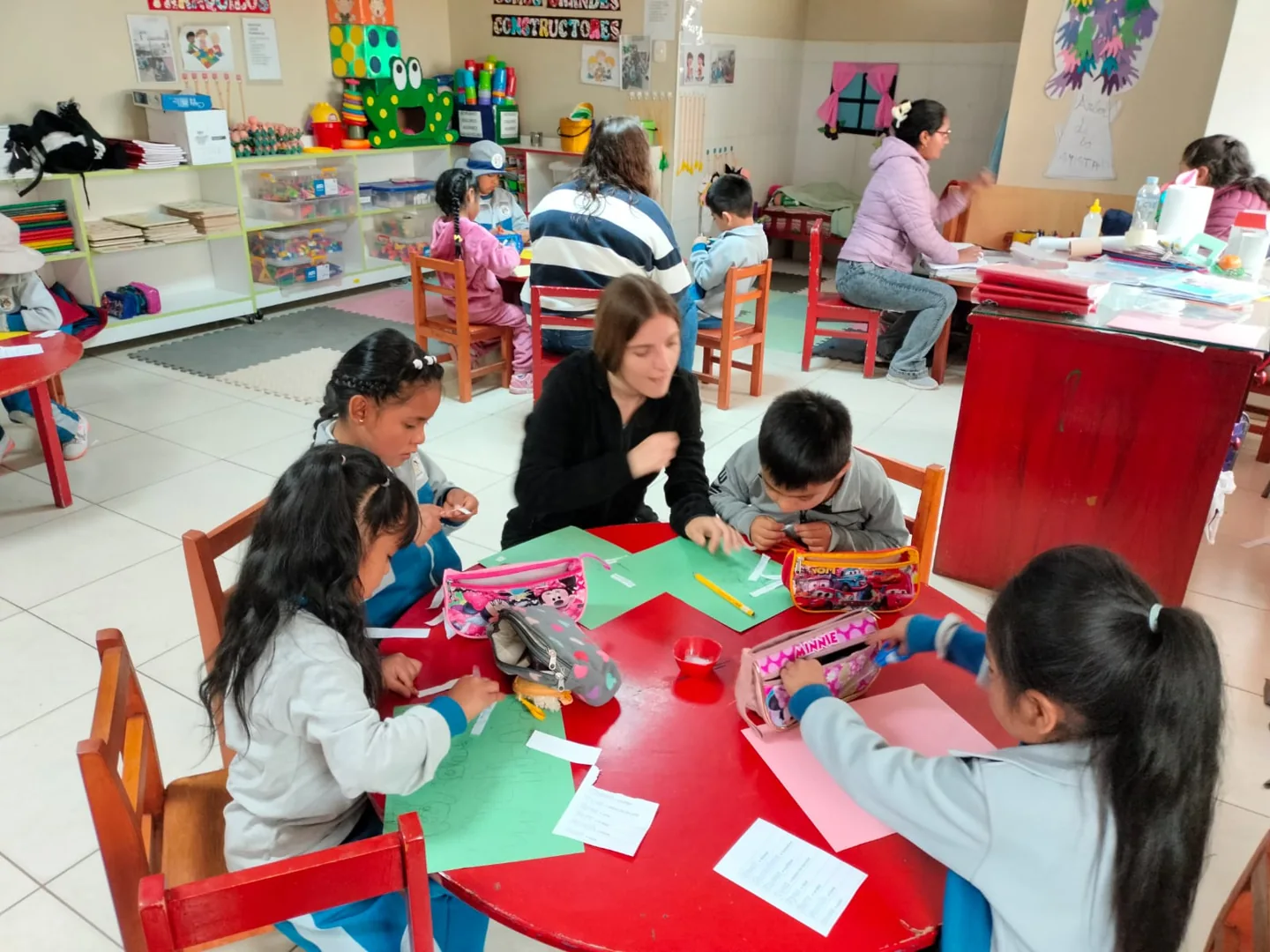
Volunteering programs in Cochabamba, Bolivia
CiENViDAS lists three relevant options in Cochabamba: the Tackoloma day-care and community project, Casa de la Amistad, and recreational support at the children's hospital. Each has different responsibilities, although all involve working alongside local teams to support children and adolescents.
Our complete guide to volunteering in Cochabamba provides further destination information.
Tackoloma day-care and community support
The teaching placement in Cochabamba takes place at Tackoloma or Mercado Campesino de Arocagua day centers. Activities include supporting children, particularly those aged 2 to 6, through early learning and play.
The project combines educational, recreational and community activities. Your contribution will depend on the center's priorities and your abilities.
- Early learning: stories, number games, play and other preschool activities.
- English: support for twice-weekly sessions using games and participation.
- Homework: encouragement and practical help with school tasks.
- Sport: physical activities that promote teamwork and confidence.
- Creative projects: music, drama, dance, painting and puppetry.
- Hygiene and nutrition education: assistance with activities led by the local team.
- Community work: initiatives such as gardens, cleaning, planting or infrastructure improvements, where appropriate to your role.
- Community meals: support for weekday lunch distribution for children and older people.
The placement starts and ends in Cochabamba and requires at least two weeks. Activities run on weekdays, with hours varying by task and center. Confirm the current timetable and arrival arrangements when applying.
Casa de la Amistad day center
Casa de la Amistad supports children and adolescents affected by difficult family circumstances, including parental imprisonment.
Established in 1994 through the initiative of missionary Dennis Shermann, the project describes an integrated approach involving education, food, health and psychological and spiritual support for children and their families. Ask the team about the center's current situation and needs instead of relying on a historical participant count.
Volunteers help with educational and recreational activities in coordination with local staff. The aim is to support learning and provide constructive shared activities within the center's existing work.
The placement begins and ends in Cochabamba, with a two-week minimum and weekday activities. Hours depend on the center's schedule. The listing requests basic English, so confirm the language requirements for your role.
Children's hospital support: Smile Therapy
The Smile Therapy placement takes place at Hospital del Niño Manuel Ascencio Villarroel in Cochabamba.
Volunteers provide companionship and recreational activities for hospitalized children and adolescents, working under the direction of hospital staff. Activities are adapted to the patients' circumstances and the hospital's instructions.
The listing describes coordination with staff in pediatrics, infectious diseases, oncology and burns services. Participation and access depend on the hospital's requirements and current arrangements.
This role involves games and companionship. It does not involve medical procedures or replacing healthcare professionals. Follow the responsible team's instructions throughout the placement.
The program starts and ends in Cochabamba, with a two-week minimum. The published activity period is approximately 15:00–17:00, Monday to Friday, subject to confirmation with the hospital and coordinator.
Accommodation and meals in Cochabamba
You stay in a volunteer house with shared rooms. The listings describe different room arrangements and a maximum of four people; confirm the actual occupancy for your stay. A private room may be available with a supplement.
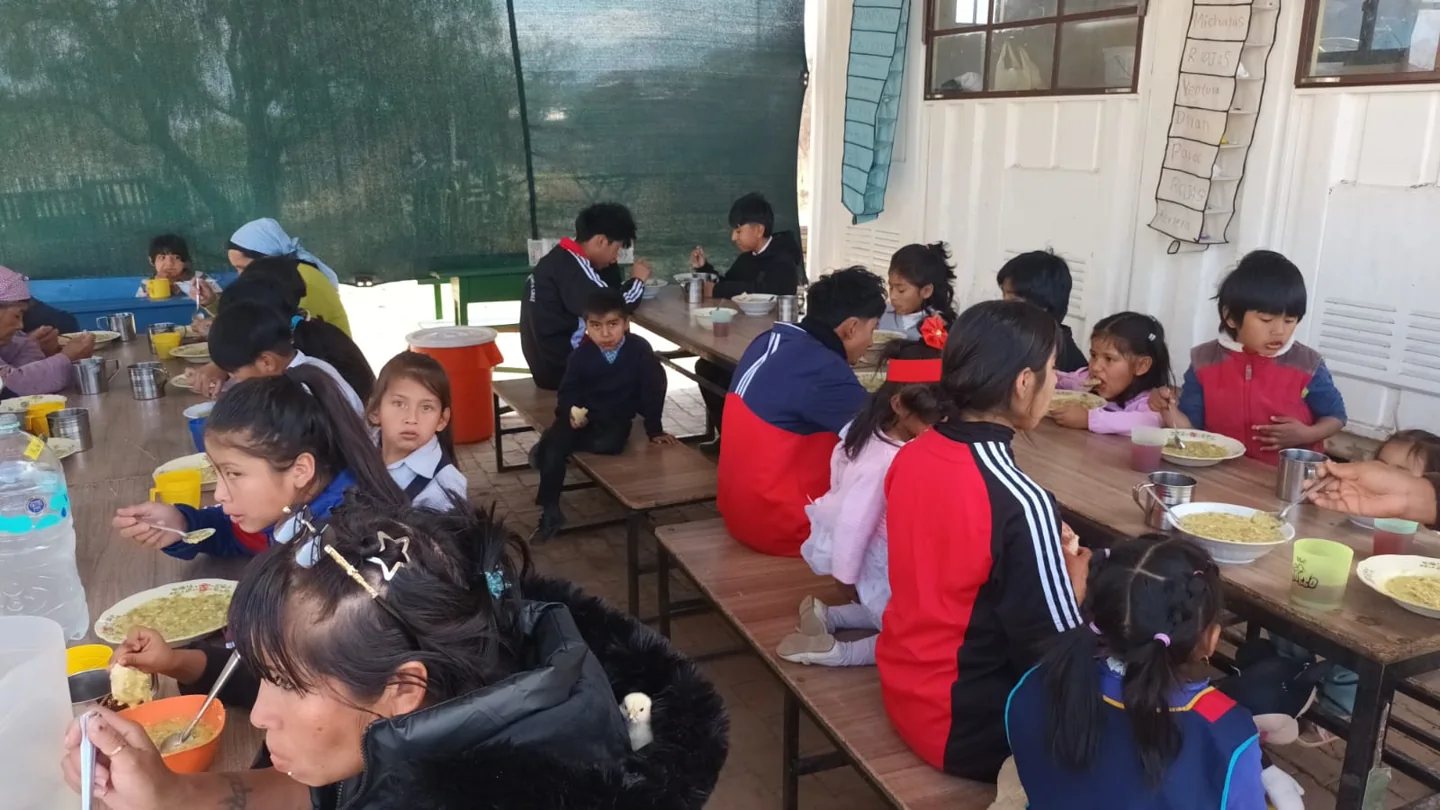
Published inclusions specify breakfast and lunch five days a week. You arrange dinner yourself and should also budget for meals on days not covered. A communal kitchen allows participants to prepare food.
Sharing the house provides opportunities to meet volunteers from different backgrounds, exchange recipes and learn from one another. Check the practical arrangements instead of assuming that every meal is included.
Profile, language, minimum stay and support
Professional experience is not generally required for these support roles. An interest in learning, reliability and the ability to work under local guidance are important.
Volunteer profile
- Plan for adult participation, normally from age 18; ask the team about any separate arrangements if relevant.
- You do not generally need a specific professional qualification for the educational and recreational roles described here.
- Be patient, responsible, adaptable and willing to take initiative within your assigned role.
- Respect local customs, families and the different circumstances of the children involved.
- Bring an interest in learning and sharing useful skills.
- Provide the criminal background certificate required for placements involving minors, together with the application documents requested by the team.
Experience in education, languages, music, sport or creative activities can be useful, although your tasks must follow the project team's needs and instructions.
Language
Spanish is the main language of local communication in both destinations. Some listings, including Casa de la Amistad, request basic English. Confirm both Spanish and English requirements for your chosen role before applying, especially if you do not speak Spanish.
Duration
The placements discussed here have a minimum stay of two weeks. If you have more time, ask about availability for a longer placement and the additional weekly fee.
Support
You have a local coordinator who helps you understand the project and practical arrangements. Establish your contact details and how to request assistance during your stay.
How much does volunteering in Peru or Bolivia cost?
The program fee is only one part of the trip budget. The listings checked on November 3, 2026 show the following amounts for two weeks; confirm the current fees for your dates before booking.
| Item | Peru: Cusco | Bolivia: Cochabamba |
|---|---|---|
| Base program fee | €490 | €250 |
| Project contribution | €200 | €200 |
| Program payment total | €690 | €450 |
The difference in these payments is €240. It is not the final difference between the trips, because flights, food exclusions and your personal arrangements also affect the budget.
Other expenses to allow for
- Flights: obtain a quote from your own departure airport for the confirmed arrival dates.
- Insurance: arrange suitable travel and medical cover for your circumstances and planned activities.
- Entry documentation: check official requirements for your nationality, destination and volunteering activity.
- Personal transport and spending: include optional travel, sightseeing, purchases and journeys outside the program arrangements.
- Uncovered food: in Cochabamba, budget for dinner and meals on days outside the published five-day coverage.
- Private accommodation: ask about any single-room supplement and availability.
Our guide to volunteering abroad costs and inclusions explains how to compare complete budgets. Ask for a current written breakdown before paying or arranging travel.
How to choose the right program
Choose the activity first, then check whether the destination's practical arrangements fit your time and budget.
Peru may suit you if you want to
- Support school learning for children aged approximately 3 to 12.
- Help with mathematics, English and classroom activities.
- Share useful artistic, musical or sporting skills.
- Stay in accommodation whose published inclusions cover three meals every day.
- Spend your placement in Cusco and learn about Andean culture.
Bolivia may suit you if you want to
- Support early learning and broader child-focused activities.
- Join educational or community initiatives led by local teams.
- Provide non-medical recreational support and companionship at a children's hospital, subject to its requirements.
- Consider a placement with a lower published base payment.
- Arrange your own dinner and meals outside the included days.
Whichever destination you choose, be realistic about the contribution you can make. Volunteering requires commitment, respect and a willingness to learn from the people who manage and participate in the project.
Frequently asked questions
Do I need previous volunteering experience?
Previous professional experience is not generally required for these support placements. Responsibility, patience and willingness to follow the local team's guidance matter. Confirm the requirements of your chosen project.
What is the minimum stay?
Two weeks for the Cusco and Cochabamba placements described in this comparison. Contact the team if you are considering a longer stay.
Can I choose my arrival date?
The listings indicate Friday or Saturday arrivals. Agree the day with the team and confirm places and project dates before buying flights.
Do I need to speak English or Spanish?
Spanish supports everyday communication in both destinations, and some projects request basic English. Confirm the language level needed for your tasks; do not assume that all placements have identical requirements.
Which destination has the lower program cost?
The cited two-week base fee plus contribution is €450 in Cochabamba and €690 in Cusco. These figures exclude flights, insurance and other separate costs. Check current fees and compare full budgets before deciding.
Are food and accommodation included?
Yes, with different arrangements. Cusco listings describe a volunteer house or hostel and three meals a day, seven days a week. Cochabamba includes a volunteer house with breakfast and lunch five days a week, leaving dinner and uncovered-day meals for you to arrange.
Can I join if I travel alone?
Yes. You do not need to bring a companion. The placements have shared accommodation and local coordination, although the number of other volunteers present depends on your dates.
What documents do I need to work with children?
A criminal background certificate is required for the placements involving minors. Confirm the other application documents and check official entry and stay requirements for your nationality and activities.
Compare the available volunteering programs in Peru and placements in Bolivia, then contact CiENViDAS to discuss the project, dates and current conditions that fit your plans.