India is one of the most important destinations for the CiENViDAS Foundation. It was the first country where we began our work and it is home to some of the projects that best represent us, including our school in Jaipur, where more than 100 children receive free education.
Over the years, we have developed volunteer programs in Jaipur, Kolkata, Varanasi, Kerala and New Delhi, always in partnership with local organizations working to improve educational and social opportunities in their communities.
Volunteering in India is an opportunity to experience another culture, support community-led projects and discover new ways of understanding education and social commitment. It also requires preparation, respect for local customs and a willingness to learn. This guide explains which programs are available, what profile each one requires, how long you can participate and what to prepare before travelling.
Volunteer programs in India
CiENViDAS offers programs focused mainly on education, health, sports, the empowerment of girls and women, support in child-care organizations and improvements to community spaces. Most are based in Jaipur, where we run our own school and partner with organizations supporting people in vulnerable situations.
Every program has different goals and activities. Before choosing, consider your interests, qualifications, availability and the project’s actual needs on your intended dates.
Teaching and educational support in Jaipur
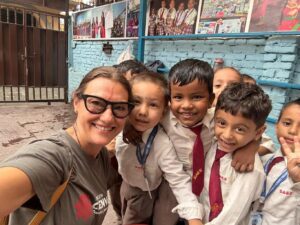
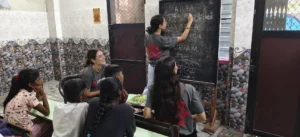
The teaching program takes place at our Dream School in Jaipur, where more than 100 children receive free education and around 80% of the students are girls. Volunteers support local teachers with participatory activities, games, arts and crafts and exercises adapted to the students’ level.
The aim is to reinforce learning and help children develop their abilities in a stimulating environment. You do not need to be a qualified teacher, although educational experience is useful. Creativity, patience, teamwork and an ability to adapt to the local context are essential.
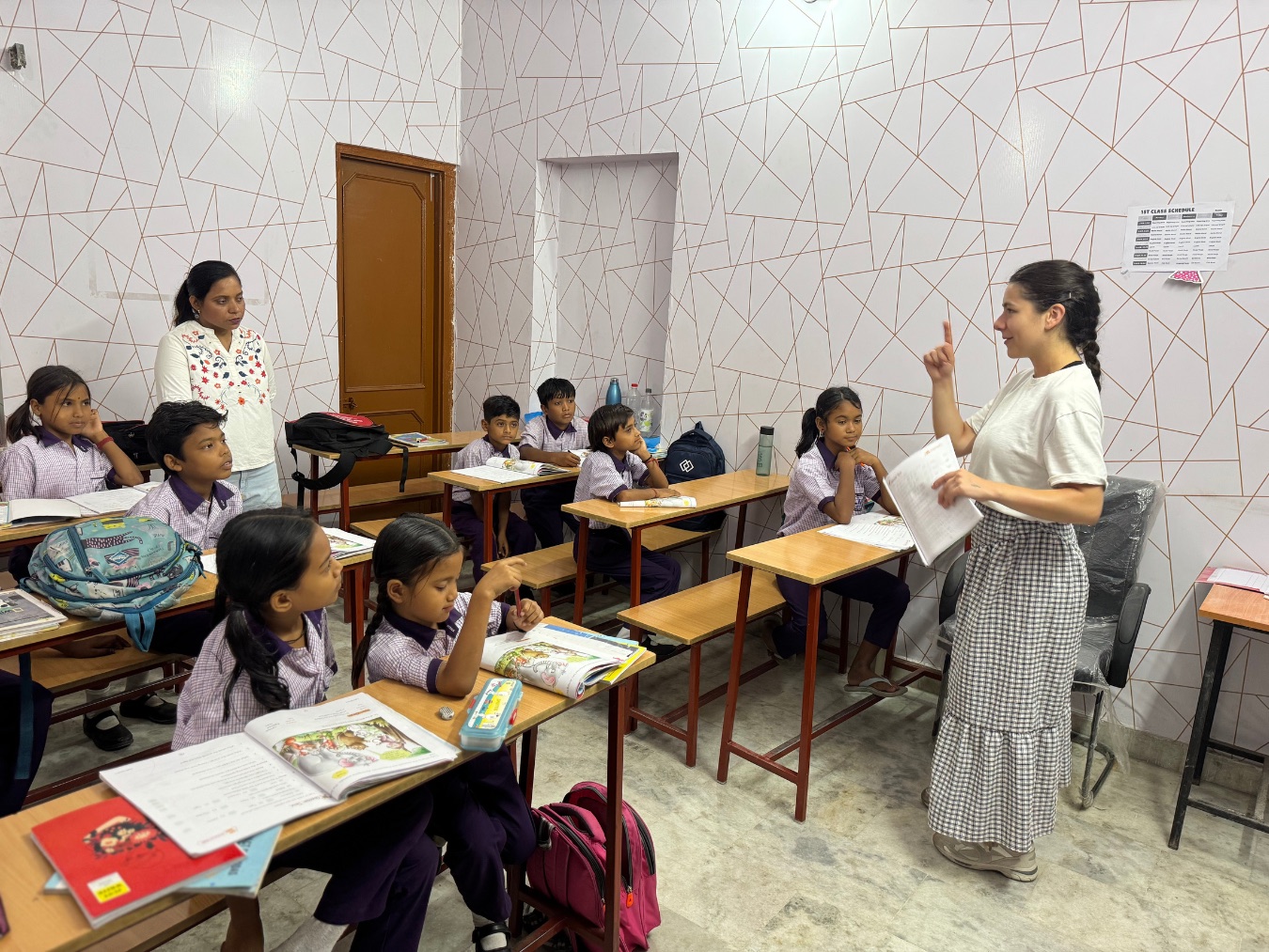
See the teaching program at the CiENViDAS school in Jaipur.
Supervised medicine and health volunteering
This program is intended for healthcare professionals and medical students who meet the stated requirements. In Jaipur, we work with small clinics serving people who face barriers to healthcare.
Tasks depend on the needs of the center, the participant’s training and authorization from the responsible staff. Any clinical activity must remain within the applicable professional and legal boundaries, under supervision and with the safeguards needed to protect patients. This is not an opportunity to practise independently in a foreign health system, but to collaborate and learn alongside local professionals.
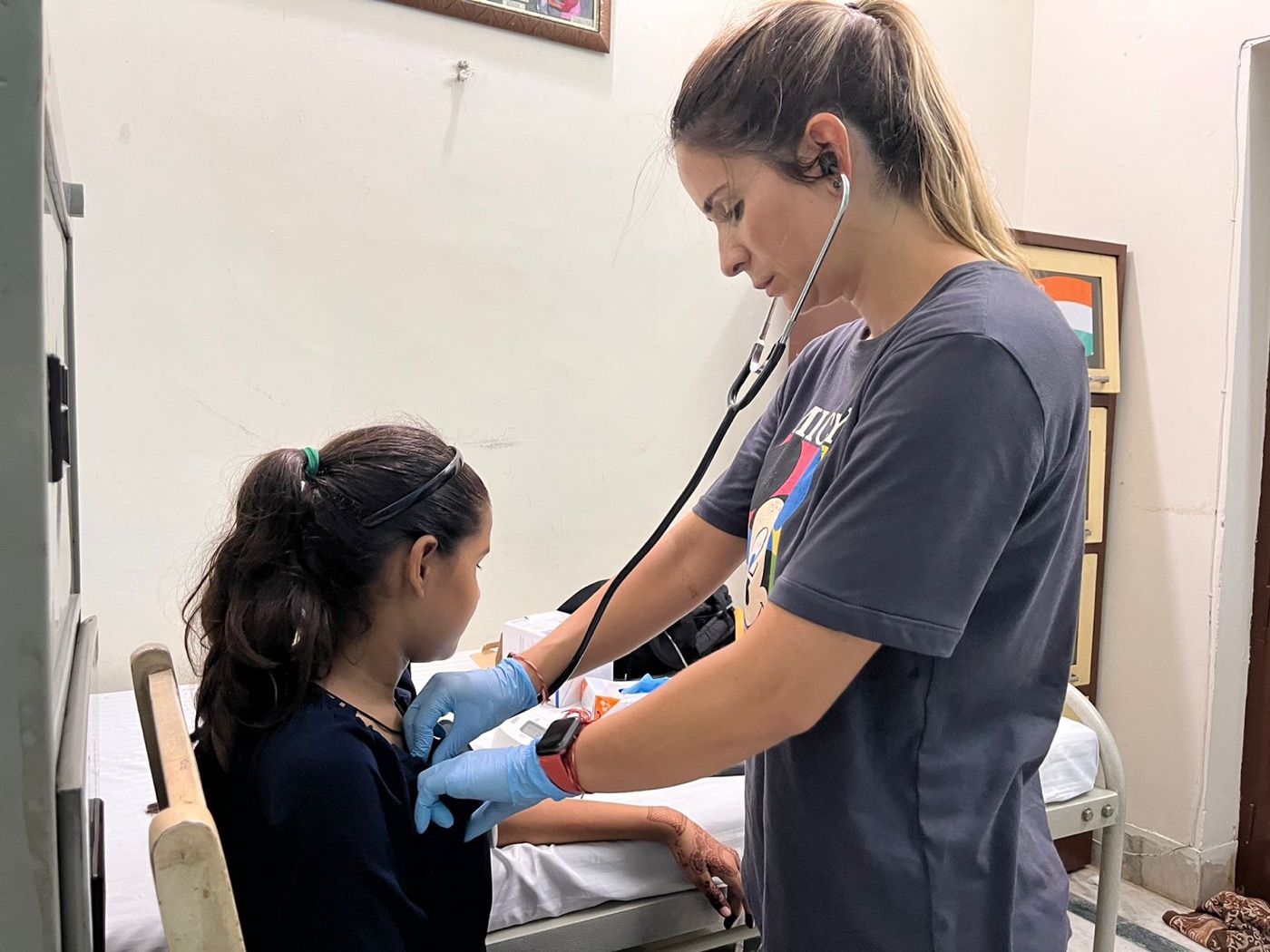
Review the requirements for the Medicine and Health program in Jaipur.
Sports and recreational activities
Sports can improve physical fitness and emotional wellbeing while developing cooperation, leadership, discipline and respect. Volunteers can support activities adapted to the participants’ ages, abilities and available resources, including football, volleyball, badminton, martial arts or running. It is also a chance to discover sports that are part of everyday life in India, such as cricket.
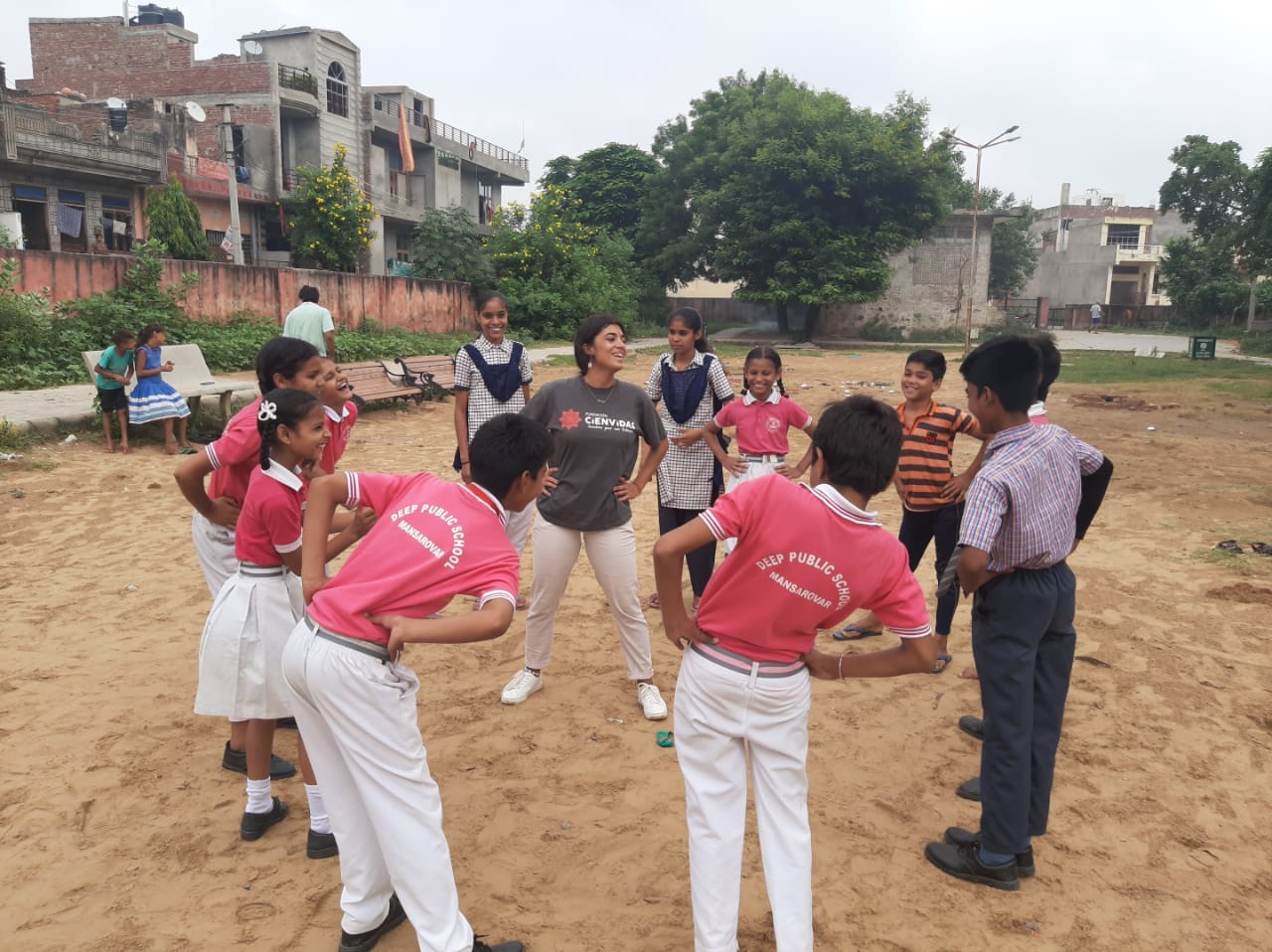
Explore the Sports and Physical Education program in Jaipur.
Women and girls’ empowerment
CiENViDAS partners with organizations in Jaipur that expand educational, vocational and social opportunities for girls and women facing economic or social barriers. Activities may include practical workshops, educational support and awareness sessions focused on rights, equal opportunity and personal autonomy.
Volunteers take part in activities agreed with local organizations and follow their methods and the participants’ needs. The purpose is to contribute to long-term opportunities, not to replace the professionals who already support these communities.
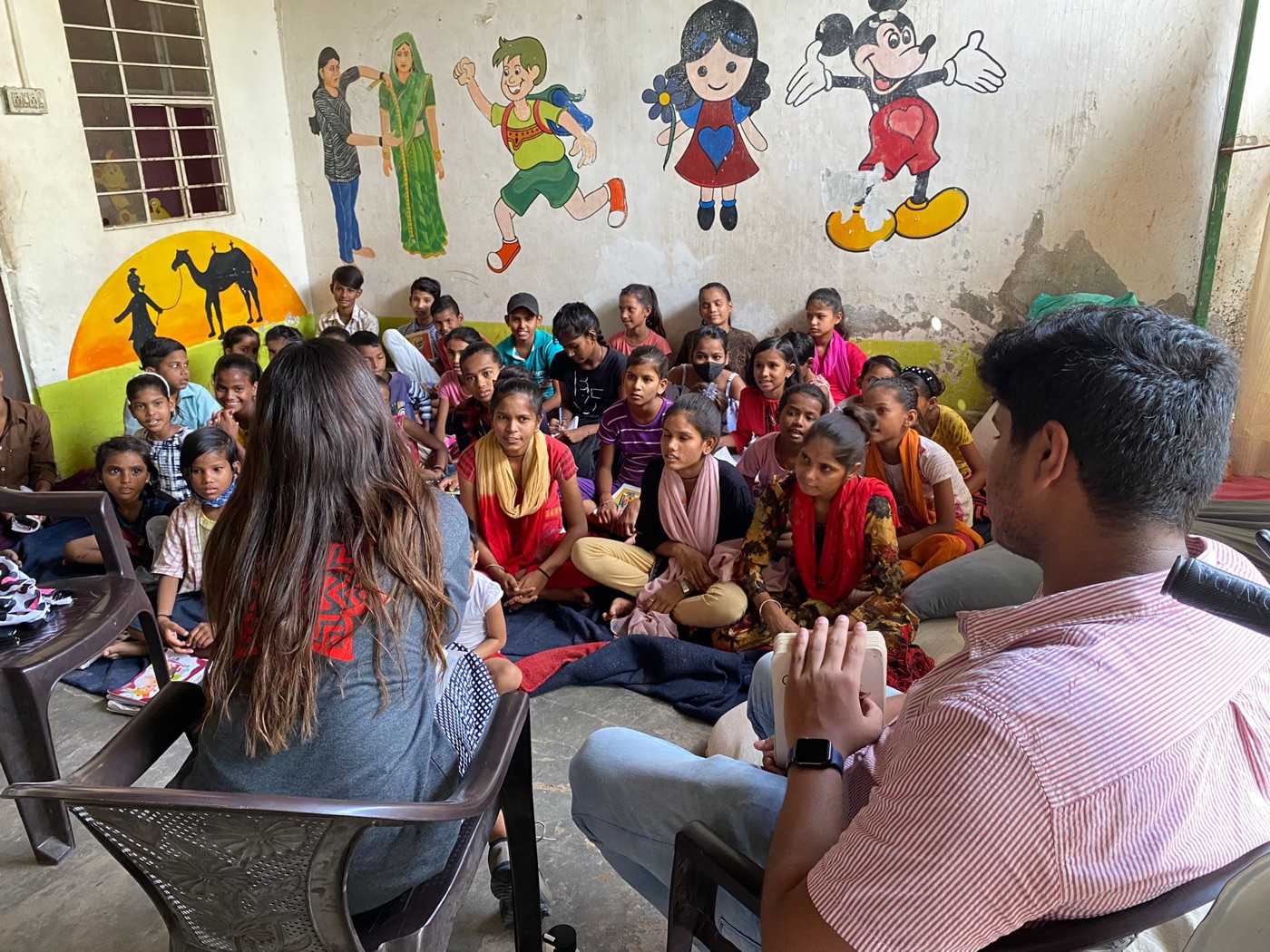
Learn about the Women and Girls’ Empowerment program in Jaipur.
Supporting Aashray
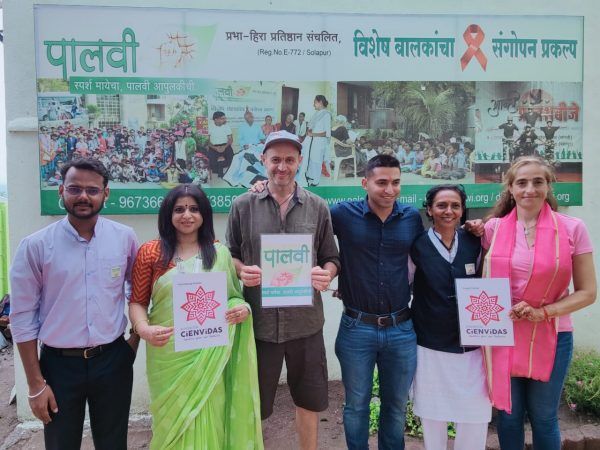
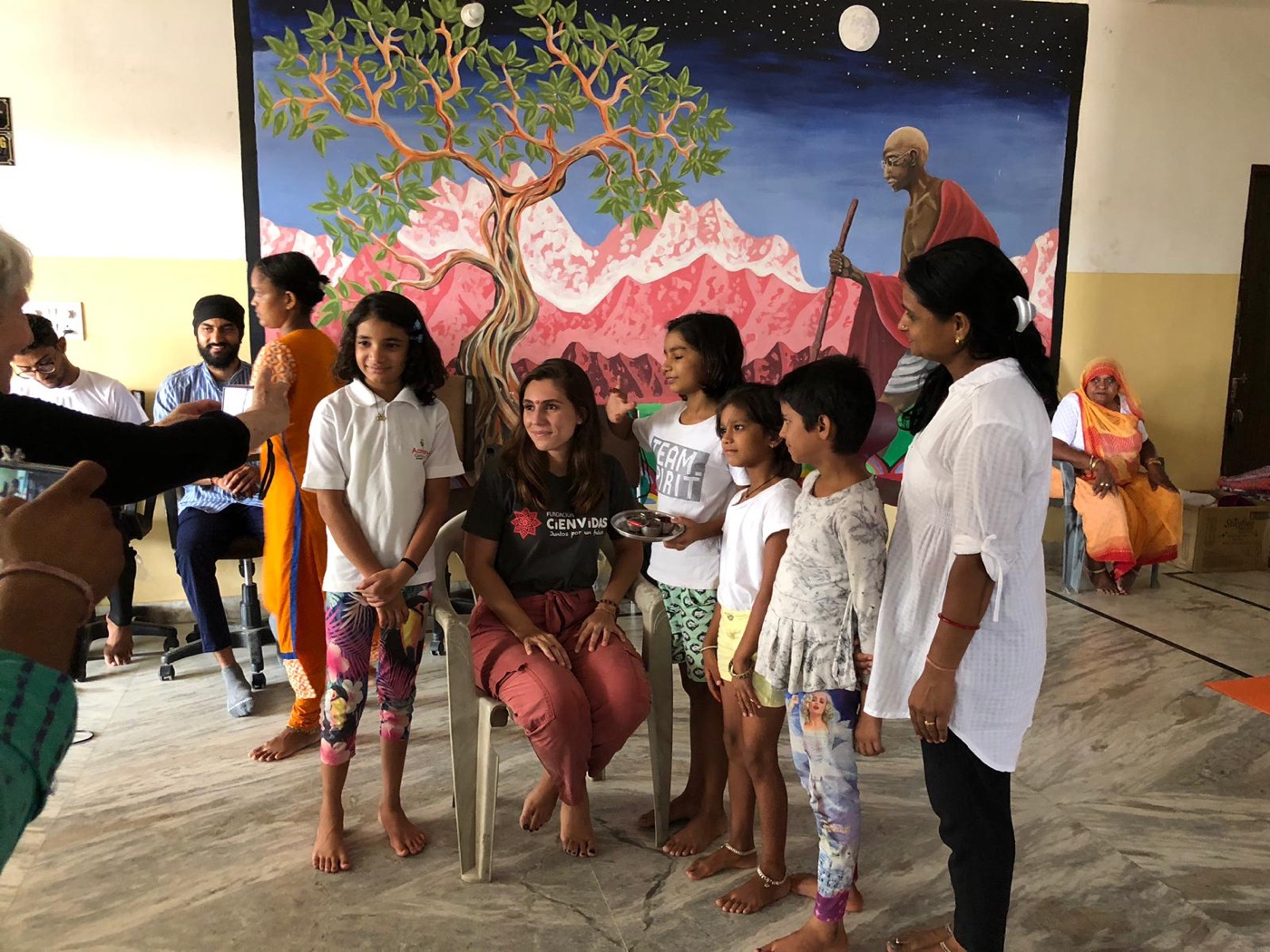
There are also opportunities to support centers such as Aashray, a CiENViDAS partner organization in Jaipur. Volunteering can focus on educational, recreational and companionship activities, always according to the center’s needs and child-protection procedures.
Some children supported by organizations of this kind live with HIV and may face stigma associated with the condition. HIV is not transmitted through everyday contact such as playing, sharing a room or hugging. Accurate information, respect and the rejection of prejudice are fundamental. Volunteers must protect children’s privacy and follow the local team’s guidance at all times.
See the program supporting Aashray in Jaipur.
Renovation and decoration
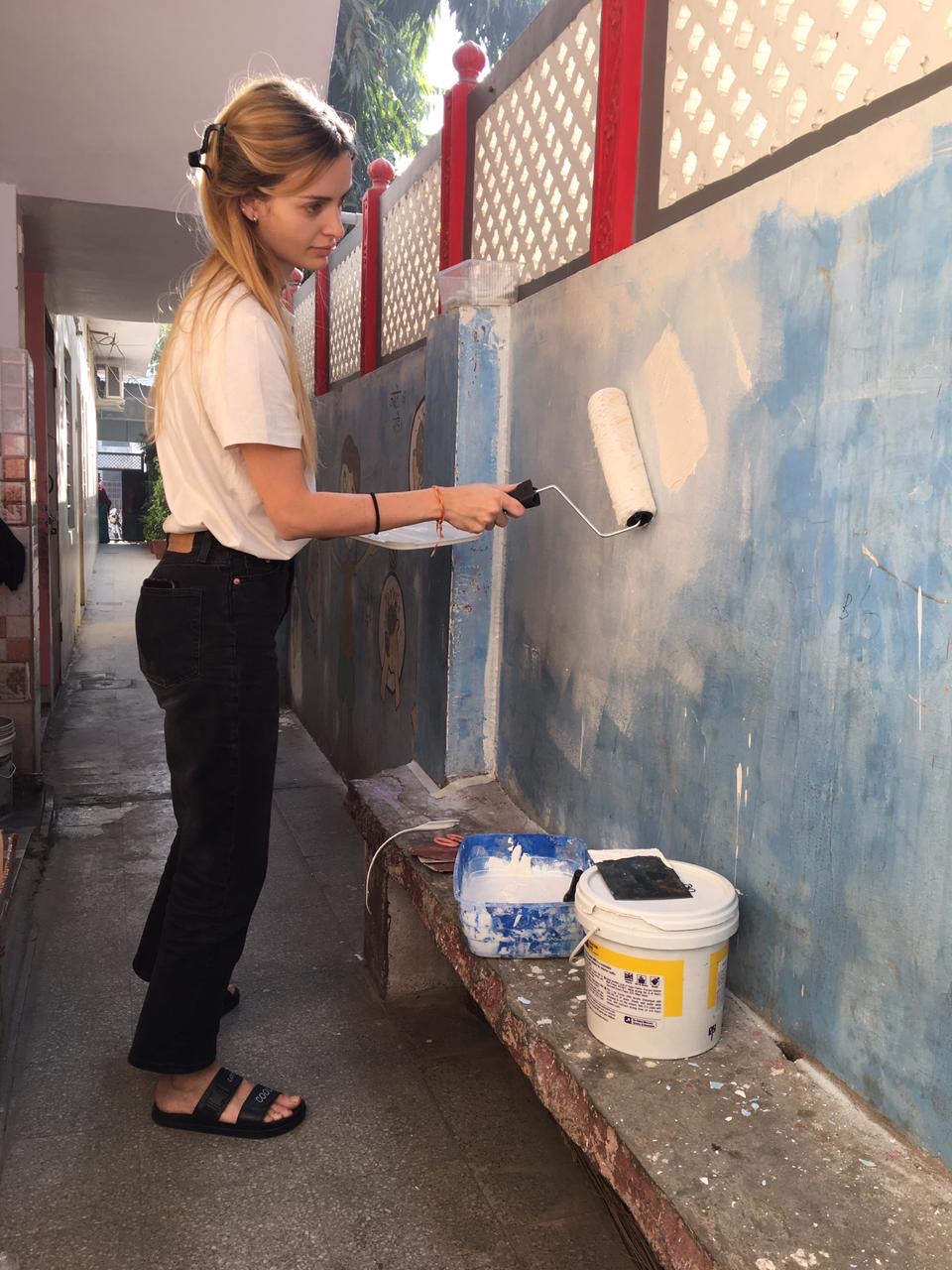
Some projects include improvements to schools and other community spaces. Tasks may involve painting walls, decorating classrooms and creating visual materials to make learning environments more welcoming and stimulating.
Each activity is defined by genuine project needs, the materials available and guidance from local managers. Any work must be authorized and comply with the site’s safety conditions.
More about the Renovation and Decoration program.
Important: availability changes with dates, agreements with partner organizations and community needs. Always confirm which programs are active with CiENViDAS before booking your trip.
What profile does each program require?
Most programs do not require a specific qualification. In educational, sports and recreational activities, motivation, responsibility and adaptability often matter more. Other projects do have particular requirements:
- Teaching: teacher training is not essential, but educational skills, creativity and experience with children are valued.
- Medicine and health: intended for professionals and final-year medical students, subject to the current program requirements.
- Sports: knowledge of a sport or experience leading group activities is useful.
- Empowerment: communication skills, social awareness, initiative and respect are valued.
- Aashray: maturity, patience, responsibility and particular sensitivity to child protection are essential.
- Renovation: practical skills, creativity and a willingness to carry out hands-on tasks are helpful.
In every program, participants must remain respectful and flexible and follow the guidance of local coordinators and professionals.
Tasks and boundaries
Joining a social project does not mean taking on any task or acting without guidance. Activities are organized around the chosen program, each volunteer’s abilities and instructions from local partners. Typical tasks include:
- Preparing materials and supporting educational activities.
- Helping with games, group dynamics and sports.
- Taking part in workshops and awareness activities.
- Supporting authorized improvements to community spaces.
- Assisting with activities approved by each center’s managers.
Volunteers must not replace local jobs, carry out healthcare procedures for which they are not authorized or assume responsibilities reserved for qualified professionals. When working with children or vulnerable people, privacy, dignity and safety come first. Follow the center’s rules and obtain permission before taking or sharing photographs.
The goal is not to arrive with ready-made solutions. It is to collaborate respectfully, learn from the people already working locally and contribute to the project’s genuine objectives.
Duration, accommodation and local support
How long does volunteering in India last?
Duration depends on the program. Many require a minimum stay of two weeks, while shorter experiences are also available, such as the 7-day Essential India program or the 11-day India Experience, which runs on specific dates. Confirm the conditions before booking flights.
What is the accommodation like?
Volunteer accommodation usually includes shared bedrooms and communal areas such as a kitchen and living room. These are simple, functional spaces designed to cover basic needs and provide practical access to the projects. Exact arrangements vary by program and dates and should be confirmed before travel.
Is local support available?
Yes. Local coordinators help participants become familiar with the surroundings and activities and explain guidance from the project team. This support does not replace personal responsibility: every volunteer must follow safety advice, respect agreed rules and communicate openly with the team.
Visa, health, insurance and preparation
Which visa do I need?
The answer depends on your nationality, the length of your stay and the planned activities. The official Indian Visa Online portal states that an e-Visa may cover unpaid short-term voluntary work for up to one month and requests a letter from the organization. However, the appropriate route can vary from one case to another. Confirm your program details with CiENViDAS and check the latest official rules before applying.
Also check passport-validity rules, whether your nationality is eligible and which supporting documents are required. Do not make travel decisions based only on blogs or third-party agencies.
Vaccines and health precautions
Contact a travel-health or vaccination clinic well before departure. Advice varies according to the season, length of stay, planned activities and your medical history. Review precautions for food and water, mosquitoes, heat and hygiene, and carry personal medication in its original packaging.
Travel insurance
It is essential to have insurance appropriate for the stay and activities. Check that it covers overseas medical assistance, hospitalization and repatriation, as well as any additional coverage required by the program. Keep contact details and copies of important documents accessible.
Cultural and practical preparation
Learn about local customs and social norms, pack comfortable clothing that respects the local context and check the weather for your travel dates. An open mindset and an understanding that schedules and working methods may differ will make adaptation easier.
Speak to the CiENViDAS team before travelling to clarify activities, accommodation and transfers. You can also read our detailed guide on preparing a volunteer trip to India.
When to travel to Jaipur
You can visit Jaipur throughout the year, but the weather affects comfort and outdoor activities:
- October to March: usually the most comfortable period, with milder temperatures.
- April to June: temperatures can be very high; frequent hydration and avoiding prolonged midday sun are essential.
- July to September: the monsoon can affect travel and some activities.
The best time also depends on each project’s calendar. Check availability with CiENViDAS before organizing your trip.
How to choose your program and request information
Consider your interests, background, available time and preferred activities. If you enjoy working with children, educational support may suit you. If you have healthcare training, review the medicine and health requirements. If you prefer physical or creative activities, consider sports or renovation.
It is also important to consider the length of your stay, departure dates, accommodation conditions and the country’s entry requirements.
At the CiENViDAS Foundation, we can help you understand the available alternatives and guide you towards the program that best suits your profile.
If you would like more information, you can write to us on WhatsApp or complete one of the forms available on our website. Our team will help answer your questions and explain the next steps for preparing your experience.
Would you like to experience volunteering in India?
Learn about our programs and discover how you can collaborate with local communities, learn from other cultures and contribute to projects working to create opportunities.
Your participation can be an opportunity to share knowledge, build relationships and learn alongside the people involved in each project.