Every year, thousands of people look to support an international cooperation NGO through donations, volunteering or charitable action. Yet a common question comes up: how do you know whether an organization is truly reliable and transparent?
Choosing well matters not only to make sure resources reach the people who need them most, but also to ensure the impact created is real and sustainable. In this article we explain what defines a trustworthy NGO, what to look at before getting involved, and the signs that distinguish a transparent organization.
Why choosing well matters
International cooperation NGOs work in areas as diverse as education, health, access to clean water, community development and child protection. Their work can transform lives and create opportunities in vulnerable communities around the world.
However, not all organizations operate the same way. Choosing a transparent, committed entity allows you to:
- Make sure contributions are used properly.
- Understand the real impact of the projects.
- Support sustainable, long-term initiatives.
- Encourage responsible management of resources.
- Build trust among beneficiaries, volunteers and supporters.
That’s why, before donating or joining an international volunteering program, it’s worth taking a few minutes to get to know the organization better. If you’re still unsure which form of support to choose, read our article on the differences between sponsoring, donating and becoming an NGO member.
Signs of a transparent NGO
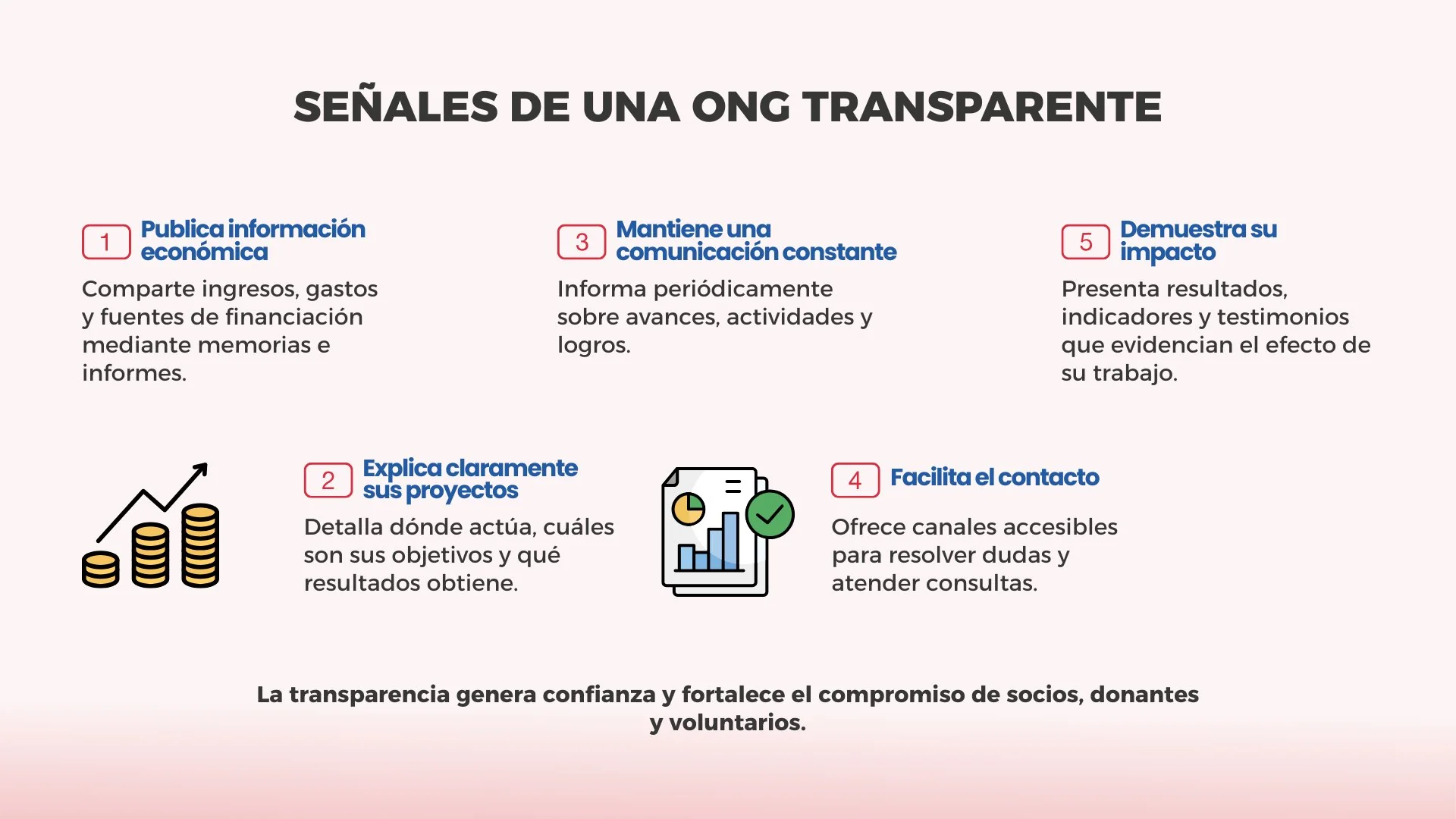
Transparent NGOs share a number of traits that make it easy for members, donors and volunteers to trust them.
They publish financial information
A transparent organization reports its income, expenses and funding sources. This information is usually found in annual reports or activity reports.
They explain their projects clearly
It’s important for the NGO to spell out where it works, what goals it pursues and what results it has achieved.
They communicate consistently
Committed organizations regularly share news, progress and testimonials from their projects.
They make it easy to get in touch
A reliable NGO offers clear channels of communication to answer questions from supporters and volunteers.
They show the impact of their work
Beyond good intentions, an organization should be able to demonstrate the results of its actions through indicators, reports or testimonials from the communities it serves.
Certifications and quality seals
Some NGOs hold certifications or adhere to codes of conduct that reinforce their commitment to transparency and good practice.
Among the aspects that can build trust are:
- Compliance with the applicable laws for non-profit entities.
- Regular publication of activity reports.
- External audits where appropriate.
- Adherence to ethical and good-governance codes.
- Participation in recognized cooperation networks and platforms.
While holding these seals isn’t the only indicator of quality, it can be an additional factor to consider when evaluating an organization.
What to ask before getting involved
Before making a donation or signing up for a volunteering project, it’s worth asking a few basic questions:
- What projects is the organization currently running?
- Which countries or communities does it work in?
- How are its activities funded?
- What results has it achieved in recent years?
- How are donations managed?
- What training or support do volunteers receive?
- How is the impact of the projects measured?
A serious NGO will answer these questions clearly and transparently.
Red flags: unreliable NGOs
There are some warning signs that may point to a lack of transparency or poor management.
Lack of public information
If it’s hard to find information about the organization’s projects, leaders or activities, it’s worth digging deeper before getting involved.
Unrealistic promises
Responsible NGOs communicate concrete, verifiable results. Exaggerated or hard-to-believe claims should be treated with caution.
No financial data
An organization that doesn’t report how it uses its resources raises reasonable doubts about its management.
Poor communication
Failing to respond to inquiries or rarely updating information can be a sign of disorganization or a lack of transparency.
Little evidence of impact
If there are no testimonials, reports or evidence of the work done, it’s harder to assess how effective the organization is.
CiENViDAS: our transparency
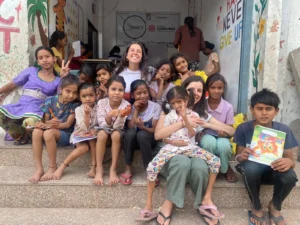
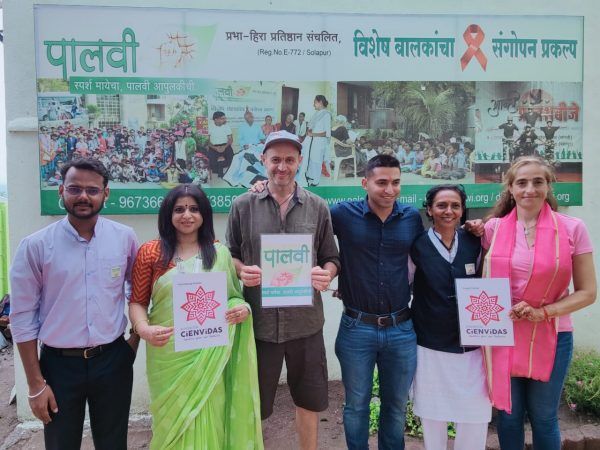
At CiENViDAS we believe trust is built on facts and clear information. That’s why we work to make sure our volunteers, partners and donors know first-hand the projects they support and the impact they create.
Our work is built on closeness to the communities, collaboration with local partners and a commitment to offering responsible, life-changing volunteering experiences. We are committed to open communication, showcasing our projects, activities and results so everyone can see how they help improve the lives of those who need it most. Beyond volunteering, you can also help by sponsoring a girl in India or Bolivia.
Because international cooperation isn’t only about helping — it’s about building relationships of trust, respect and transparency that make lasting change possible.
Conclusion
Choosing an international cooperation NGO is a decision worth thinking through. Looking at an organization’s transparency, experience, communication and impact helps ensure your support has the greatest possible effect.
The best NGOs are those that work responsibly, account for their activity and keep a real commitment to the communities they support. Getting informed before you get involved is the first step to being part of positive, sustainable change. If you’d like to learn more about CiENViDAS projects, get in touch and we’ll tell you more, no strings attached.