Would you like to travel, get to know a new culture and, at the same time, do something with a positive impact on other people’s lives? For many young people, international volunteering has become a different way of experiencing life abroad.
More and more people under 30 are choosing to dedicate part of their holidays, their studies, or a gap period in their lives to collaborating with a social project. And it’s not just a perception. According to recent data from Spain’s Volunteering Platform, 14.8% of young people aged 14 to 24 volunteered during 2025, compared to 10.5% of the general population. In addition, 38% of young volunteers had been volunteering for less than a year, which reflects new generations arriving to the world of volunteering.
At Fundación CiENViDAS we see this every day too. The average age of our volunteers is around 22 and 23 years old, especially among those taking on their first international volunteering experience.
And since last week, August 12th, was International Youth Day, we want to talk precisely about them: about the young people who dare to step out of their routine, travel far, and discover that helping others can also change the way they see the world.
Why are more and more young people volunteering?
There are many reasons why a young person decides to volunteer. For some it’s the chance to travel in a different way; for others, the possibility of getting to know a culture from the inside, not just as a tourist.
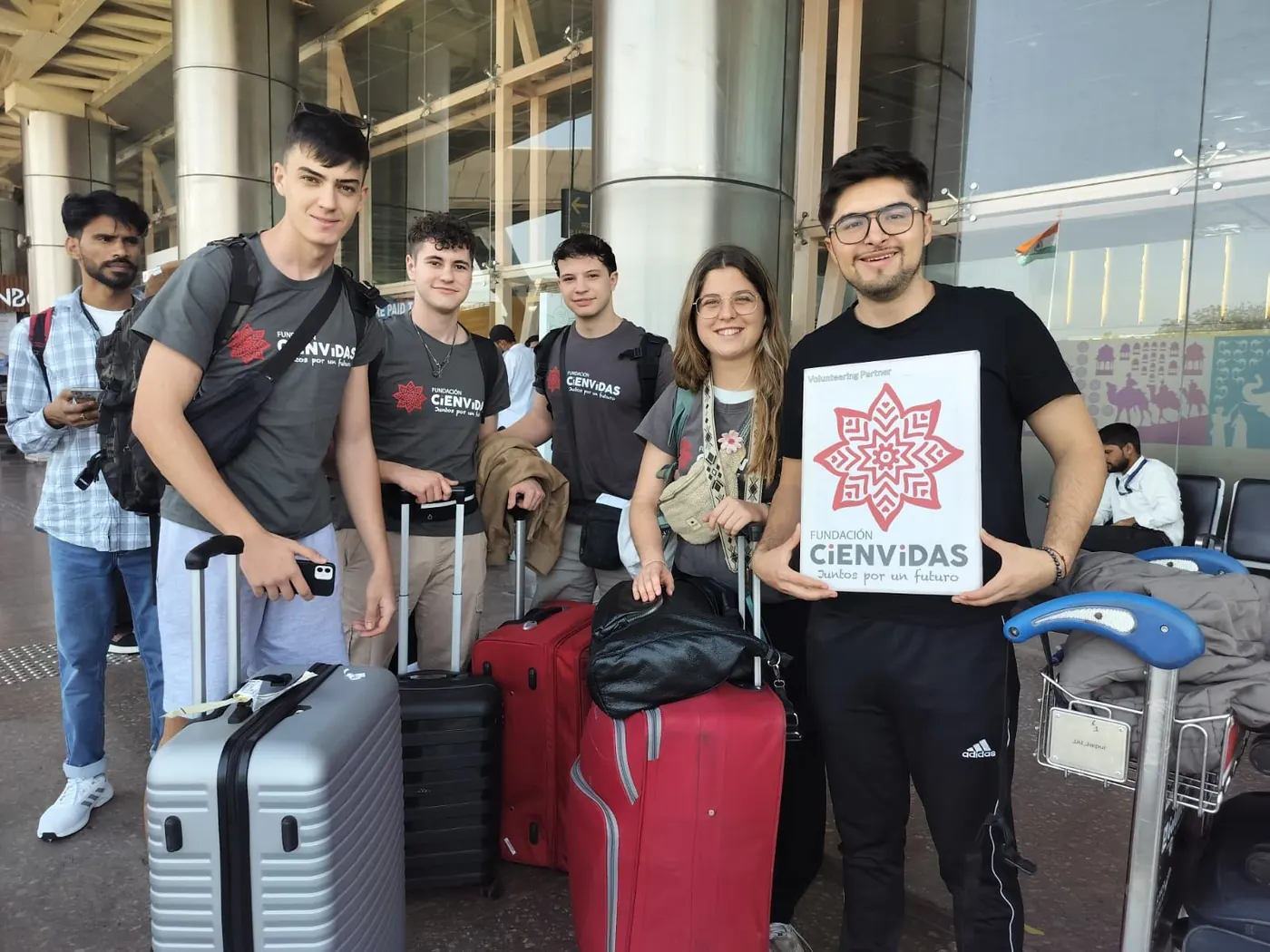
There’s also a growing motivation to make time meaningful. Instead of simply visiting a destination, many young people look for an experience that lets them connect with people, share their knowledge, and learn from a reality different from their own.
The data shows that young people’s interest in solidarity is significant. In Spain, almost 15% of people aged 14 to 24 volunteered during 2025. Moreover, among young people who don’t take part in volunteering, one of the main barriers is precisely a lack of awareness or references.
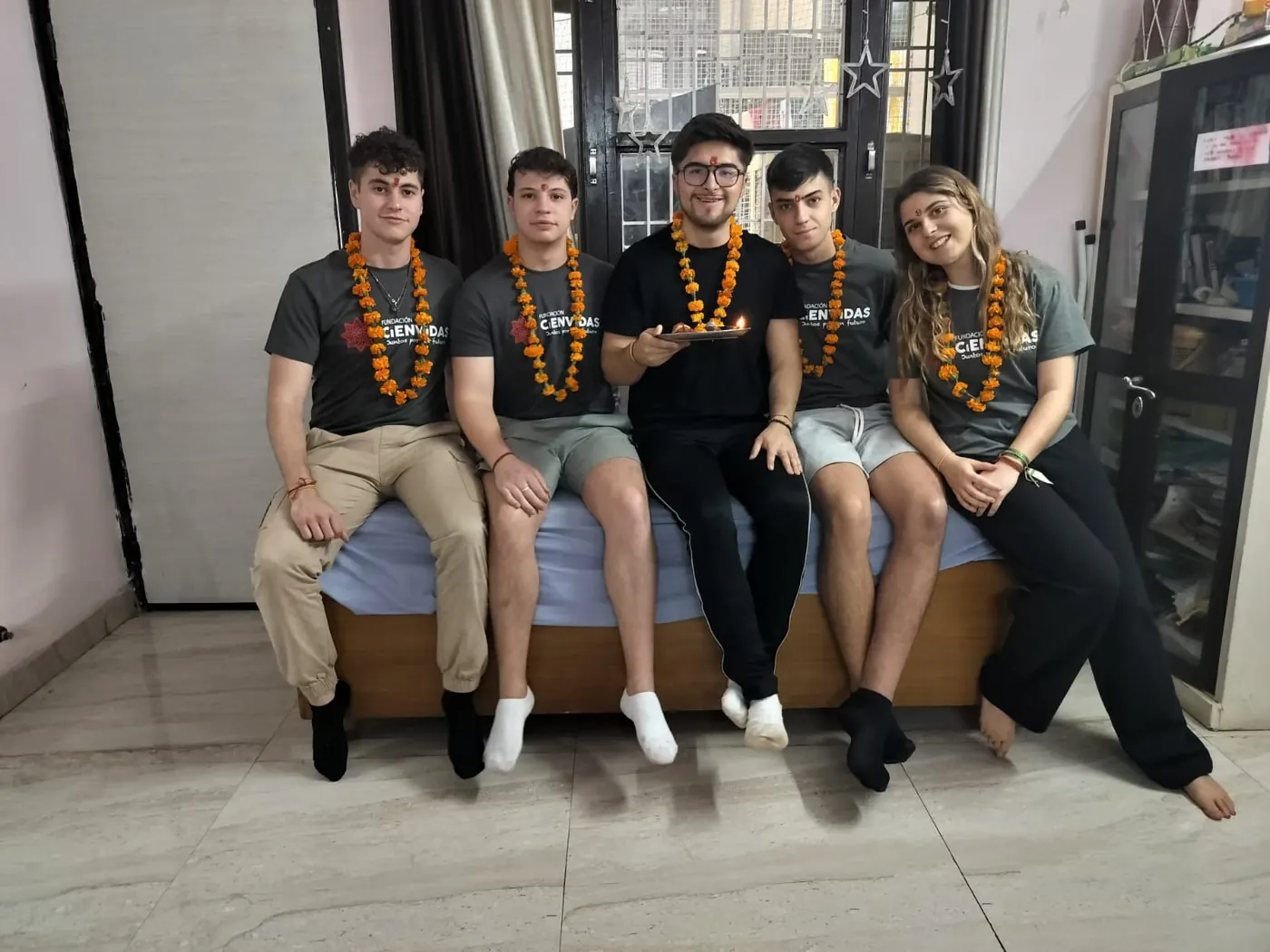
That’s why hearing about other young people’s experiences, reading testimonials, and knowing what a program is really like can be the push many people need to take the first step.
What does volunteering bring to your personal and professional growth?
Volunteering doesn’t just mean helping. It also means learning.
During an international experience you may find yourself in situations that require you to communicate with different people, adapt to new circumstances, organize your time, and solve everyday problems.
All of this helps develop skills that can also be useful in a professional setting:
- Adaptability: learning to navigate new environments.
- Communication: connecting with people of different ages and cultures.
- Teamwork: collaborating with other volunteers and coordinators.
- Responsibility: following through on tasks and commitments.
- Empathy: understanding other realities from a closer perspective.
- Autonomy: making decisions and getting by outside your usual environment.
- Handling new situations: learning to stay calm and find solutions.
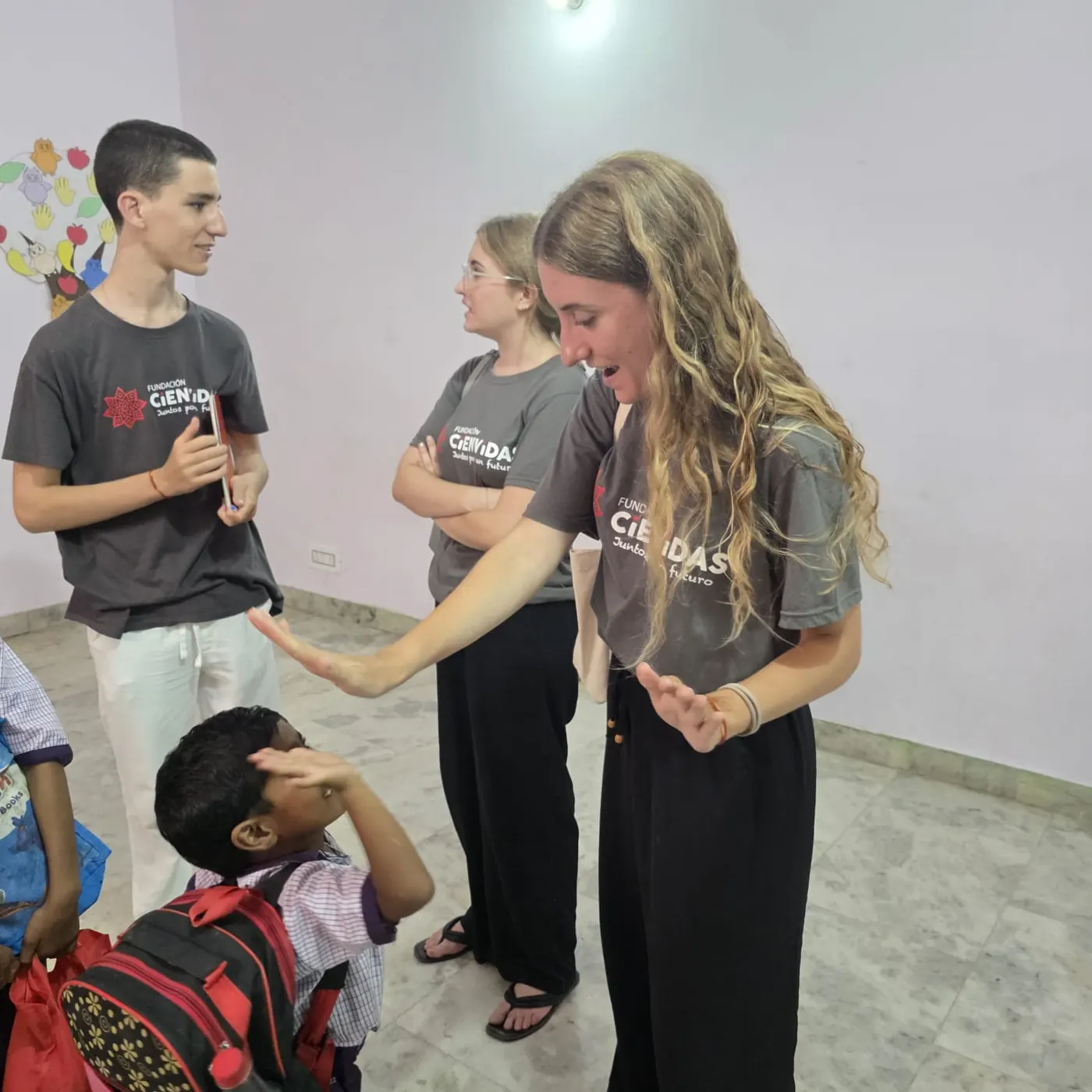
But perhaps one of the biggest lessons is discovering abilities you didn’t know you had.
You don’t need a specific degree or to be an expert to volunteer. What matters is being willing to learn, respecting the community, and wanting to help.
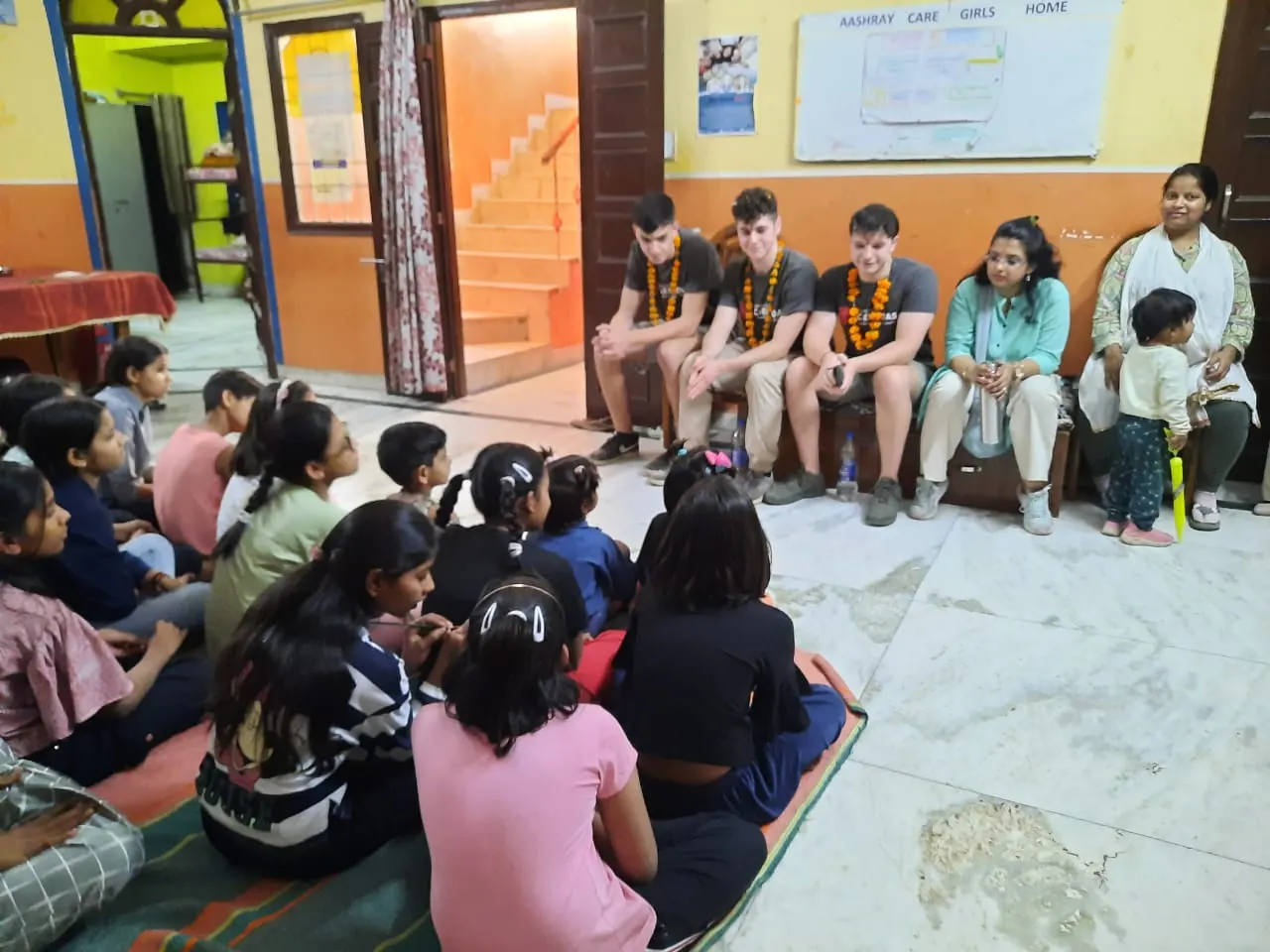
The most popular destinations among young Spaniards
When we think about international volunteering, the destination is also part of the experience. Each country offers a different reality and lets you get to know other cultures, ways of life, and social needs.
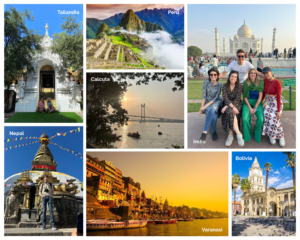
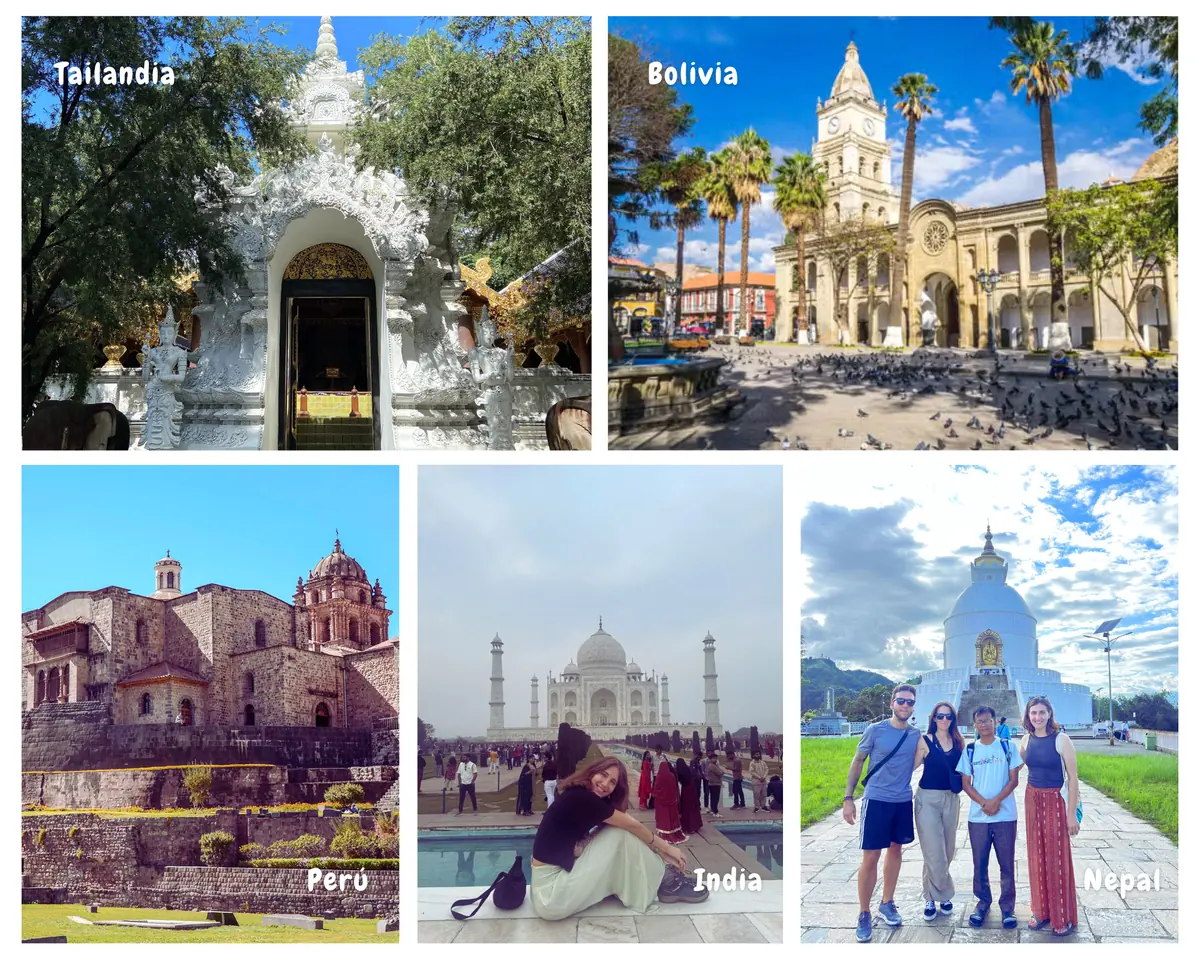
In recent years, India has become one of our young volunteers’ favorite destinations.
India
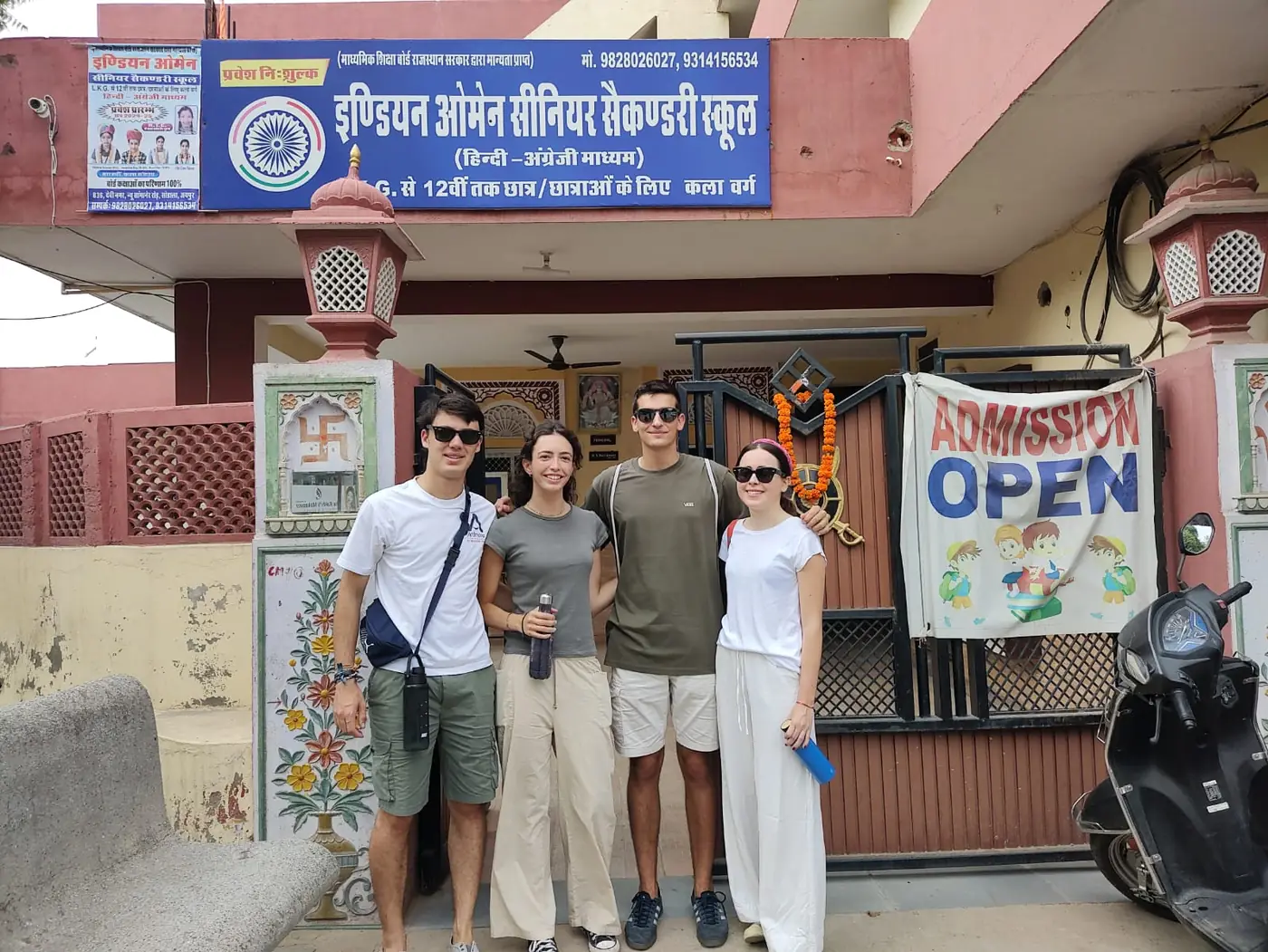
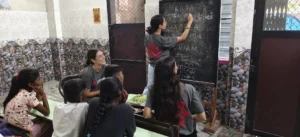
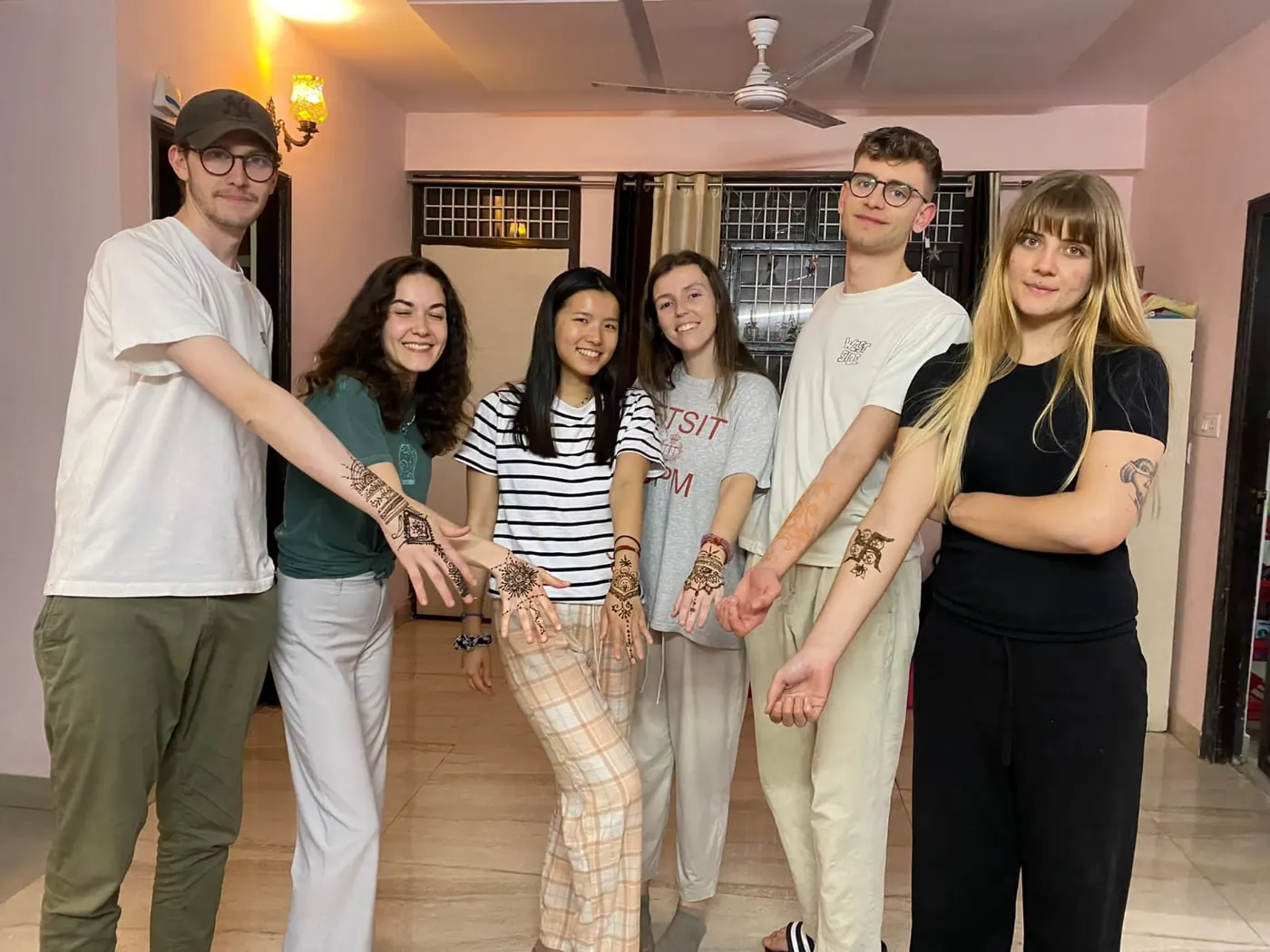
In Jaipur we run several social projects where volunteers can get involved. This program is part of our teaching volunteering in Jaipur, where we work with children from the community at our free school, and where volunteers can take part in different educational and support activities.
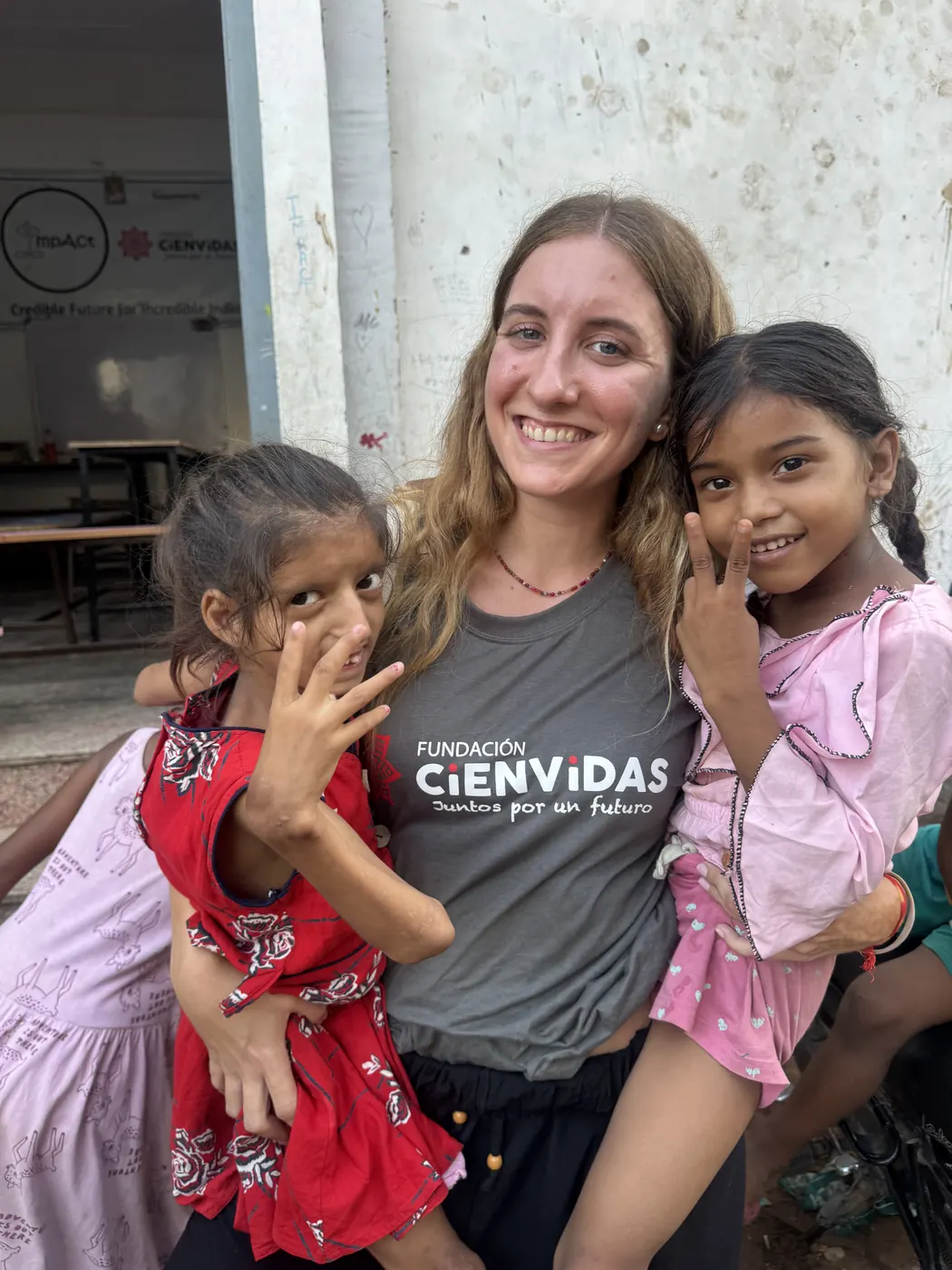
India tends to particularly catch young people’s attention because it’s a destination with a strong cultural contrast. The food, the colours, the sounds, the customs, and the way people relate to each other mean that, from the very first days, the experience feels different from any conventional trip.
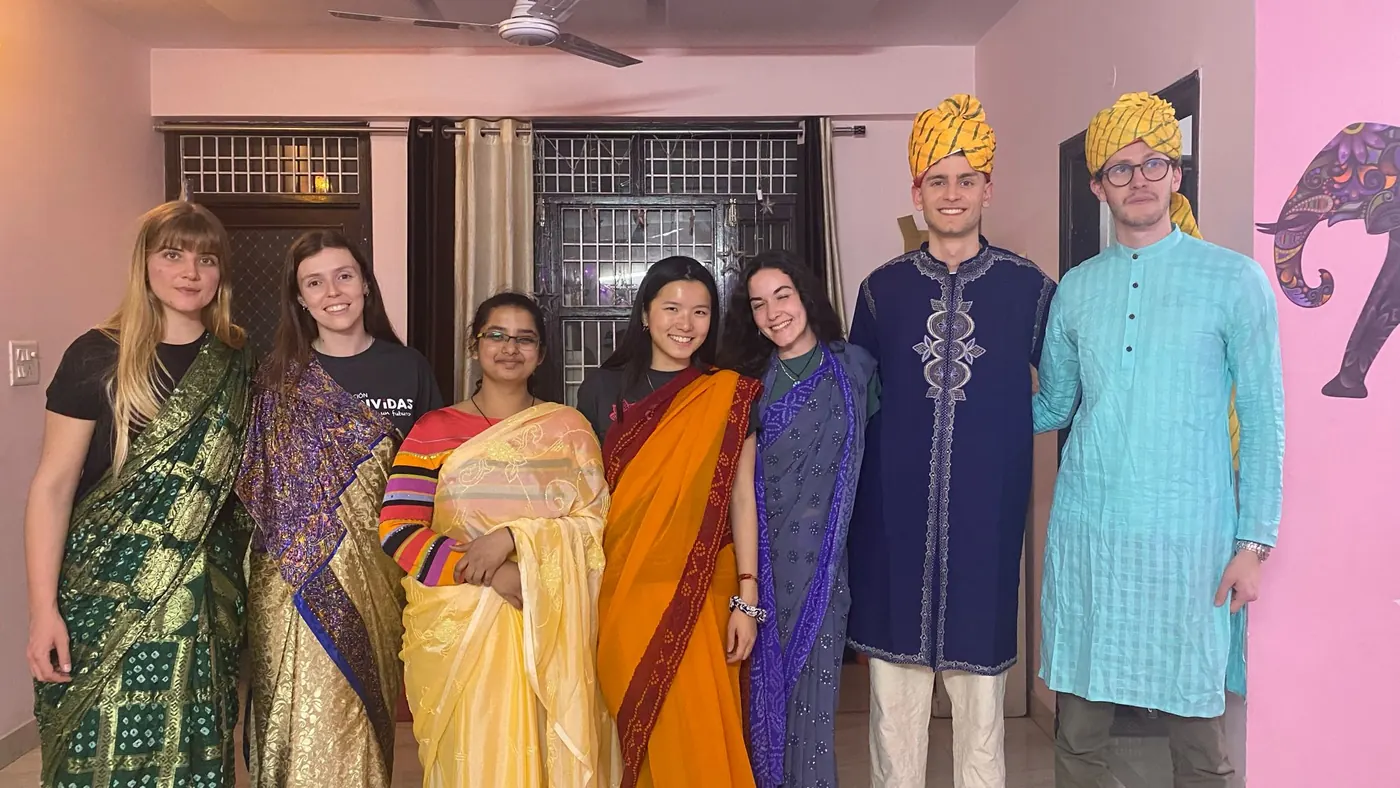
But what many remember after coming home isn’t just the places they visited, but the people they met. If this destination interests you, you can find out all about our volunteering in India.
Nepal
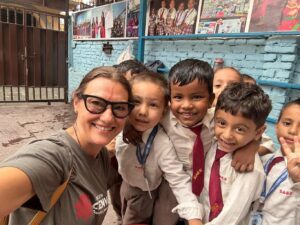
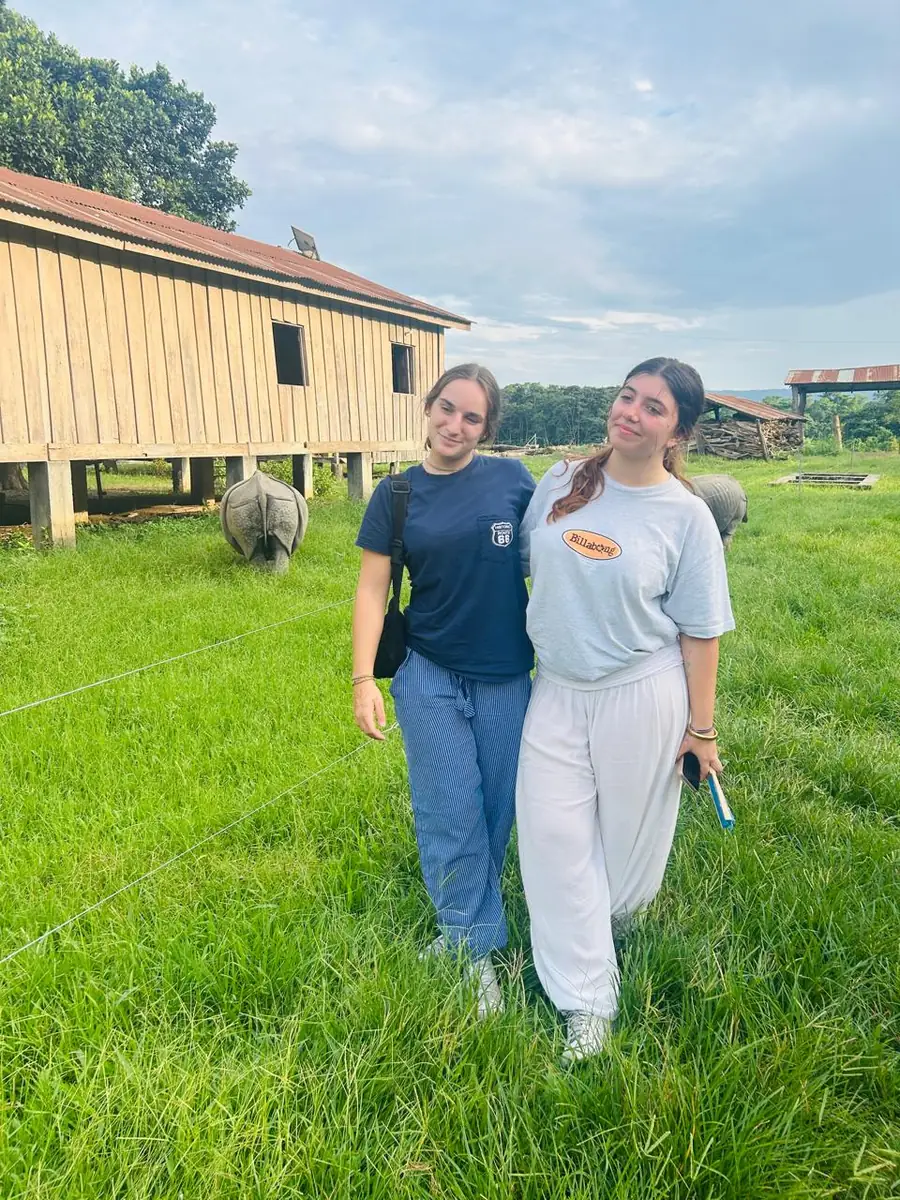
Another destination chosen by our young volunteers is Nepal, where our projects mainly focus on working with children.
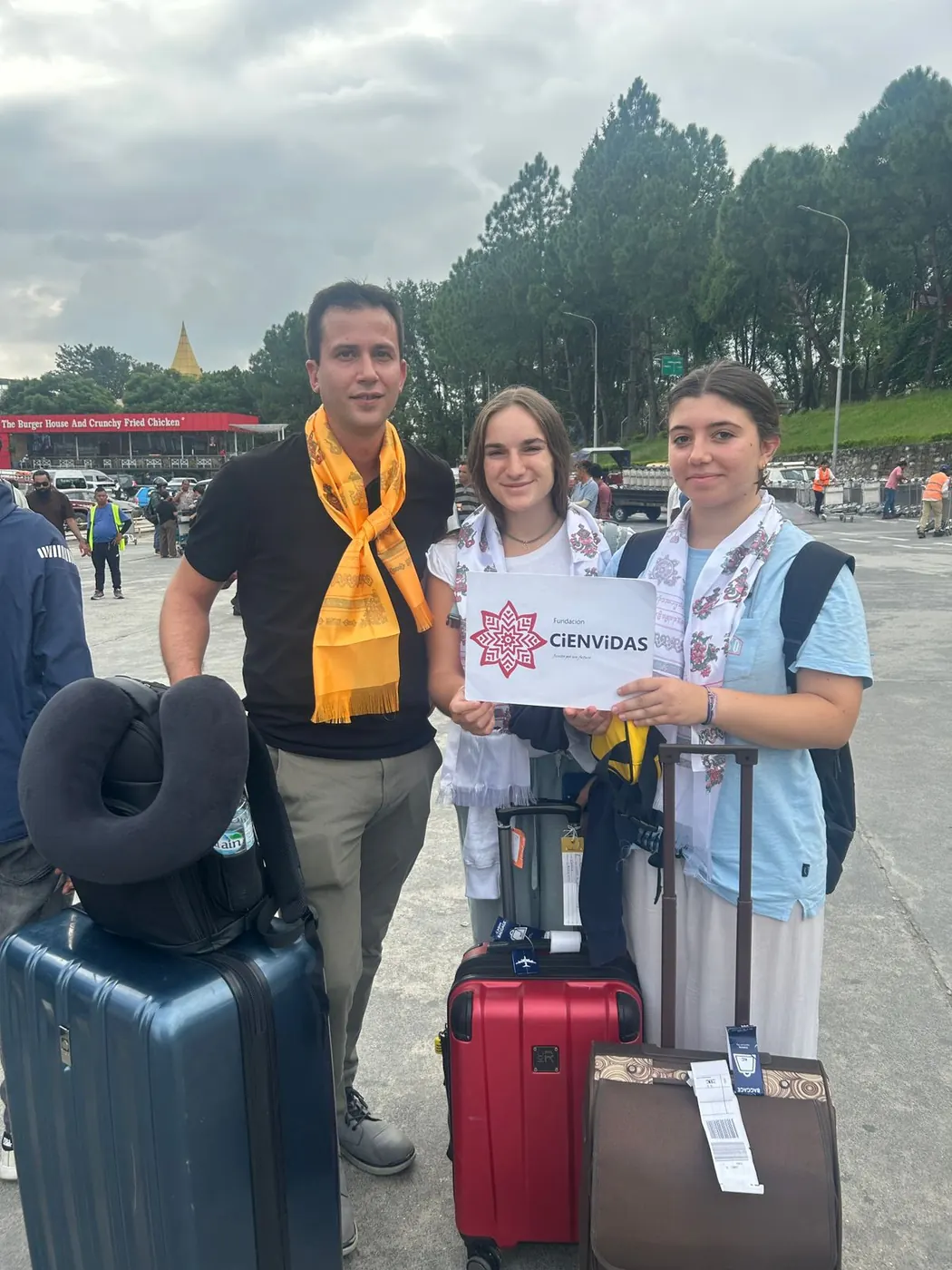
It’s an opportunity to get to know a different culture, work with the community, and experience day-to-day life from a much closer perspective.
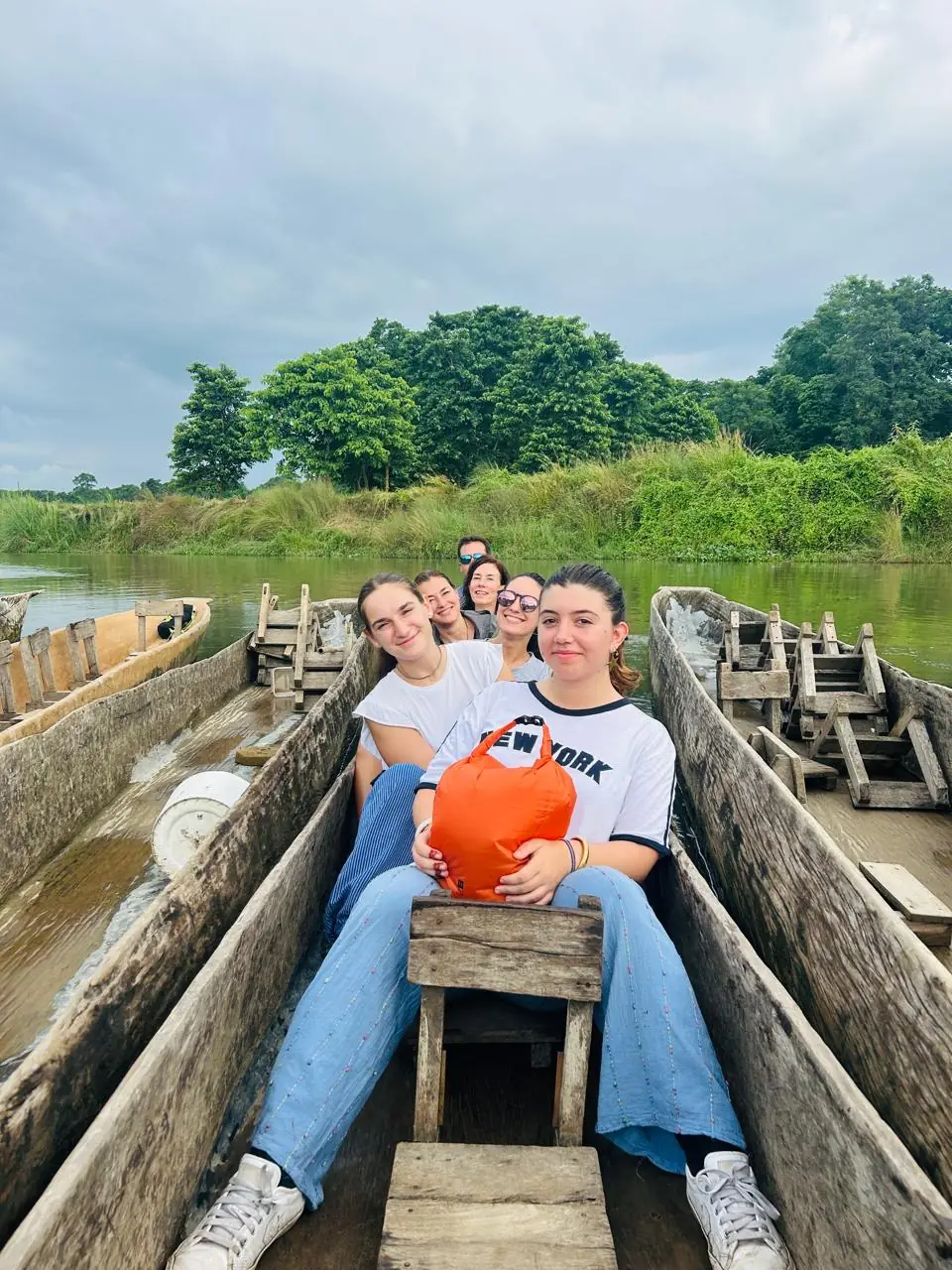
You can find out everything about our volunteering in Nepal in our complete guide.
Bolivia
Bolivia is another one of our volunteering destinations. In Cochabamba we run several social projects where volunteers can get involved with the community.
The experience lets you combine collaboration with getting to know the local reality, and share day-to-day life with the people who are part of the projects. Find out more about our volunteering in Bolivia in the complete Cochabamba guide.
Beyond the country you choose, what matters is finding a program that fits you, your interests, and the kind of collaboration you want to take part in.
How to choose your first volunteering program
If you’ve never done international volunteering before, it’s normal not to know where to start. There are many destinations, projects, and organizations, and choosing the right program can seem complicated.
Before making up your mind, we recommend asking yourself a few questions:
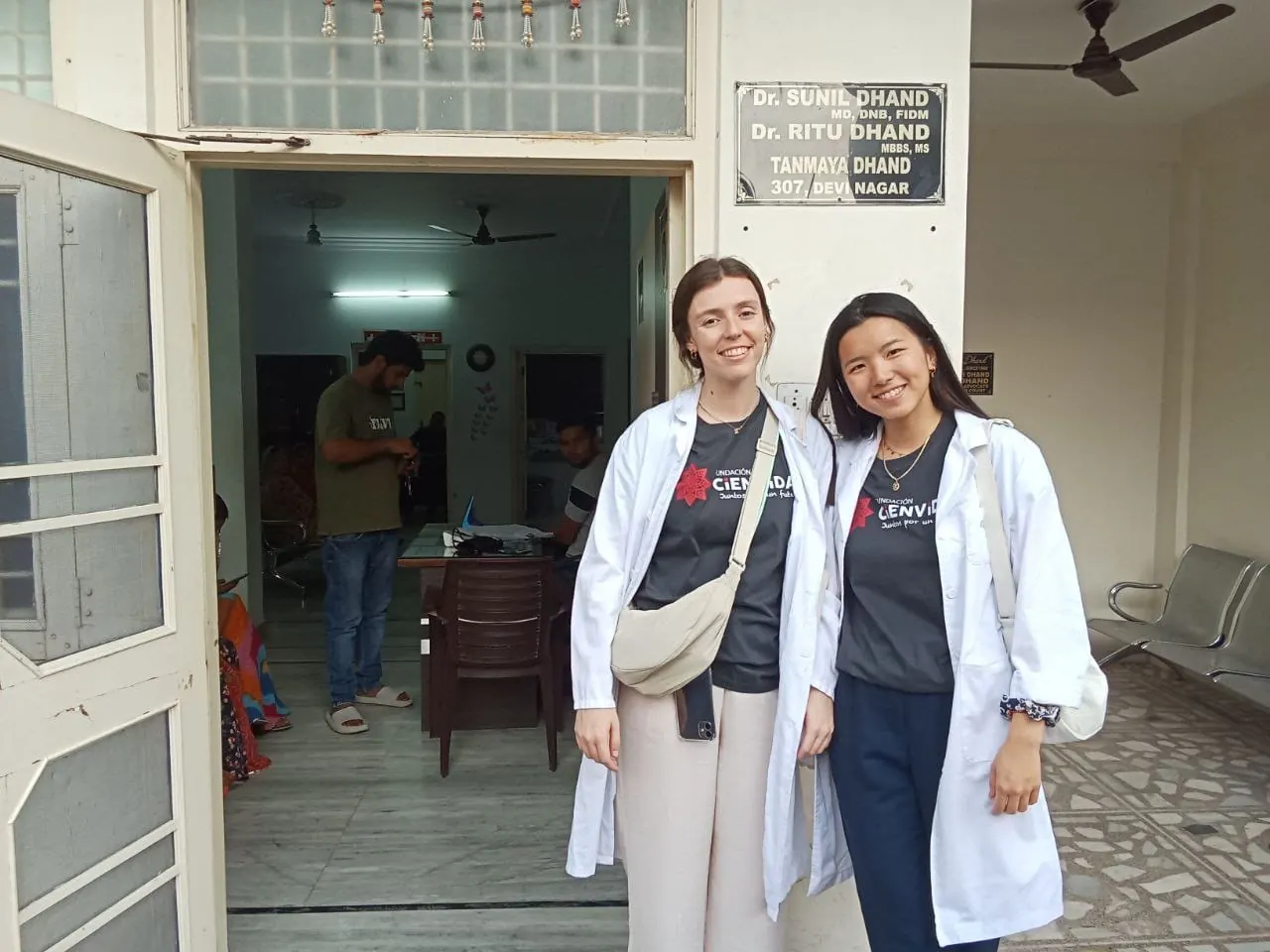
What kind of activity would I like to do?
Education, childhood, community support, health, the environment… Think about what you’d feel comfortable with and what you’d genuinely like to contribute.
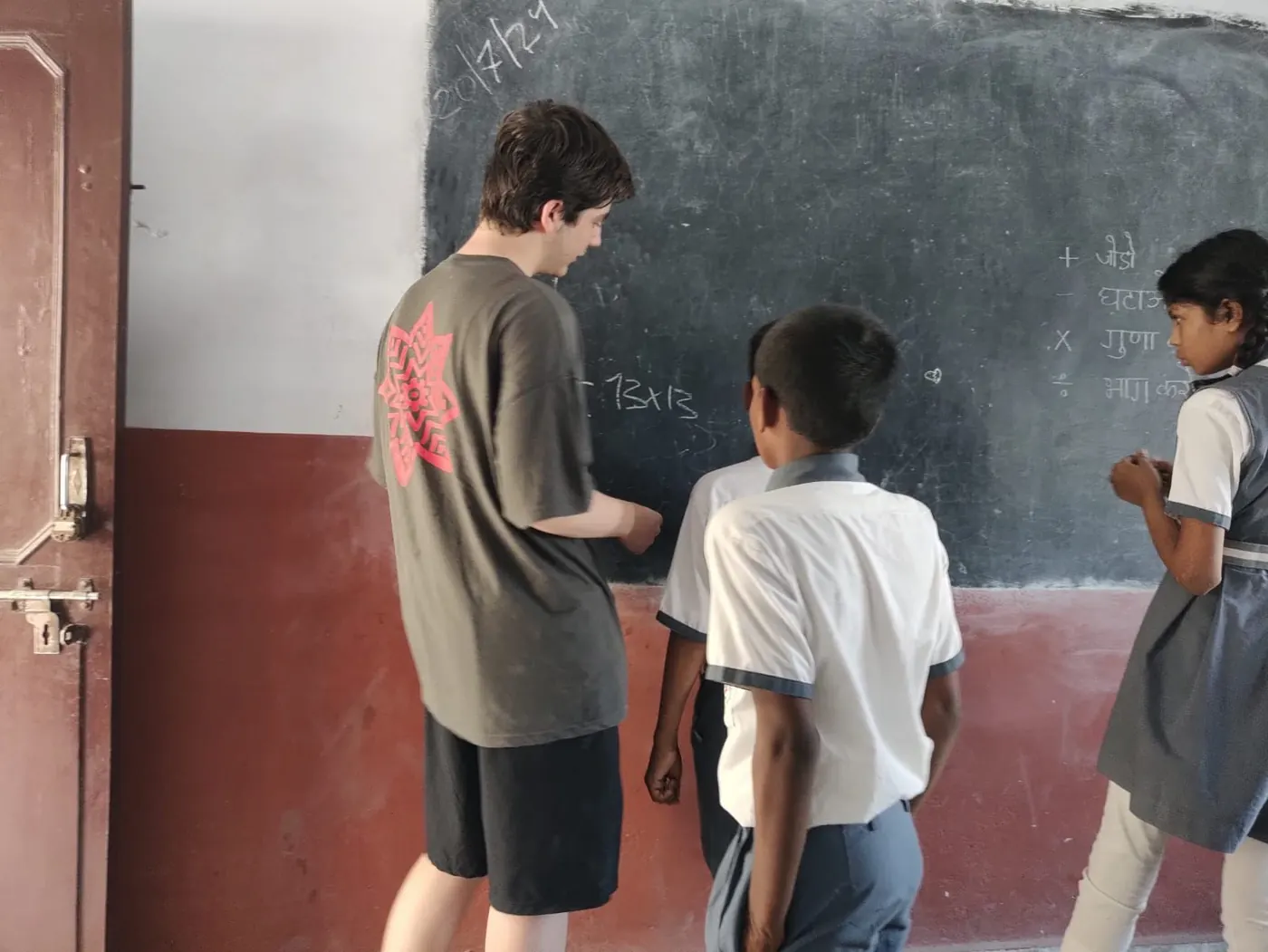
How much time can I dedicate?
You don’t need to be away for several months to have a meaningful experience. There are programs of different lengths, so you can look for one that fits your holidays, your studies, or your job.
Do I want to travel alone or with someone?
Many people do their first volunteering trip alone. Others prefer to do it with friends, a partner, or even family. Both options can make for a great experience.
What kind of organization am I looking for?
It’s important to know how the program works, who will welcome you when you arrive, what support you’ll have during your stay, and what your tasks will be.
And above all, don’t be afraid to ask. Resolving your doubts before you travel will help you arrive feeling calmer and with more realistic expectations.
Common fears before taking the leap
Thinking about doing international volunteering can bring a lot of excitement, but also some doubts. And that’s completely normal, especially if it’s your first time travelling to another country to work on a social project.
“What if I travel alone?”
This is probably one of the most common thoughts among those considering their first volunteering trip.
Travelling alone can feel daunting, but it can also become one of the best opportunities to gain independence and meet people you probably would never have met otherwise.
What’s more, doing an organized volunteering program means you don’t have to face the whole experience on your own. At CiENViDAS our programs include coordinators who accompany you and are available throughout your stay to guide and help you whenever you need it.
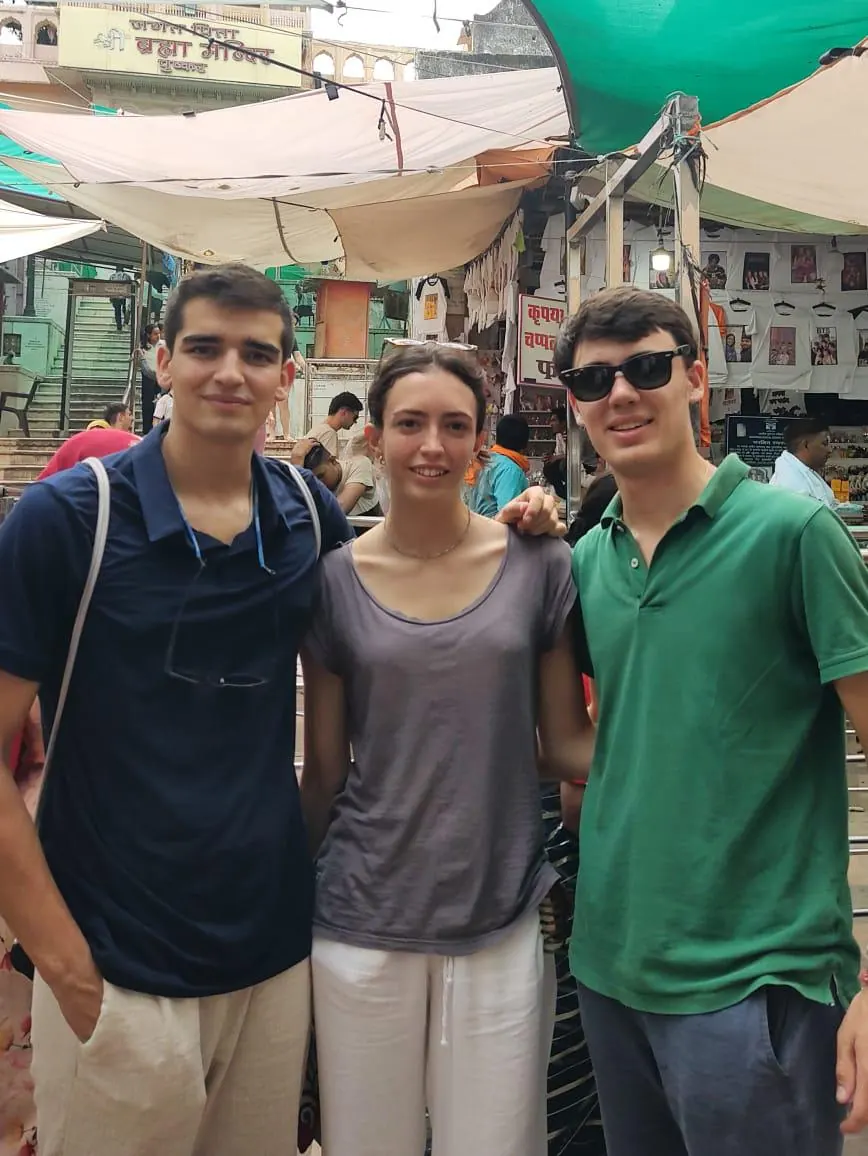
And what often happens is that you arrive thinking you’ll be on your own, and end up sharing much of the experience with other volunteers, coordinators, and people from the community.
“What if I don’t adapt?”
Changing countries means stepping out of your routine. The food may be different, the schedules may not match what you’re used to, you may have to communicate in another language, or some customs may surprise you.
The first few days may require an adjustment period, and it’s normal to feel a little out of place.
But adapting is also part of the learning process. Little by little you start recognizing the streets, getting familiar with the project, getting to know people, and feeling more at home in your new surroundings.
“What if I don’t know enough to help?”
Another common concern is thinking you need a specific profession, previous experience, or specialized knowledge to be able to volunteer.
The reality is that each project needs different kinds of profiles. In many cases, what matters most is having commitment, initiative, empathy, and a willingness to help.
It’s not about arriving thinking you have all the answers, but about being willing to learn and to contribute whatever you can offer.
“What if the experience isn’t what I imagine?”
When we see photos or videos from other volunteers, it’s easy to imagine what our own experience will be like. However, every person experiences volunteering differently.
There can be incredible moments, and also moments of tiredness, adjustment, or uncertainty. And that’s also part of travelling and living alongside a different reality.
That’s why it’s important to travel with an open mind and realistic expectations. You’re not going on a conventional holiday: you’re going to be part of a project, get to know another culture, and face new situations.
And that may be precisely where some of the most enriching parts of the experience lie.
I’m afraid to leave my comfort zone
This one might be the hardest fear to put into words.
Because leaving your comfort zone means doing something you don’t fully control. Travelling far, meeting new people, getting by in a different environment, and facing unfamiliar situations can be daunting.
But often, once we’re back in a familiar place, we realize that what scared us most turned out to be exactly what made us grow the most.
You don’t need to feel 100% ready to volunteer. Sometimes all you need is to feel like you want to try.
What volunteering with CiENViDAS is really like
Every volunteering experience is different, because every person arrives with their own story, their own expectations, and their own way of living the experience.
But there’s something that comes up again and again among our volunteers: they come home with a different outlook and memories that go far beyond the project itself.
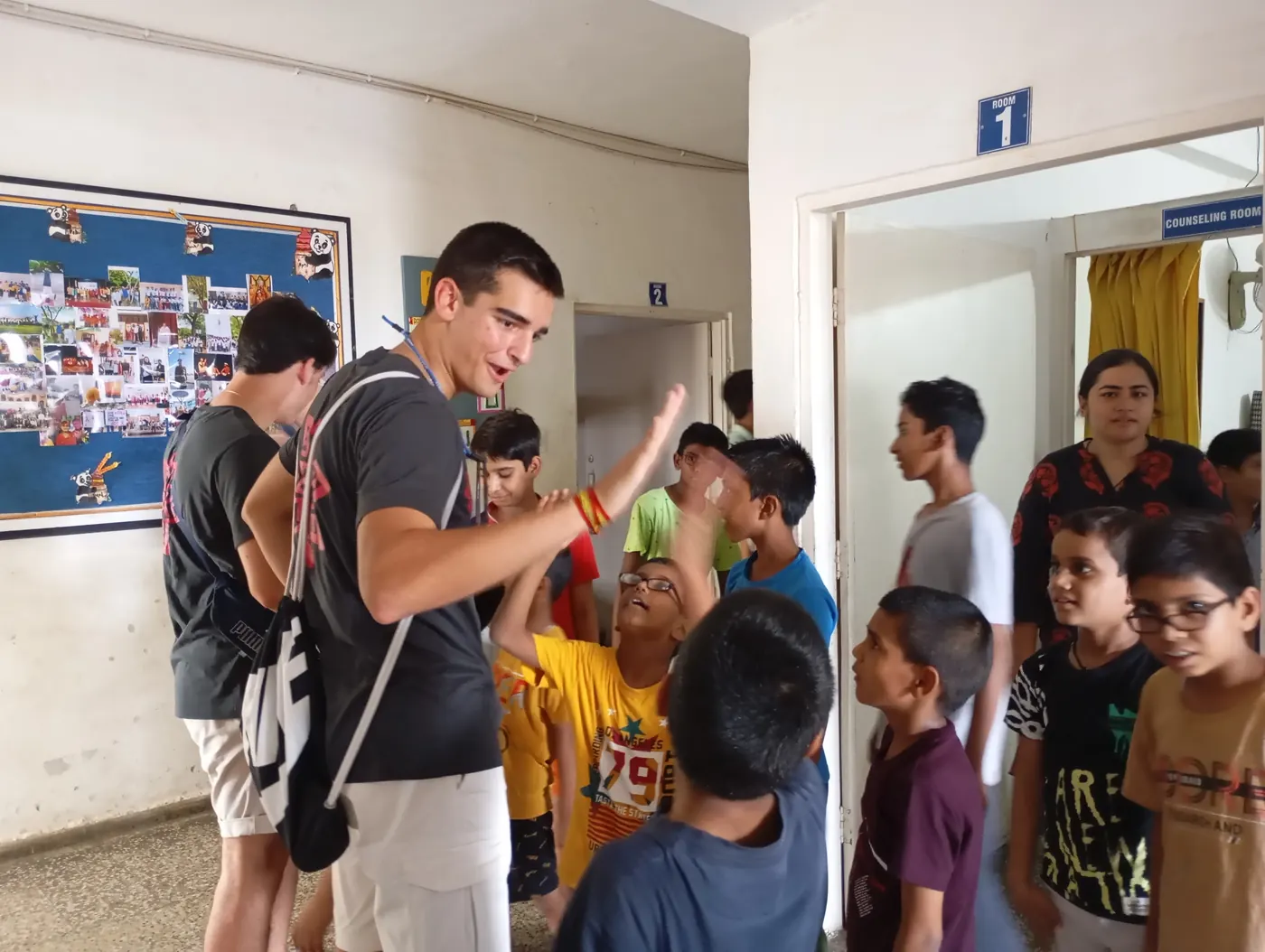
During their stay, they don’t only take part in our projects. They also get to know the people who make up the communities, discover new customs, try different foods, share time with other volunteers, and, little by little, start to feel part of the place.
The relationship with the people who welcome them is one of the things volunteers highlight most. The kindness of the communities, the affection of the children, and the small everyday moments end up becoming some of their most special memories.
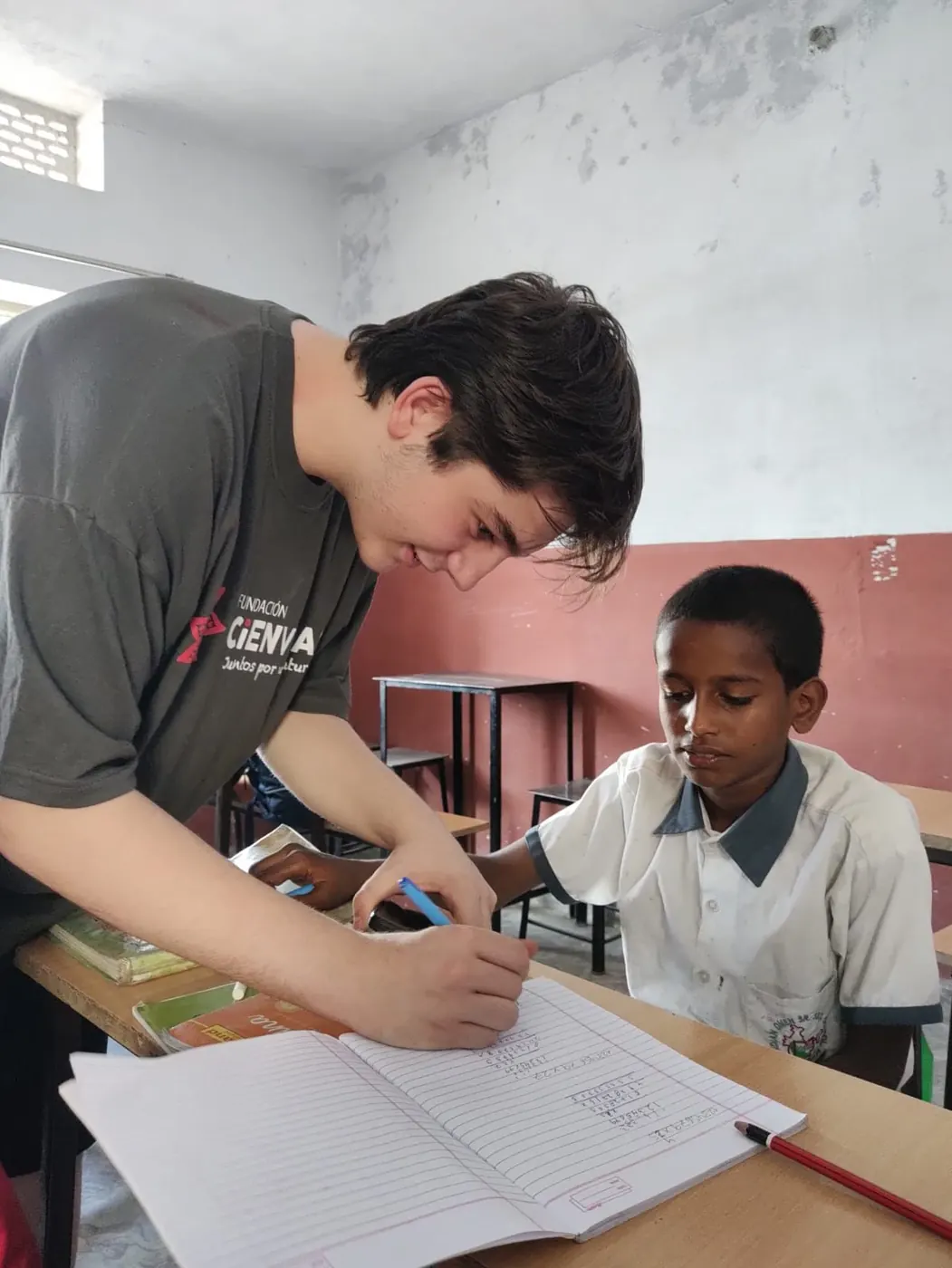
And we don’t just want to tell you ourselves. We’d rather let our own volunteers tell you how they experienced it.
One of our volunteers, who travelled to have her experience, told us:
“Everything went great, I didn’t feel alone at all, I felt really looked after, and it’s been such a rewarding experience. Thank you so much!”
Her testimonial reflects something many people discover once they take the step: travelling alone doesn’t mean living the experience alone.
Another volunteer told us what her first days were like:
“Honestly, the first week of adjusting was intense. People are so kind, and at the orphanage they take great care of me.”
But her experience went far beyond the project’s activities. This kind of bond is common at our Aashray orphanage, and little by little she started connecting with people in the community and living everyday moments she wouldn’t have experienced as a tourist.
She was even invited to celebrate a local couple’s wedding anniversary:
“A married couple invited us all to a rooftop for their anniversary celebration, and I got invited to go with them too. It was honestly so cool!”
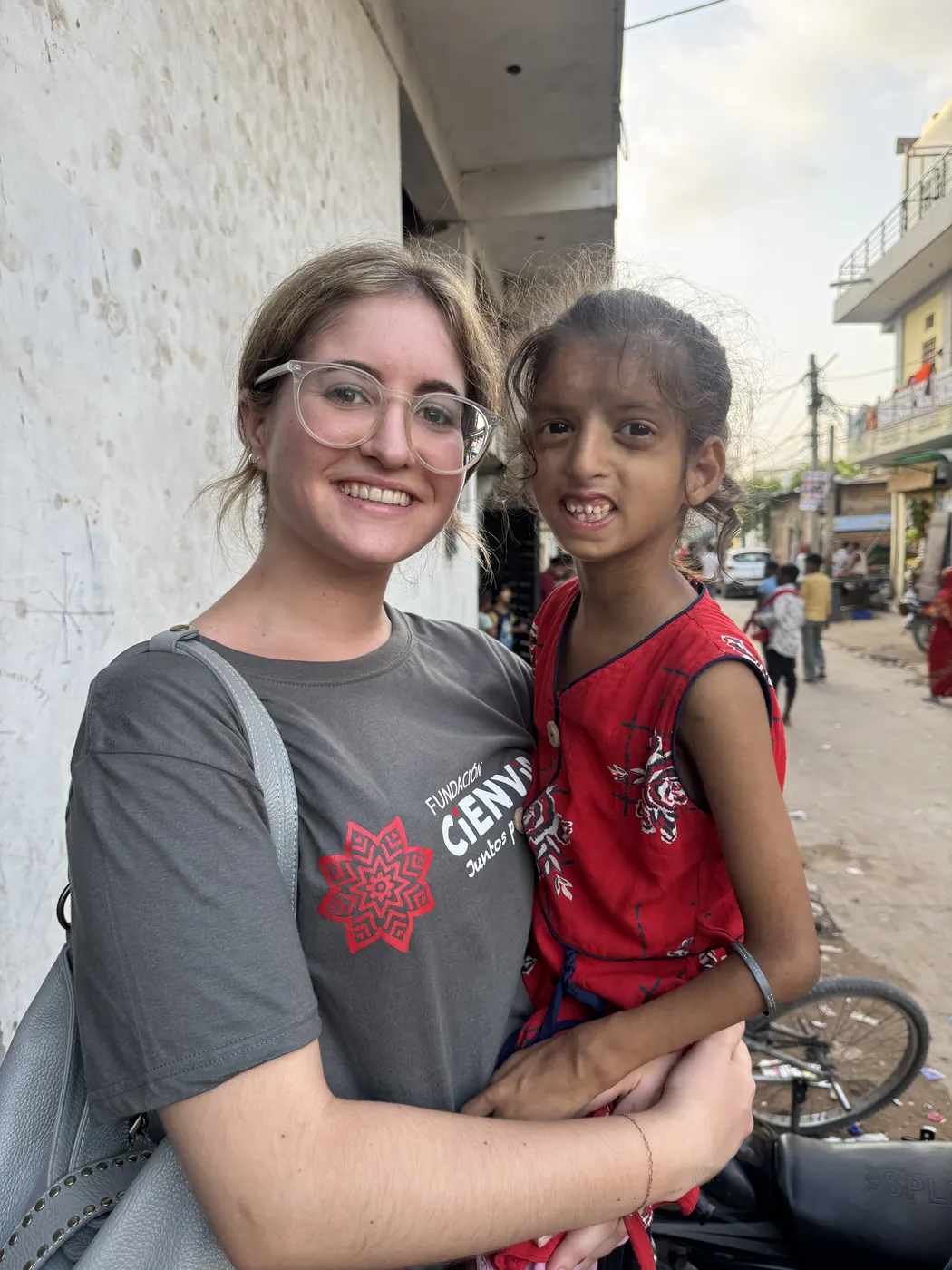
And one of the things she valued most was the bond she built with the girls at the orphanage:
“I talk a lot with the older girls, I love that they tell me about their day, about their lives, they’re always looking out for me. I’m really happy, enjoying this experience a lot and living a lot of local life.”
That’s exactly what volunteering is about: living local life, meeting people, and letting the destination get to know you too.
That’s why, when our volunteers come home, they often talk to us about the children, the people they met, the conversations, the friendships, and those small moments that never made it onto any travel itinerary.
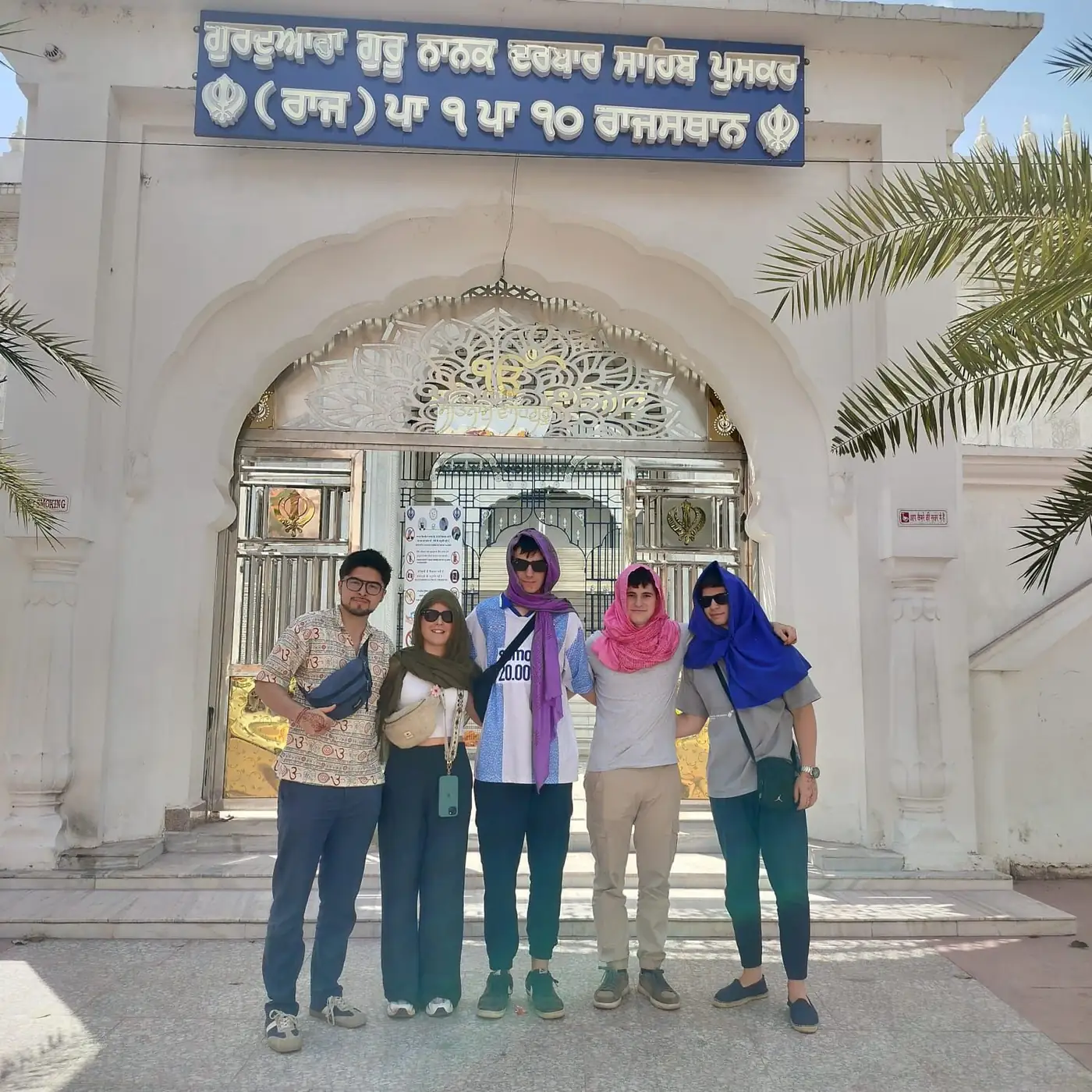
The experience can start with a suitcase, a few doubts, and a strong wish to help. But it ends up leaving you with something that doesn’t fit inside it: a new way of looking at the world.
And maybe that’s one of the reasons why so many young people who volunteer with us come home happy about having decided to step out of their comfort zone.
You don’t know exactly what your experience will be like until you live it. But you can decide whether you dare to live it.
New destination: discover Hands That Unite, our volunteer program in Morocco, combining educational activities and community life in Kasr Tarda.